-
Exploring the Animal Market in Kashgar: A Feast for the Senses
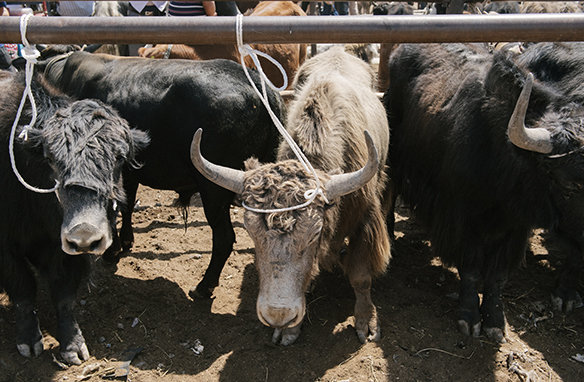
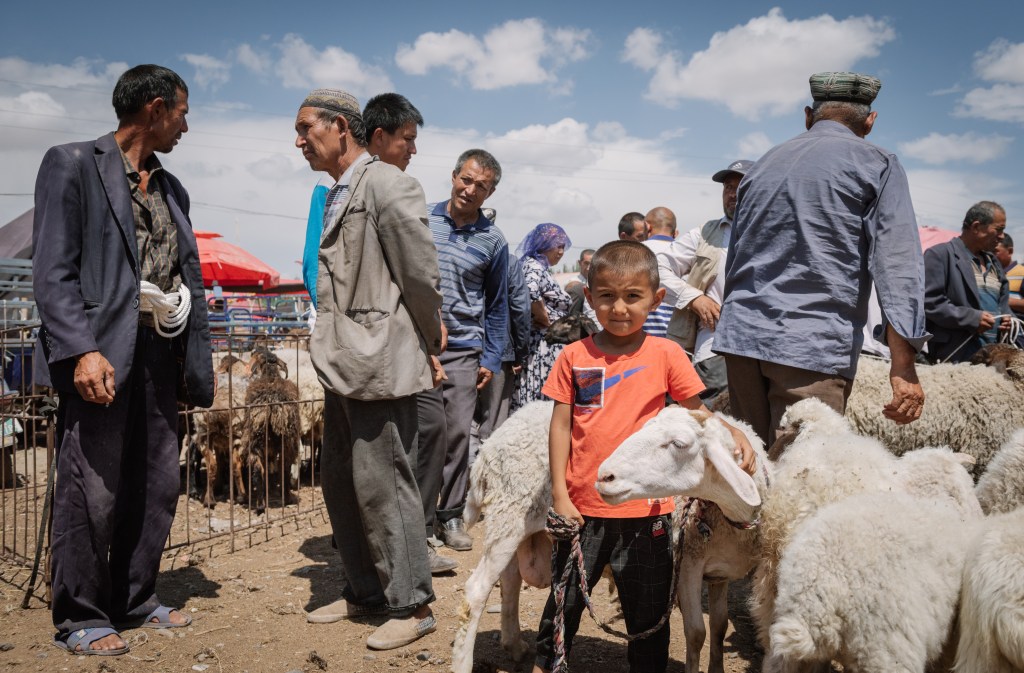
As a traveler who loves to experience local cultures and customs, I decided to visit the animal market in Kashgar, located some 20 kilometers outside of the city. Armed with my camera, I arrived at the market early in the morning, eager to document the bustling activity and unique atmosphere of this cultural landmark.
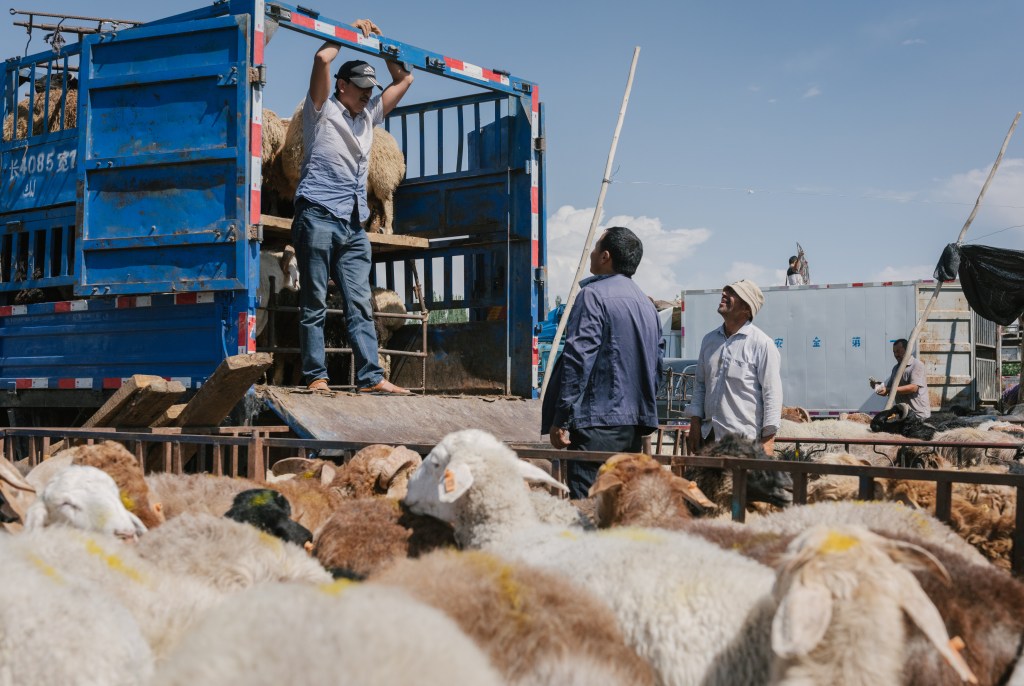

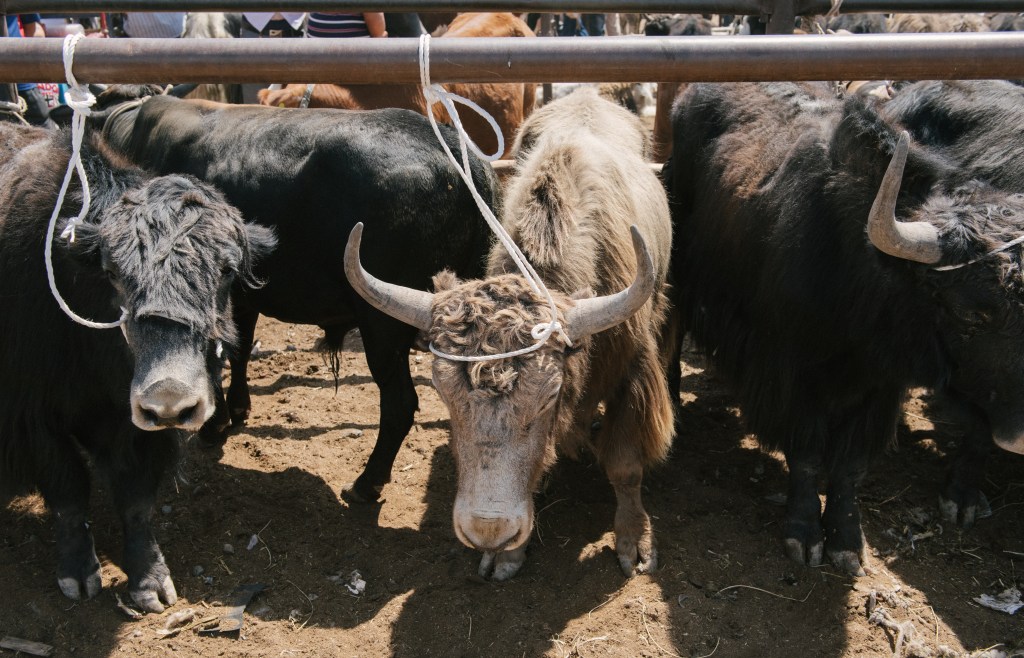
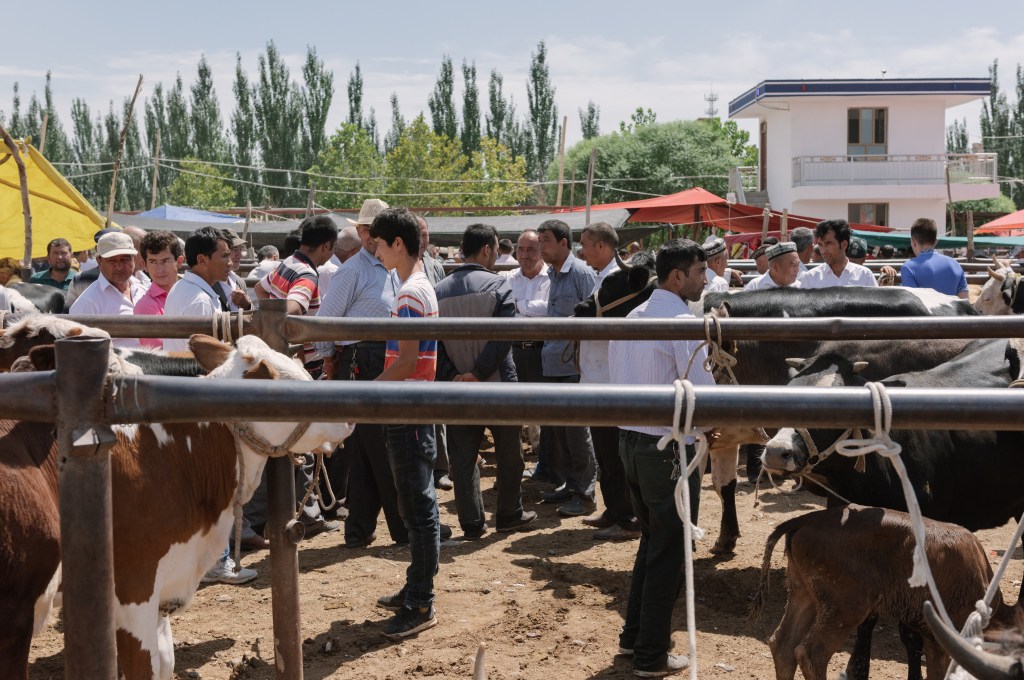
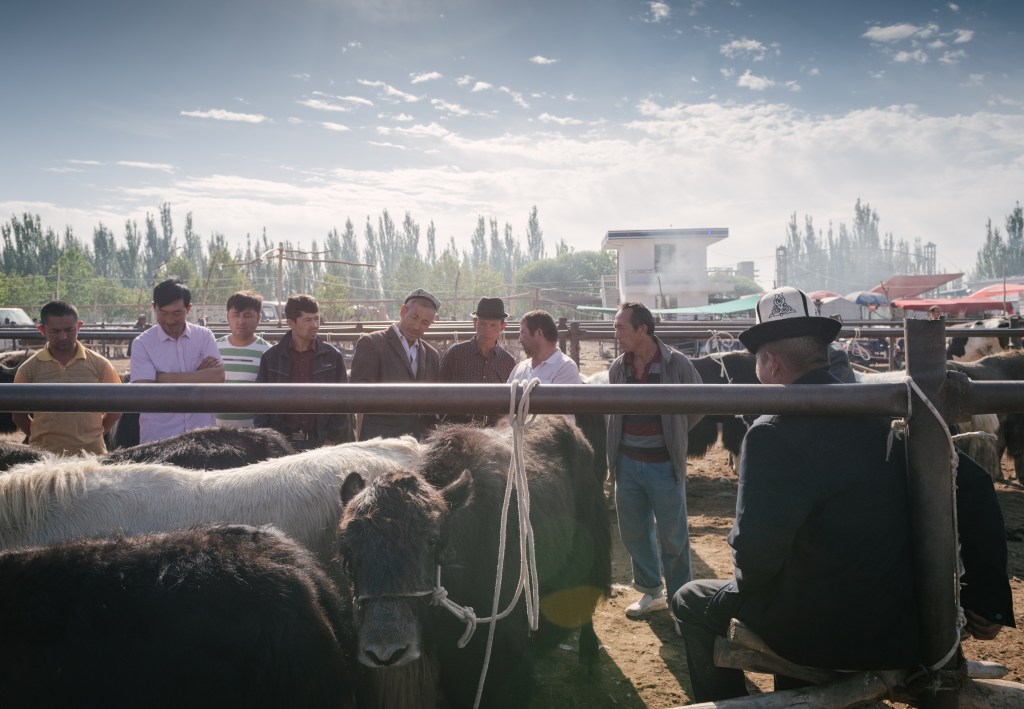
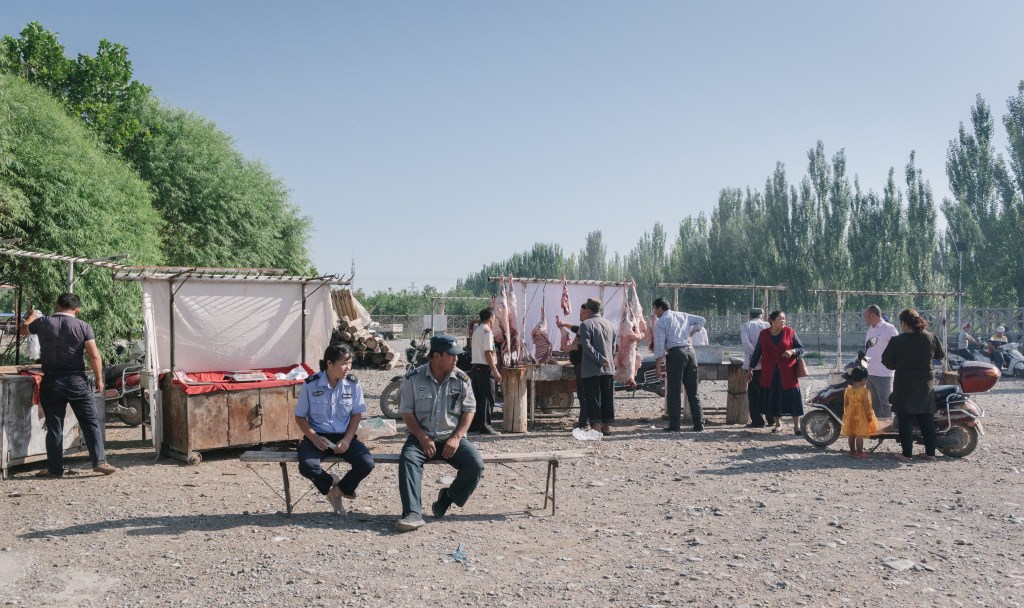
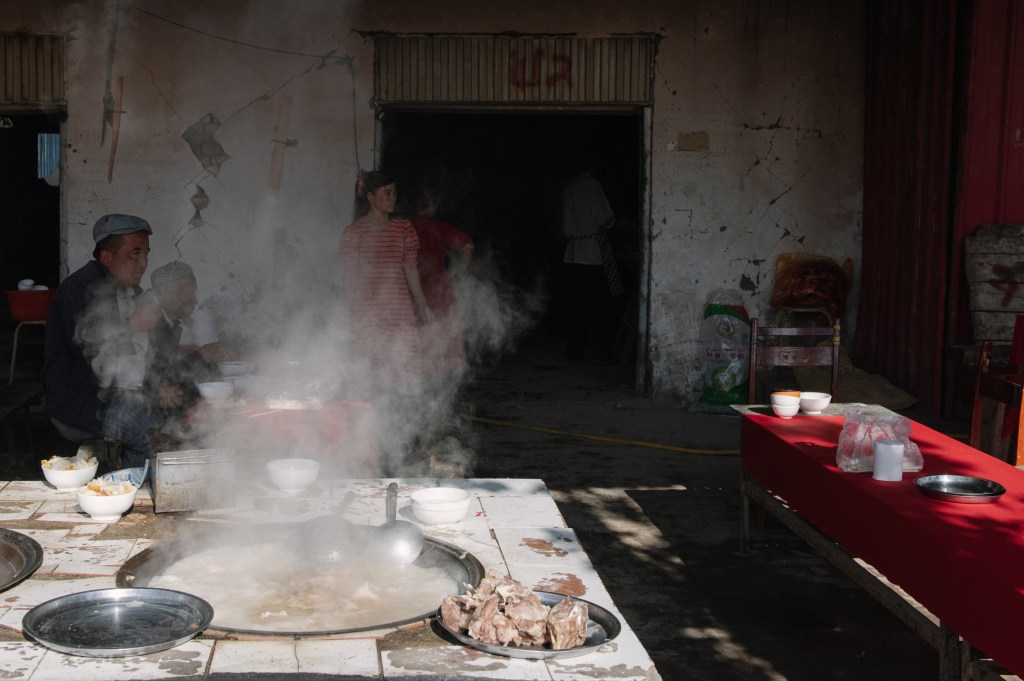
As I approached the market, the first thing that struck me was the sound of animals. The market was teeming with various livestock, including sheep, goats, cows, and camels, all bleating and mooing loudly. The air was filled with the pungent smell of animals, mixed with the scent of freshly roasted meat and steaming meat soups.
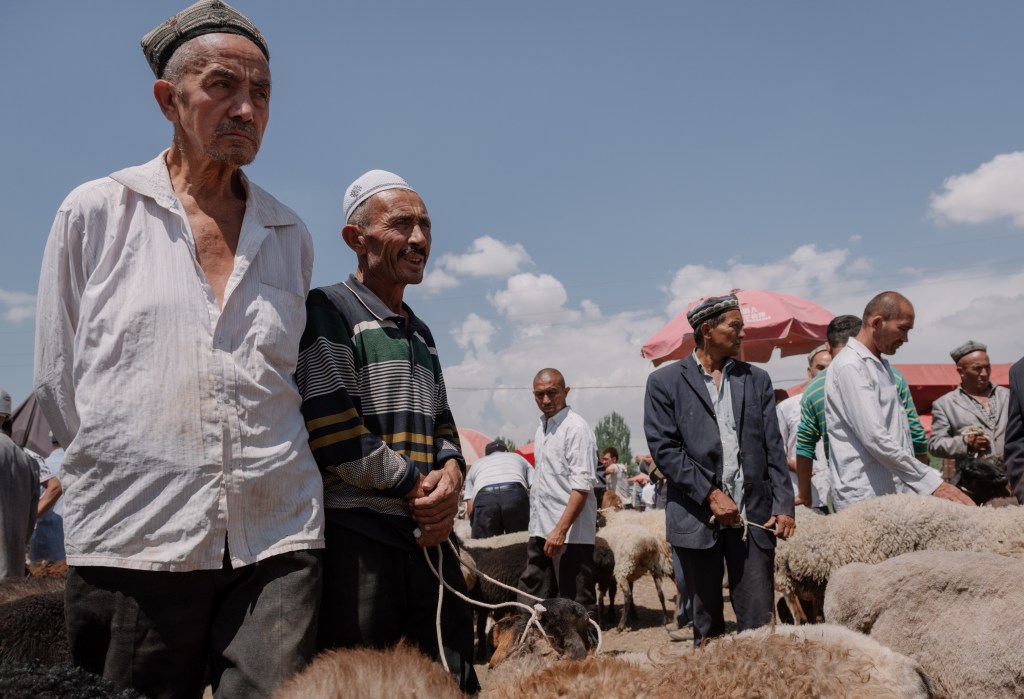
The animal market is a fascinating destination for travellers seeking to immerse themselves in the local culture and witness the centuries-old tradition of animal trading. Farmers and herders from all over the region gather at the market to buy and sell livestock, negotiate prices, and exchange knowledge and tips.


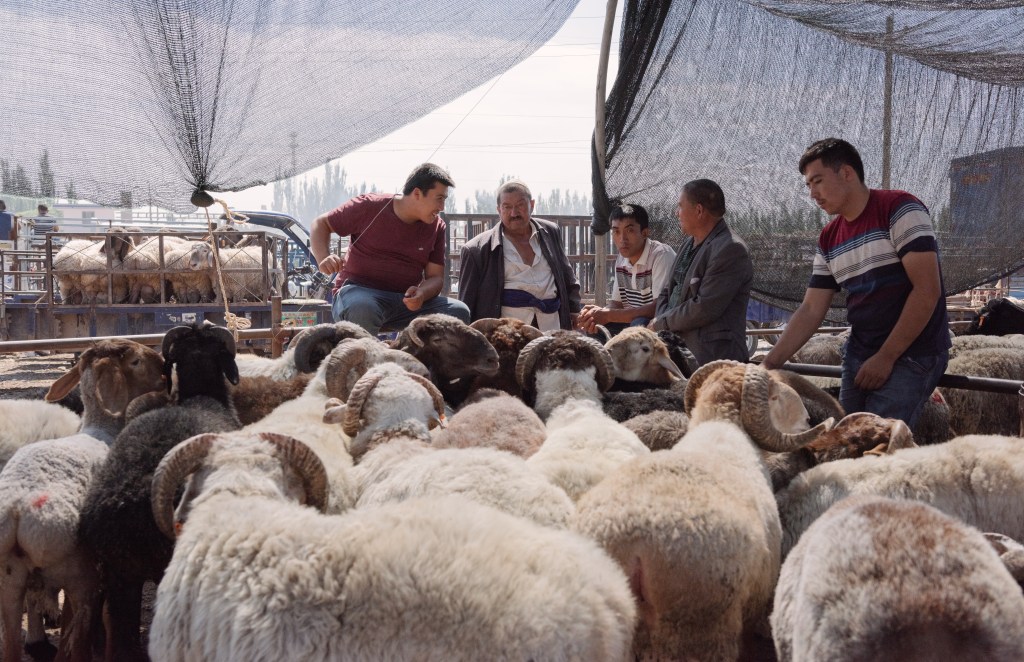
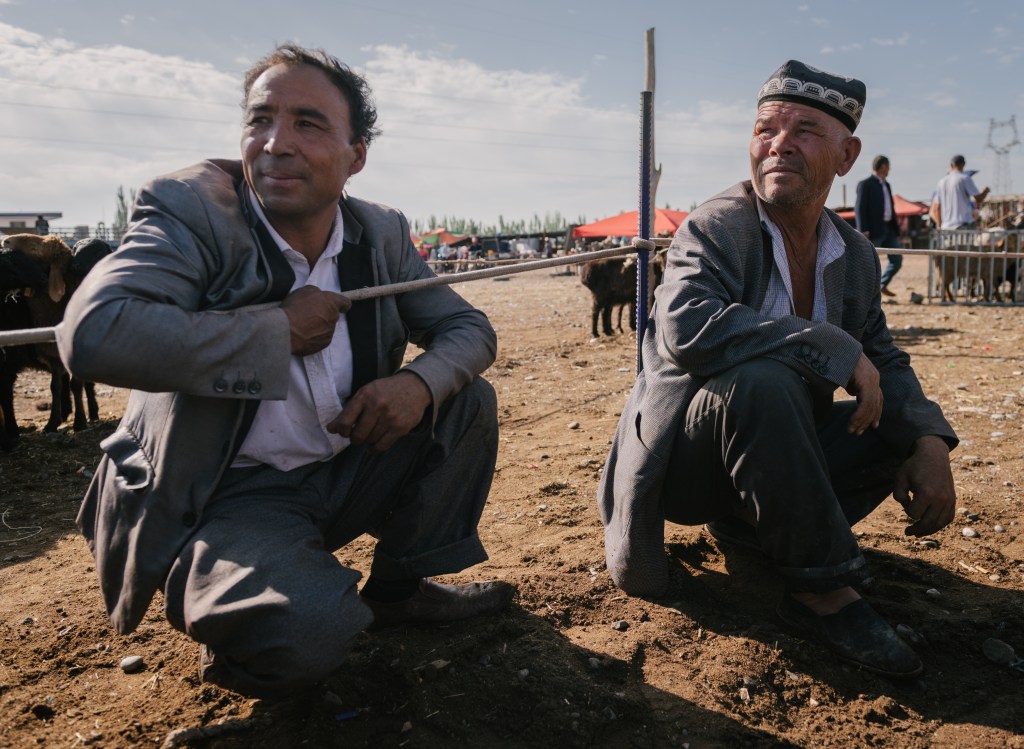
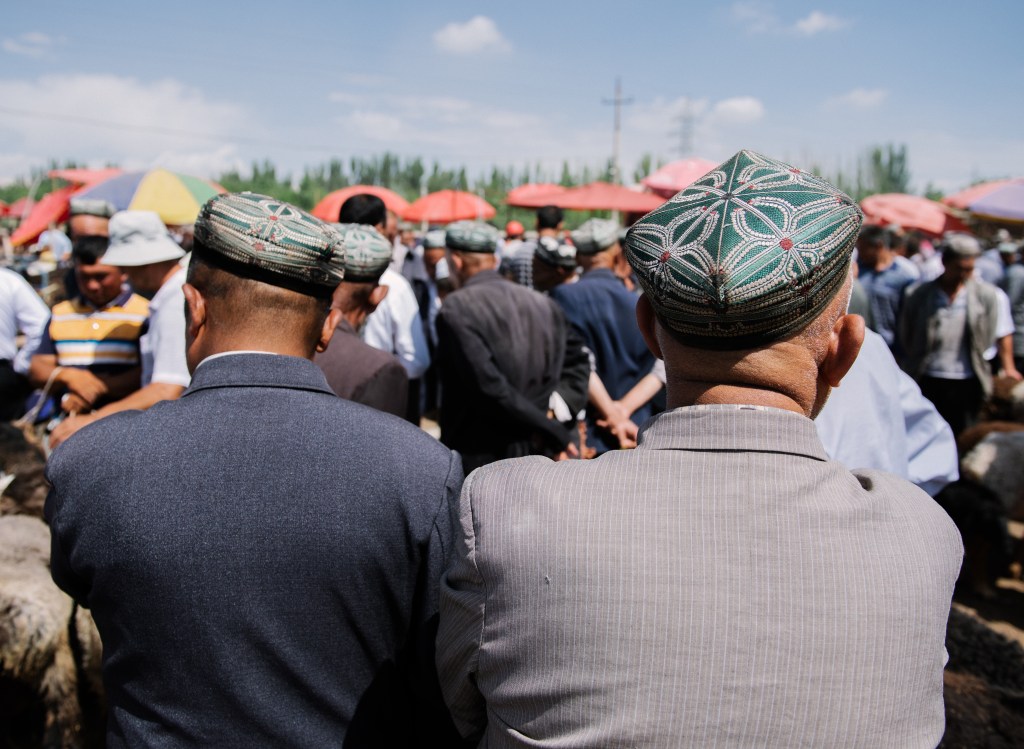
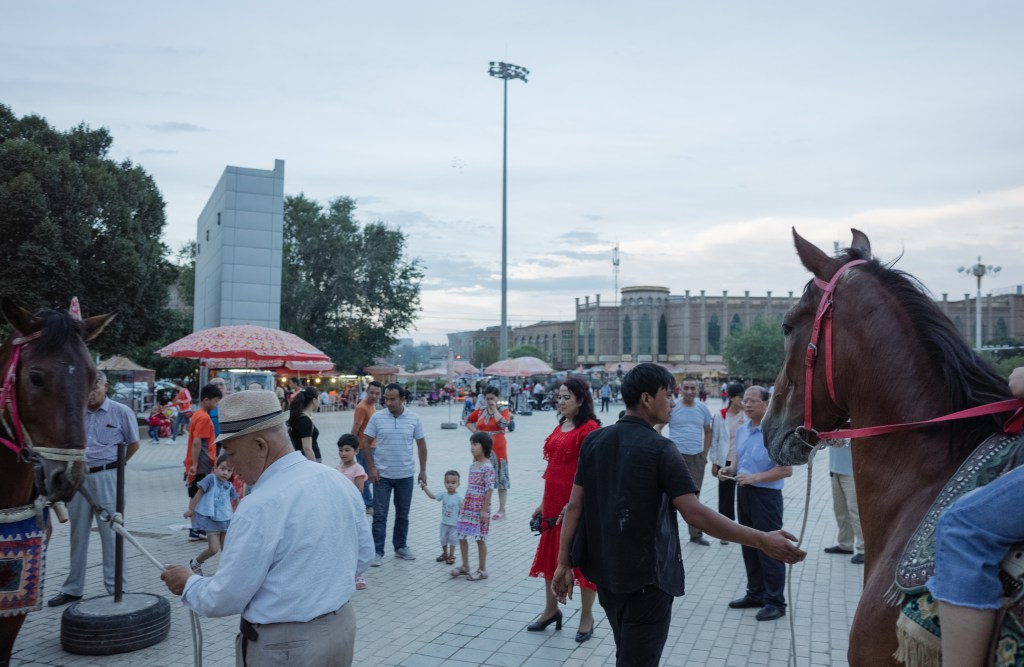
As I explored the market, I saw farmers of all ages coming and going, leading their animals on ropes or pushing them in carts. Some were dressed in traditional clothing, adding to the colorful and vibrant atmosphere of the market. The farmers were busy negotiating prices with buyers, haggling over every detail, from the animal’s age and weight to its health and breeding.
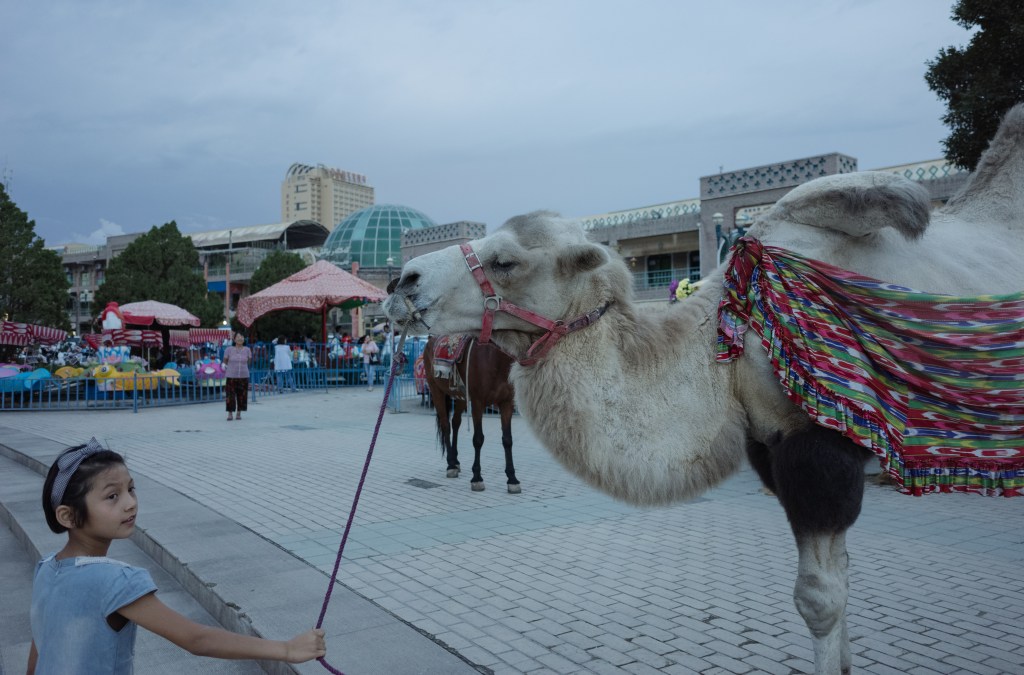
One of the most interesting things about the animal market is the variety of animals on offer. I saw everything from small goats to large camels, each with its own unique character and temperament. Some animals were shy and hesitant, while others were bold and adventurous, making the market a fascinating and dynamic place to observe.



Apart from the trading of livestock, the animal market also offers an opportunity to sample fresh meat and meat soups. The market is lined with vendors selling grilled meats, roasted lamb, and meat soups, providing a unique culinary experience for adventurous travellers.

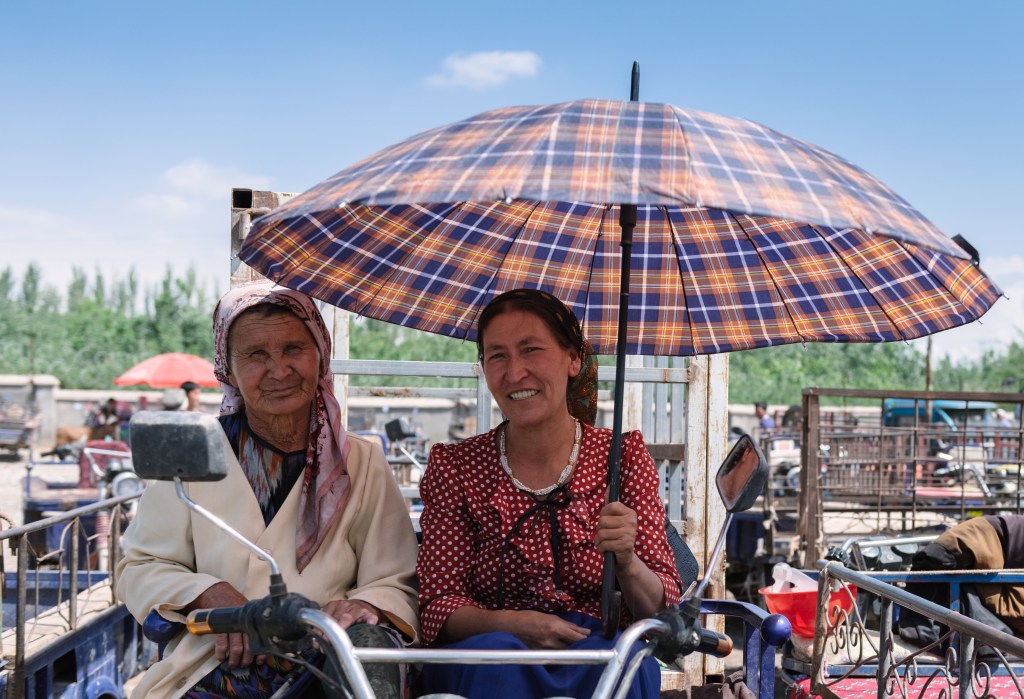
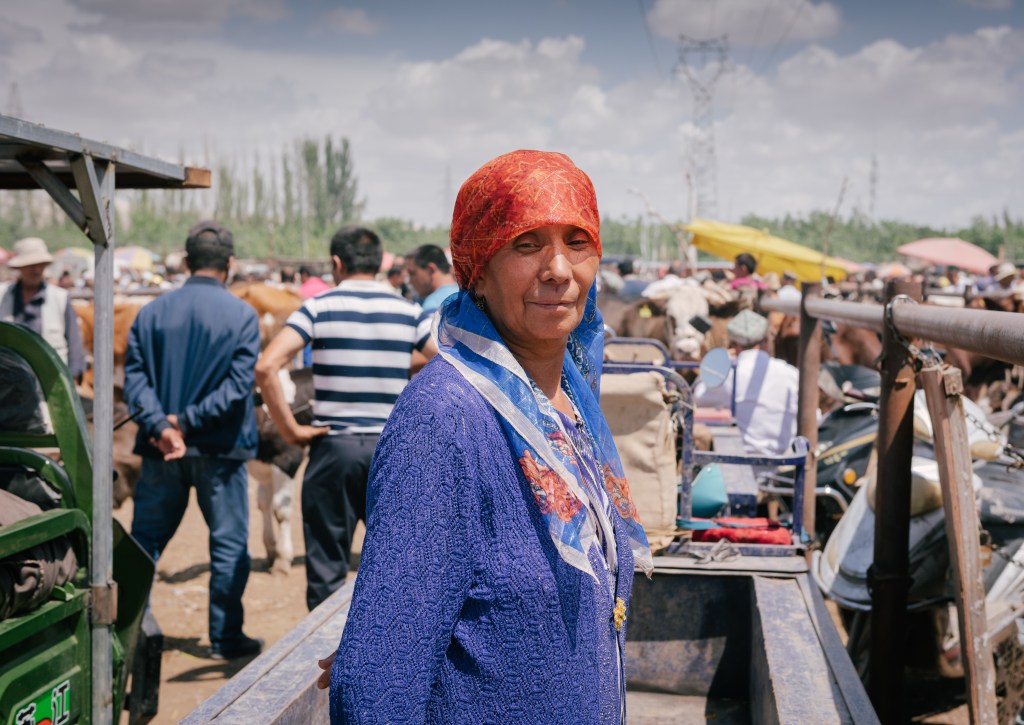

Overall, my visit to the animal market in Kashgar was a feast for the senses. The sights, sounds, and smells of the market were unforgettable, and I left with a deeper appreciation of the local culture and traditions. If you’re a traveler looking to experience the unique charm of Kashgar, a visit to the animal market is a must-do activity.
-
Xi’an – Where Ancient History Meets Modern Vibes
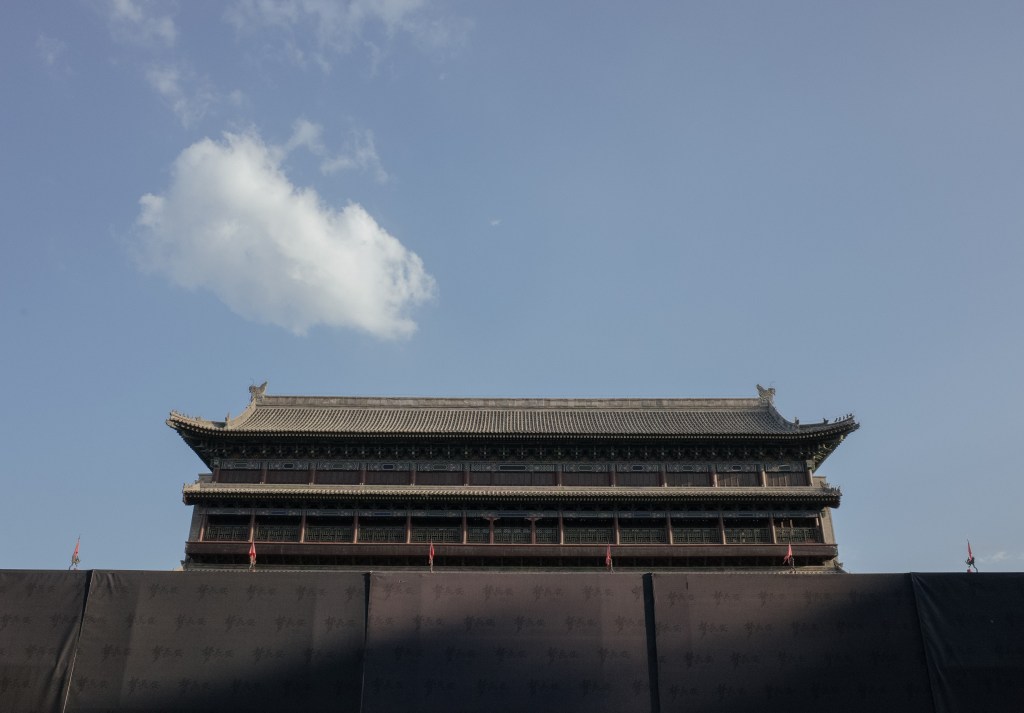
Xi’an was one of the destinations on my China journey that completely surprised me. Before arriving, I knew only the basics: that it once served as the capital for ancient Chinese dynasties and was the eastern terminus of the Silk Road. What I didn’t expect was how alive history would feel here — because in Xi’an, the past isn’t locked in a museum, it’s part of everyday life.
A Journey into China’s Ancient Heart
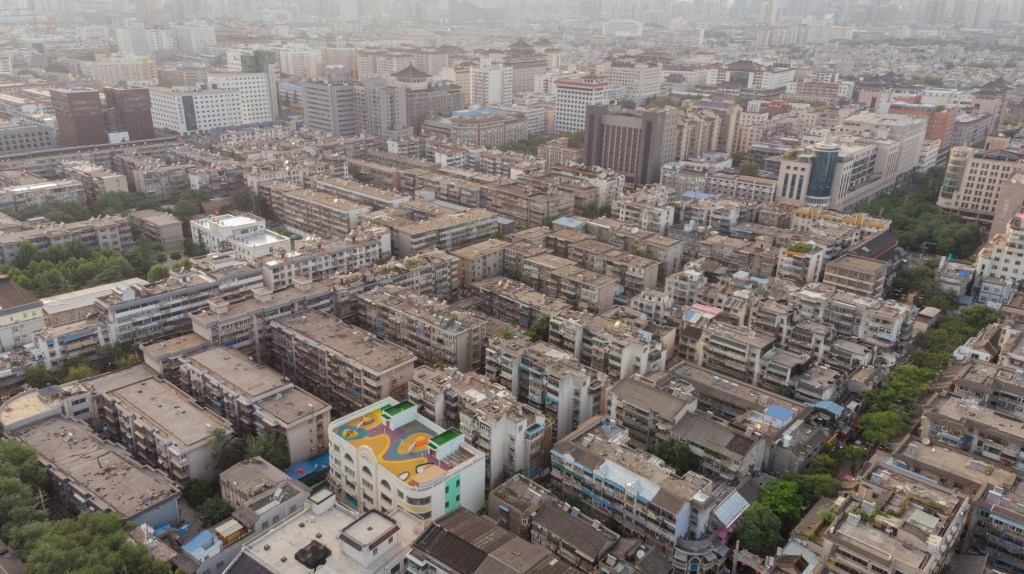
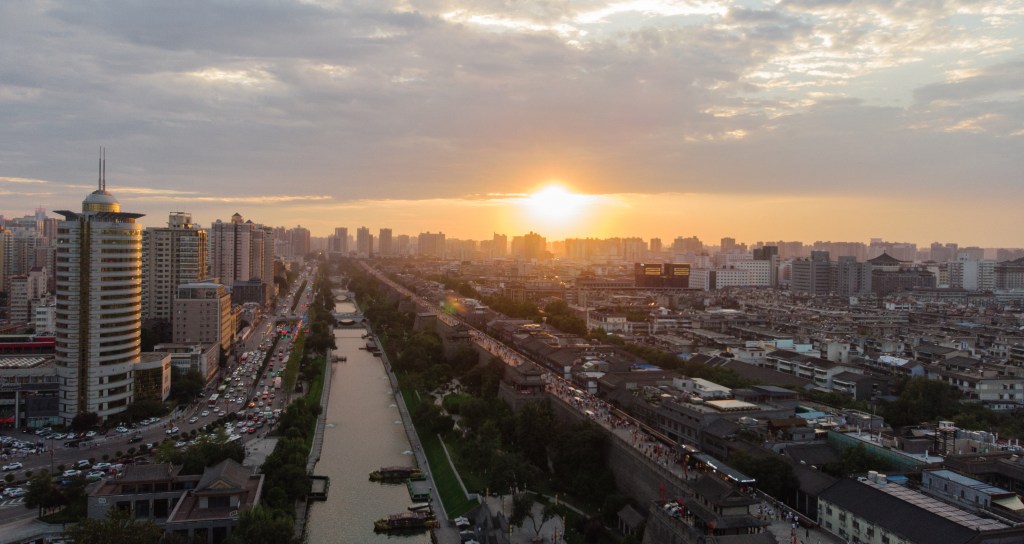
Xi’an is one of the oldest cities in China and served as the political and cultural heart of multiple dynasties, most famously the Tang Dynasty (618–907 AD). Back then, it was known as Chang’an, one of the largest and wealthiest cities in the world. Xi’an’s long history is visible everywhere — from its ancient city walls to the temples, towers, and alleys that have survived for centuries.
The Terracotta Army – Silence Amid Giants
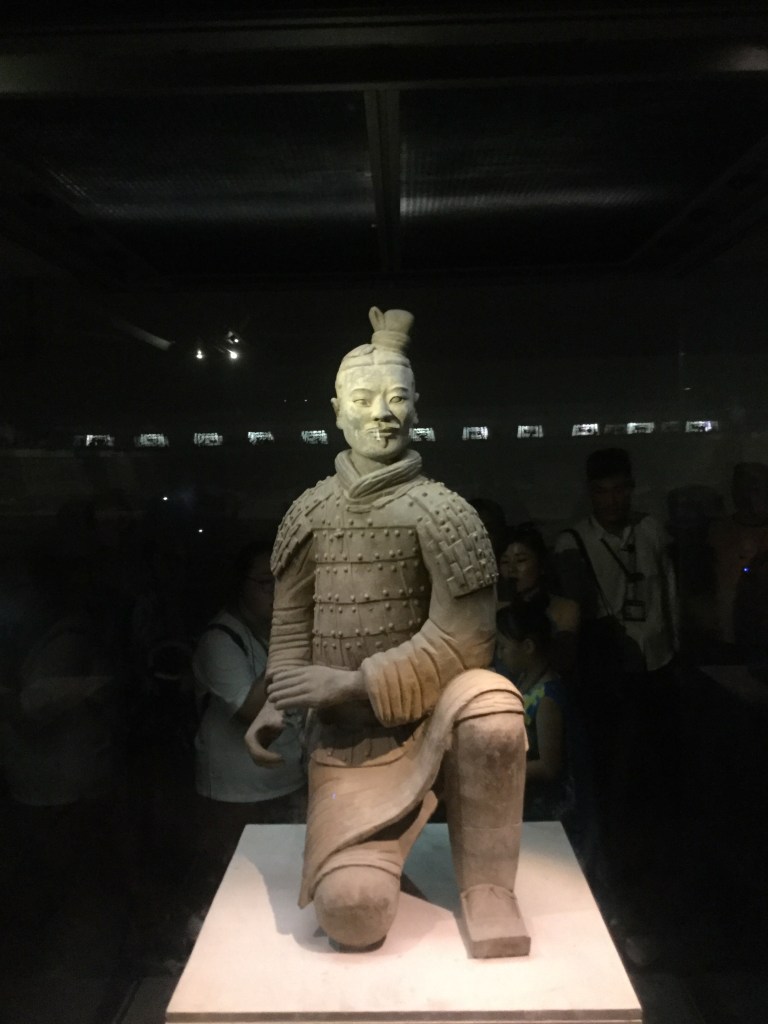
No visit to Xi’an would be complete without seeing the Terracotta Army — and I was absolutely blown away.
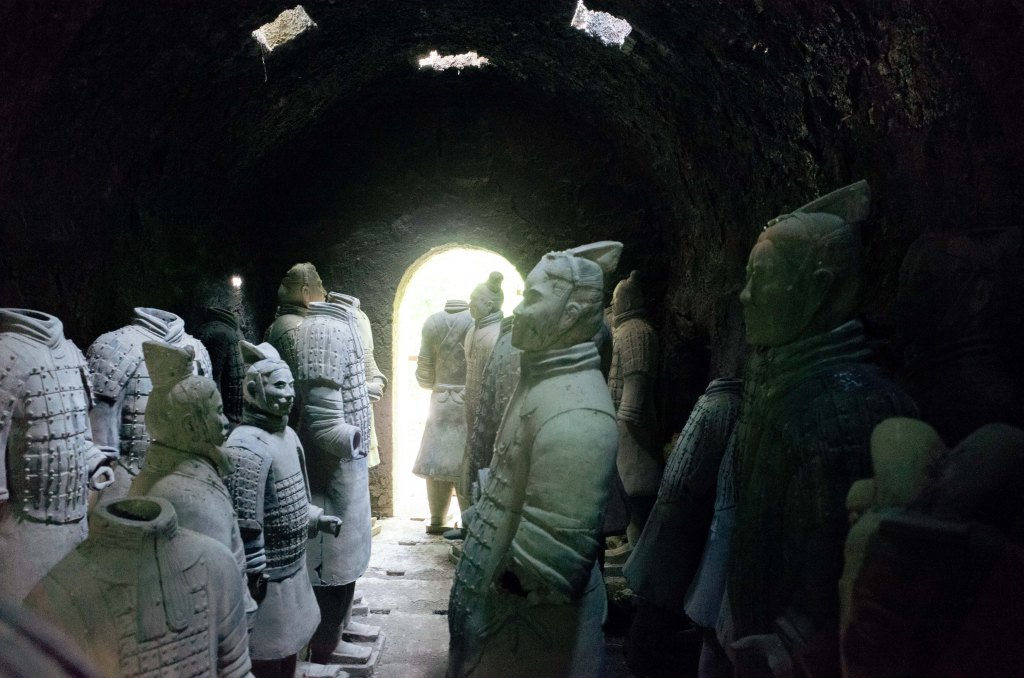
Located about an hour outside the city, this astonishing archaeological complex is the burial army of China’s first Emperor, Qin Shi Huang. What began as a secret royal project over 2,200 years ago has become one of the most important historical rediscoveries of our time.
Walking into the enormous pits filled with rows upon rows of life-sized terracotta warriors felt unreal. Thousands of sculpted soldiers, each with individualized features and expressions, stand in formation as if ready to defend the emperor even in death. There’s a calm, almost surreal silence in the halls, broken only by the echoes of visitors — and it makes the experience even more powerful.
I documented the entire visit with my camera — from the massive earthen platforms to the delicate details of armor and facial features. It’s one thing to read about the Terracotta Army in books… and another to stand among them in person.


Exploring Xi’an’s Old Town – The Thursday Market
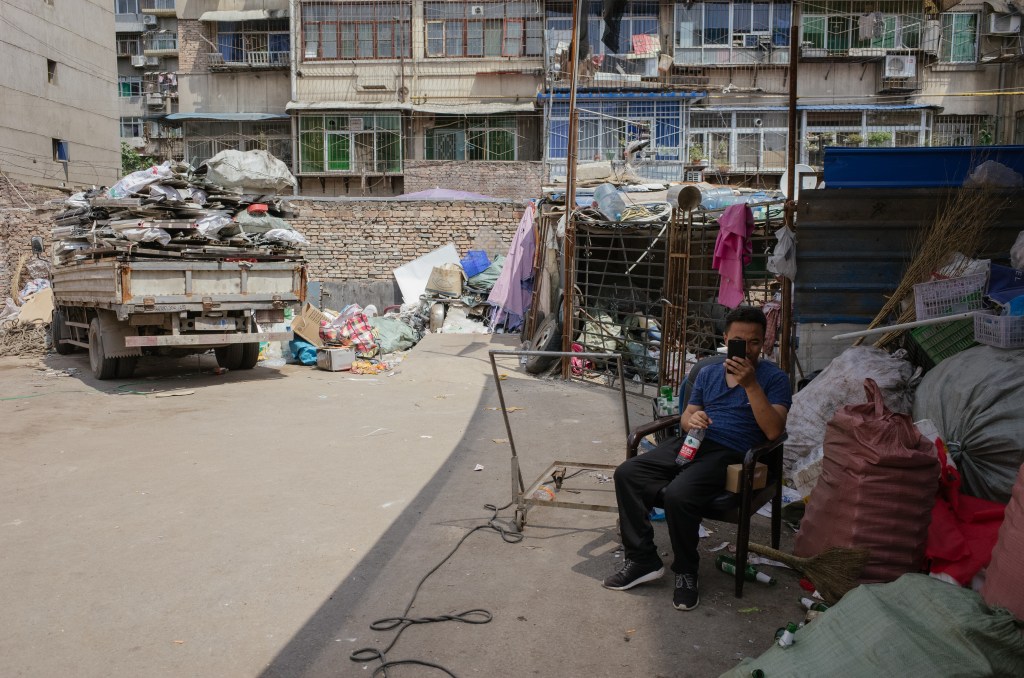
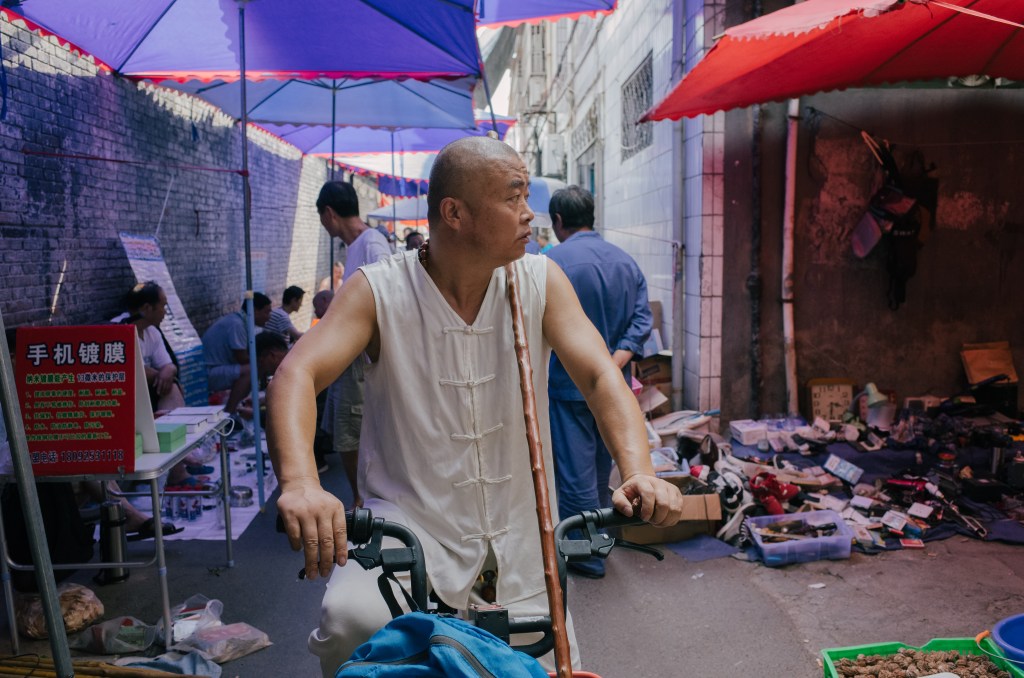
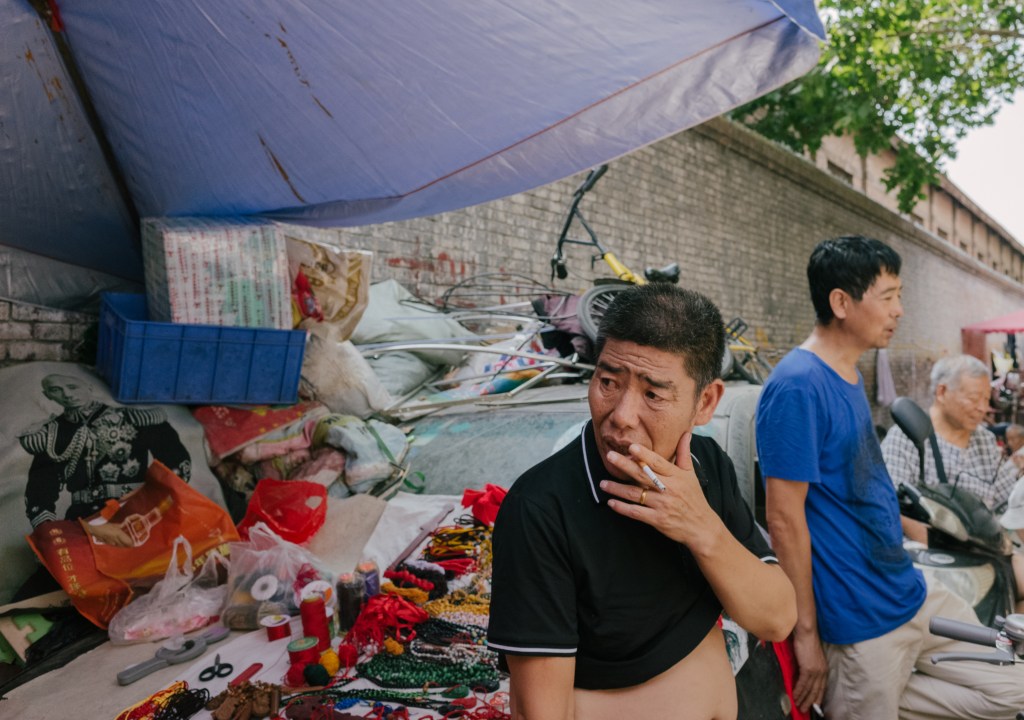
After all the sweeping history, what truly made Xi’an feel real to me was its everyday life — especially the Thursday market in the old town.
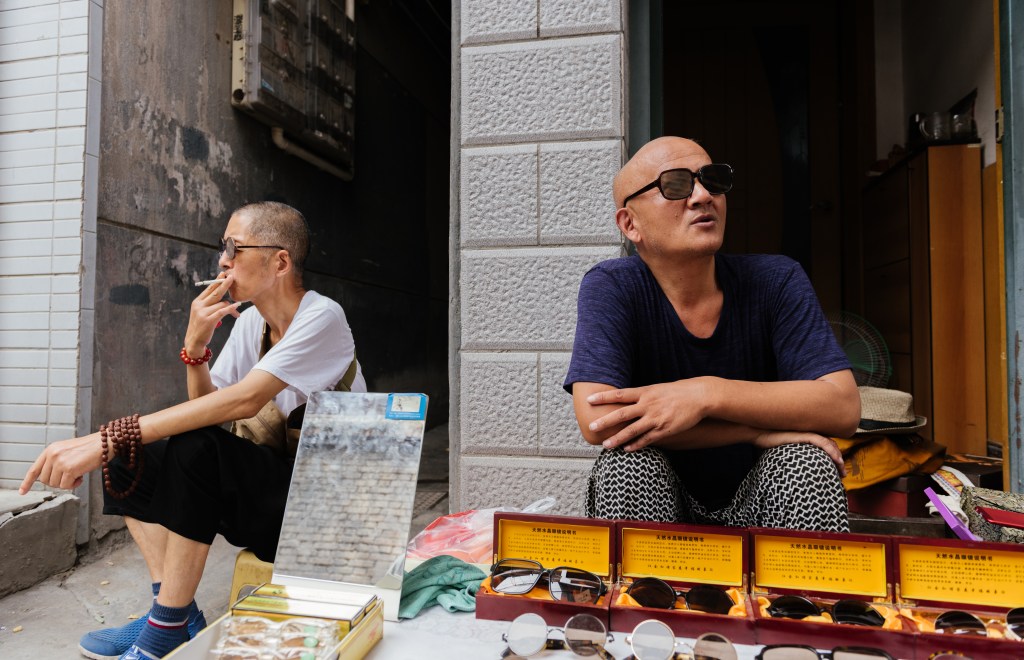
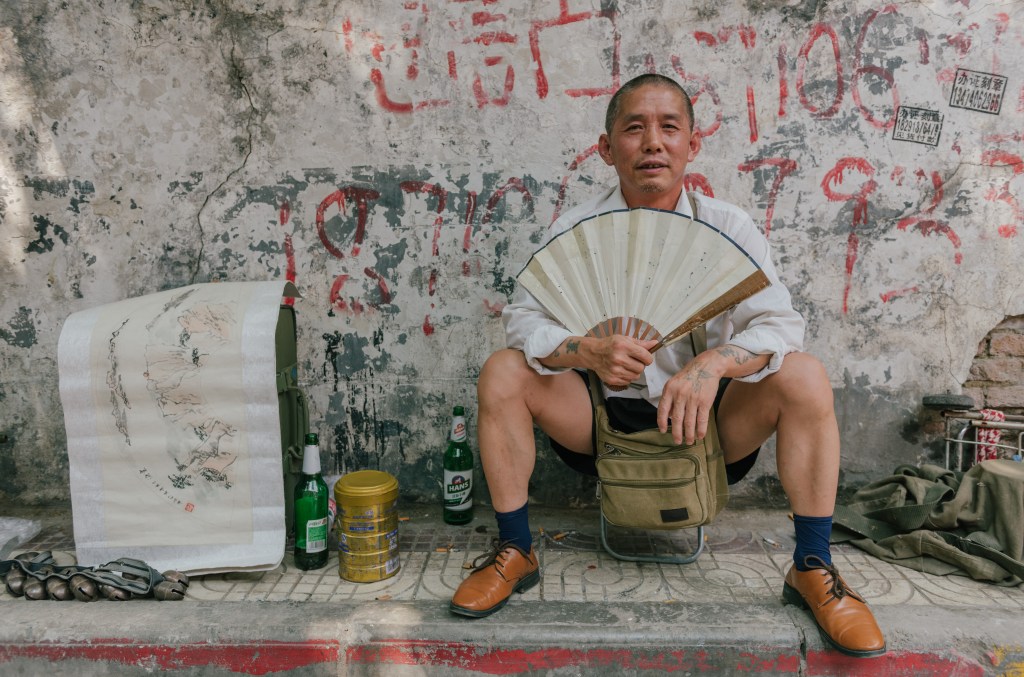
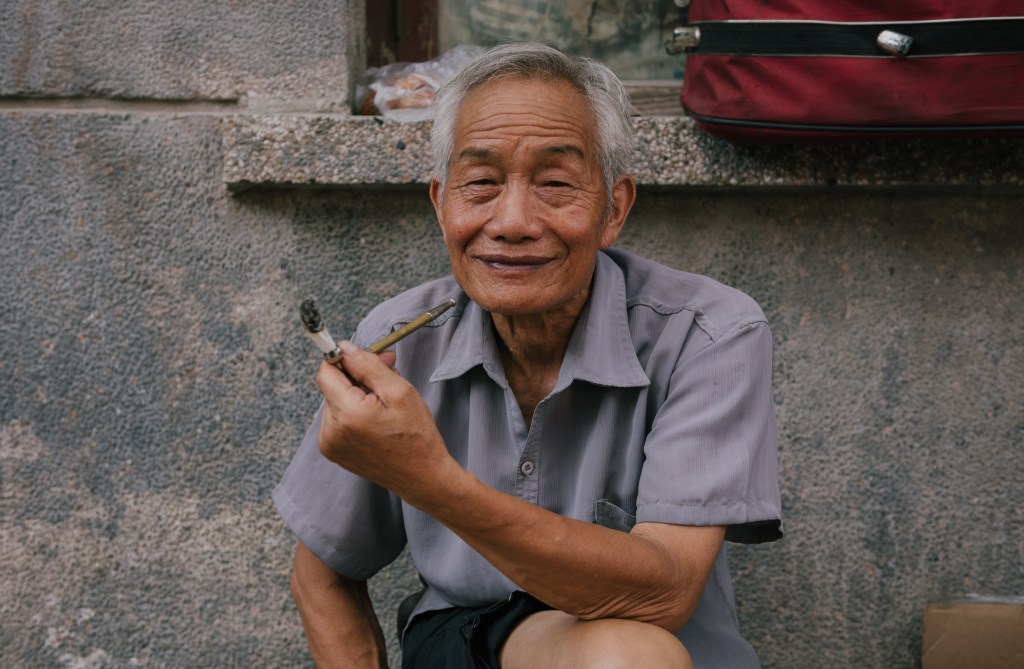
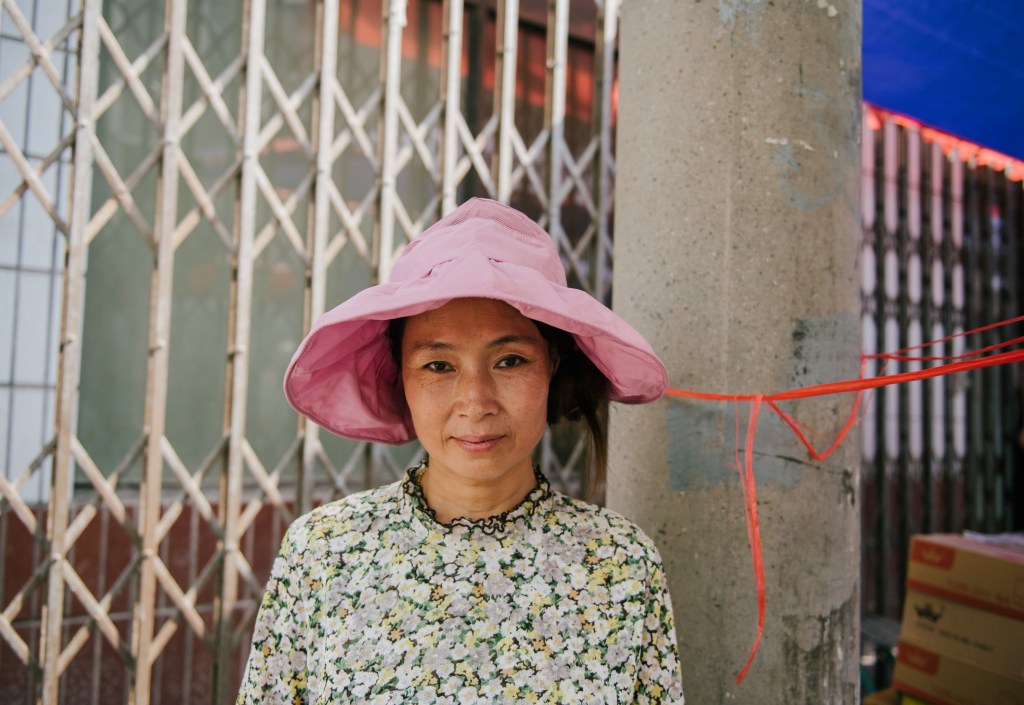
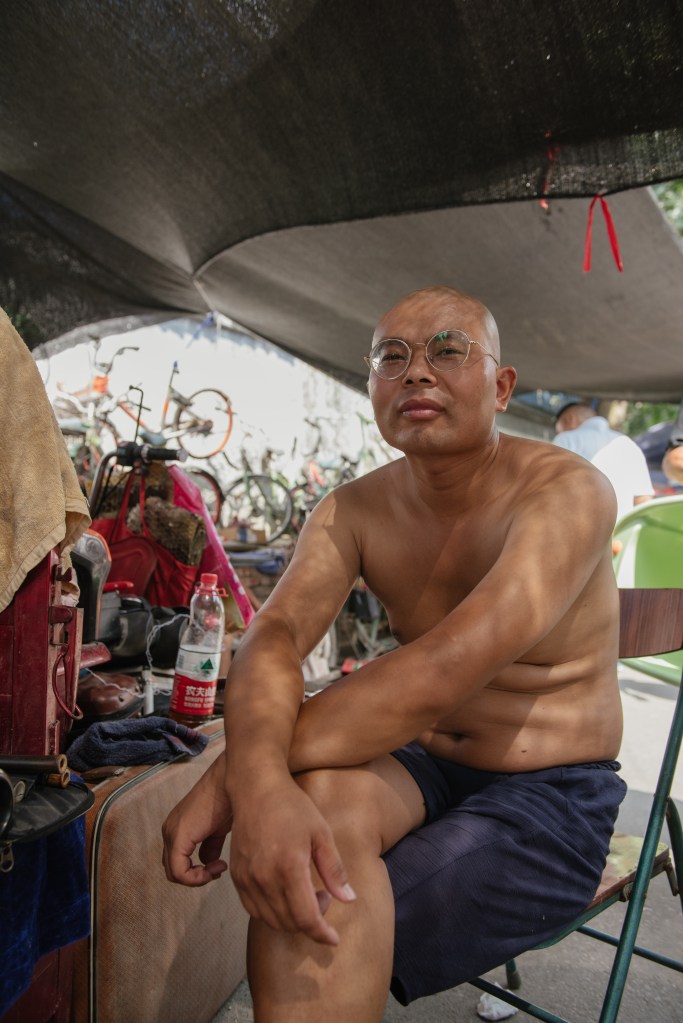
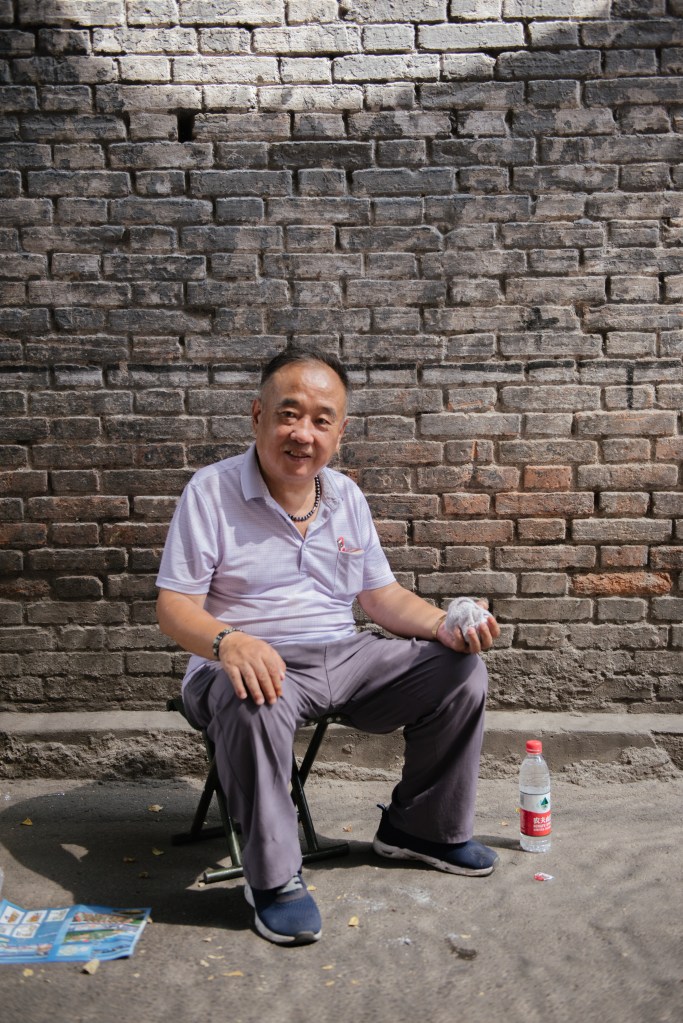
This market isn’t a staged tourist attraction; it’s a genuine local experience. Every Thursday, the streets surrounding the ancient city walls come alive with stalls selling fresh produce, local snacks, traditional goods, and handmade crafts. I wandered through narrow alleys shaded by centuries-old architecture, stopping to taste local dumplings, grilled skewers, and sweet baked treats.
The energy was vibrant — farmers haggling over prices, families shopping for the week, elderly men playing chess on street-side tables, and children chasing pigeons near the bell tower. This wasn’t just a market; it was a slice of daily life in Xi’an, and it added a completely different dimension to my trip.





Why Xi’an Was Unforgettable
Xi’an has that rare ability to be both ancient and alive at the same time. You can stand beside relics that are over two millennia old and then, just moments later, wander through a market filled with laughter and song. For me, it was a perfect blend of awe-inspiring history, cultural immersion, and authentic human interaction.
Whether you’re a history buff, a photographer, or simply someone who loves exploring real places where past and present collide, Xi’an is one of those cities that stays with you long after you leave.


-
Dunhuang & the Mogao Caves – Between Expectations and Reality
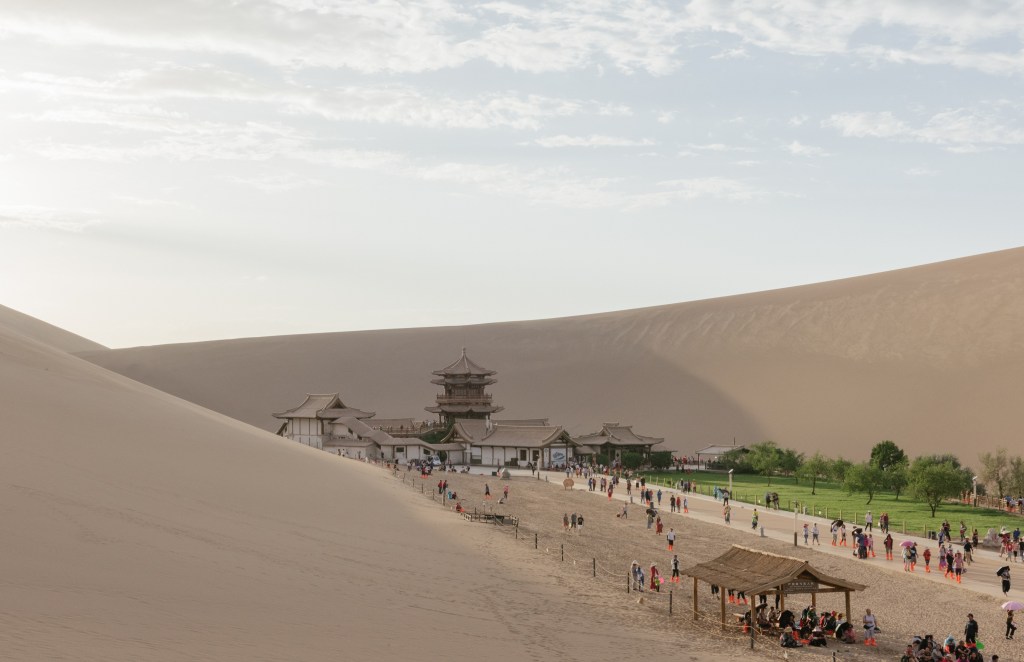
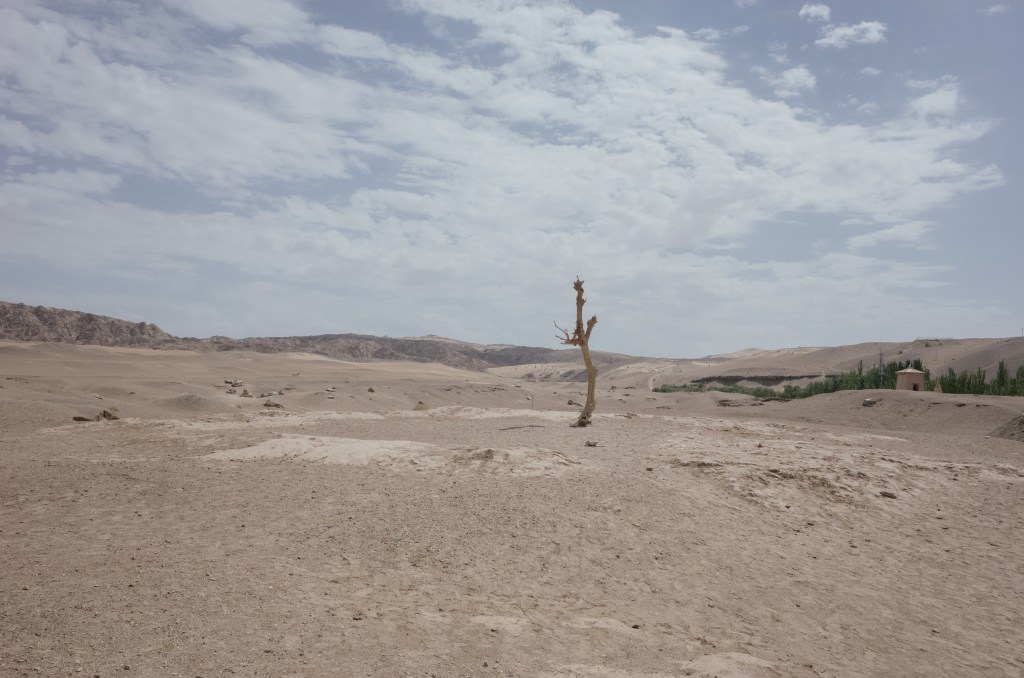
When I arrived in Dunhuang, I had very different expectations. In my head, this place felt like it would be some kind of Chinese Disneyland — overly organized, crowded, and staged for tourists. I imagined wide paths, souvenir shops everywhere, and the feeling that you’re being guided rather than exploring.I also thought I would be able to head out on my own and wander freely into the wilderness at the edge of the Gobi Desert, exploring the landscape independently. Reality, however, turned out to be quite different — and much more impressive in its own way.
The Mogao Caves – A Journey Through Time
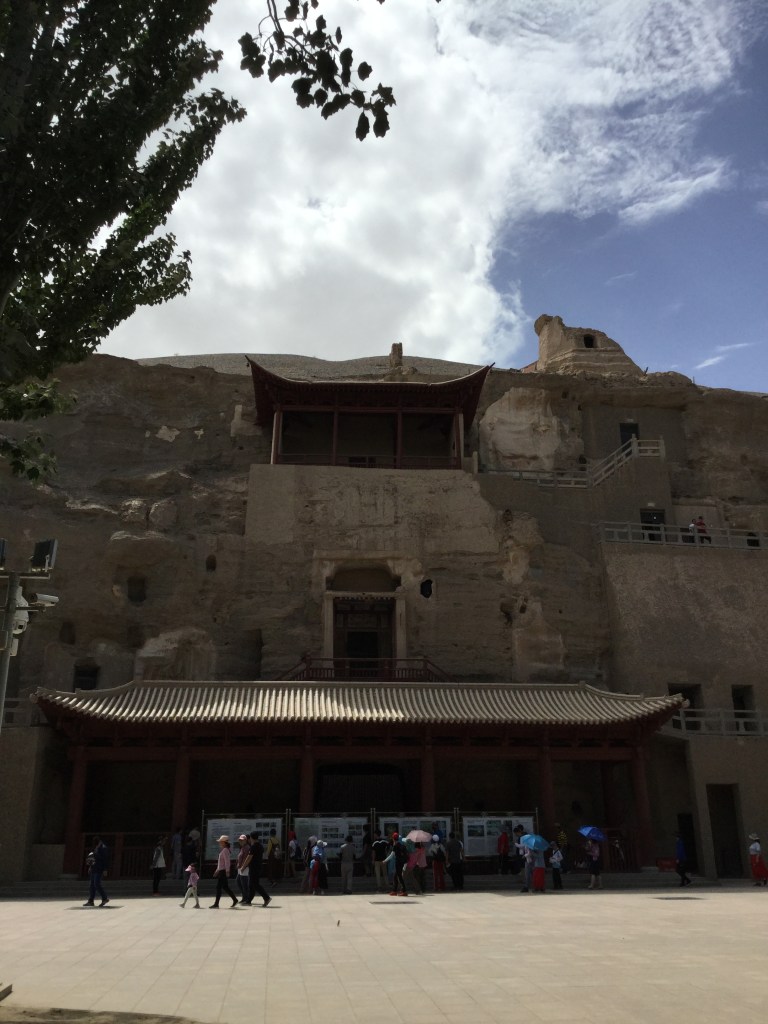
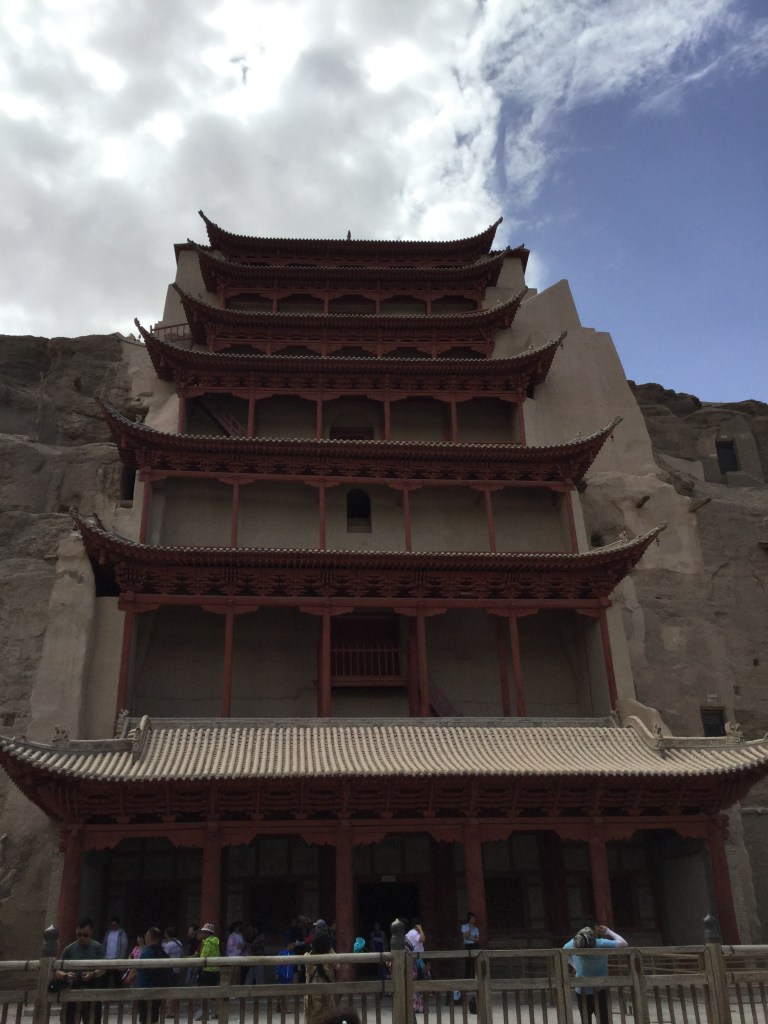
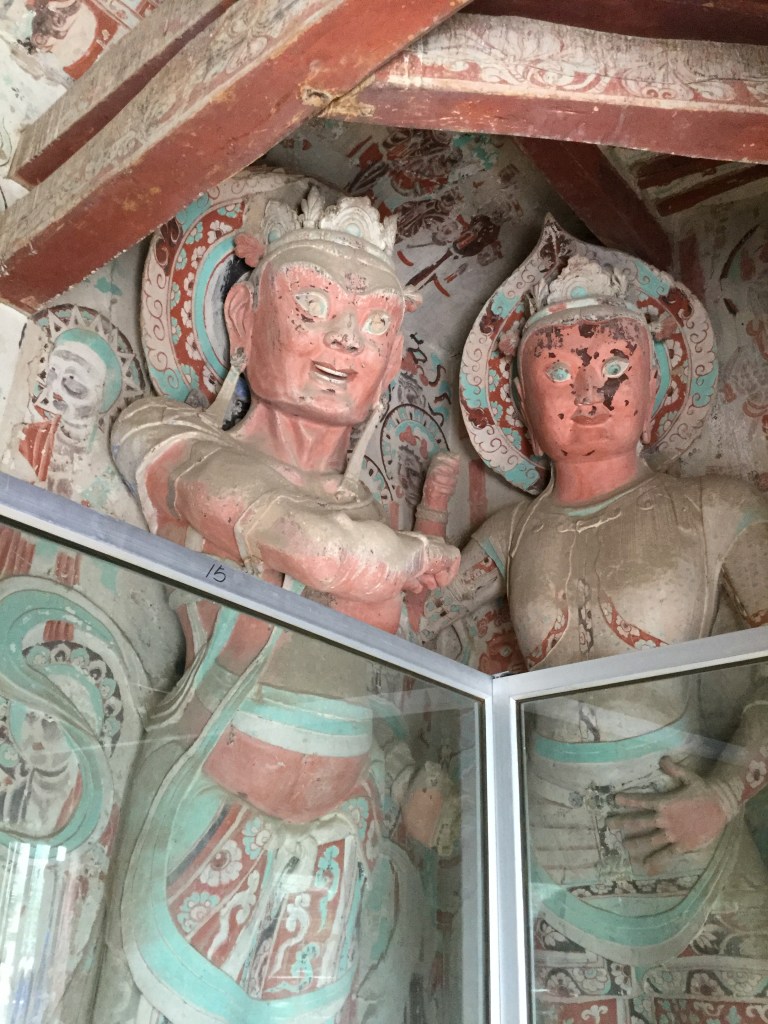
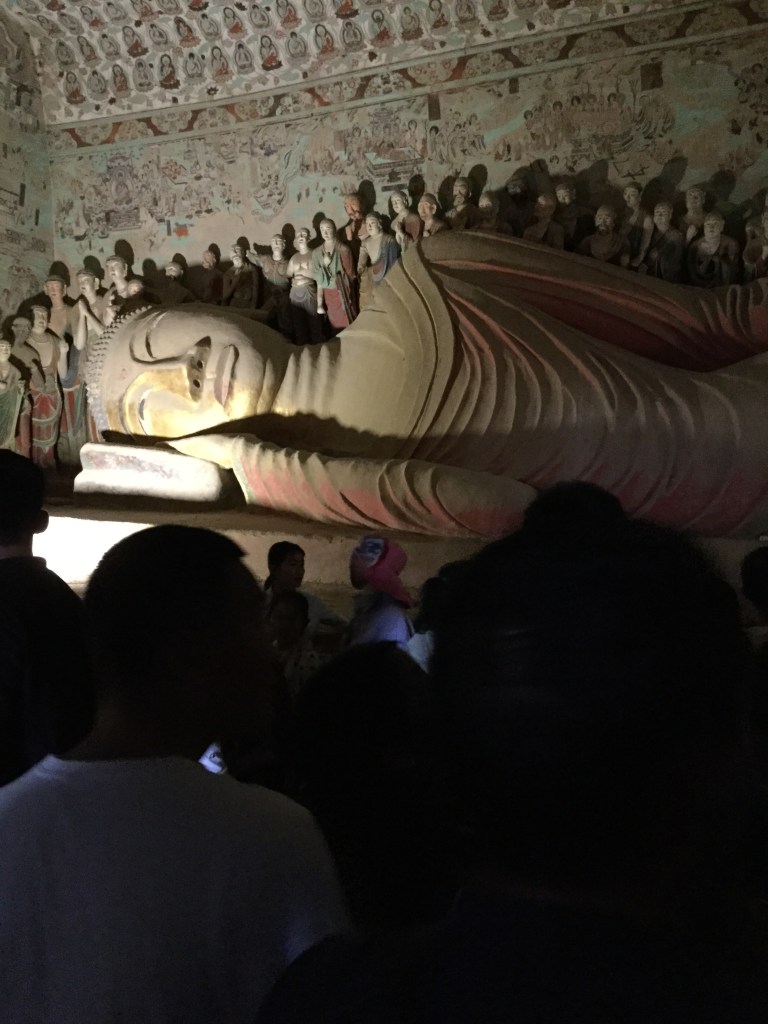
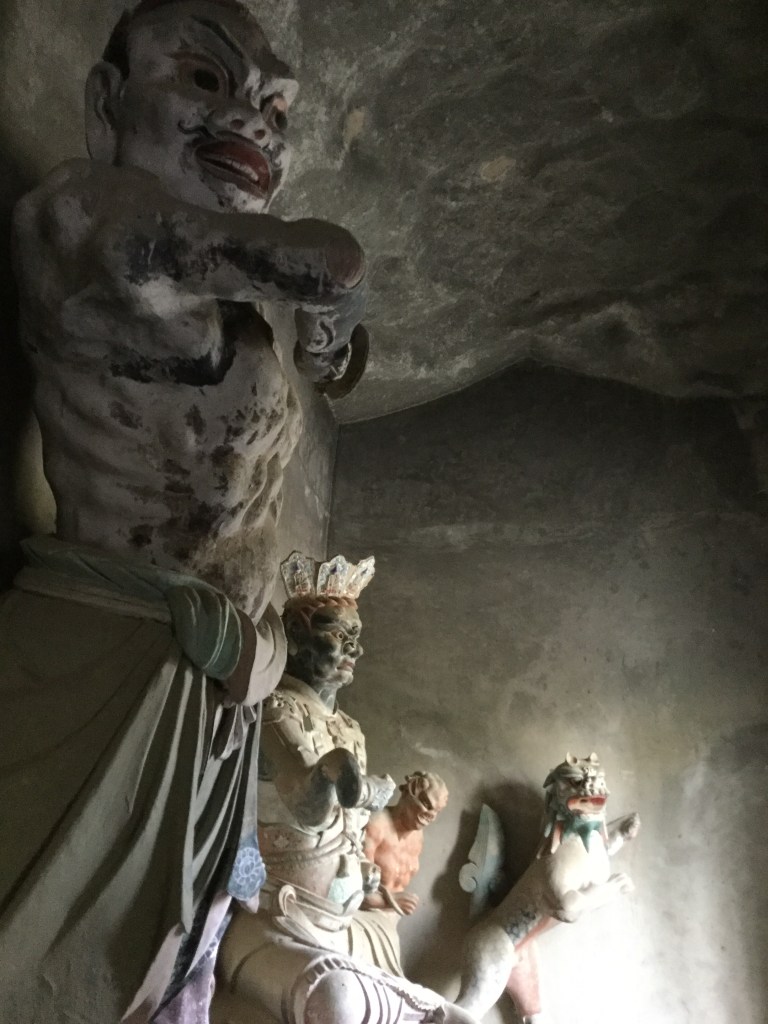
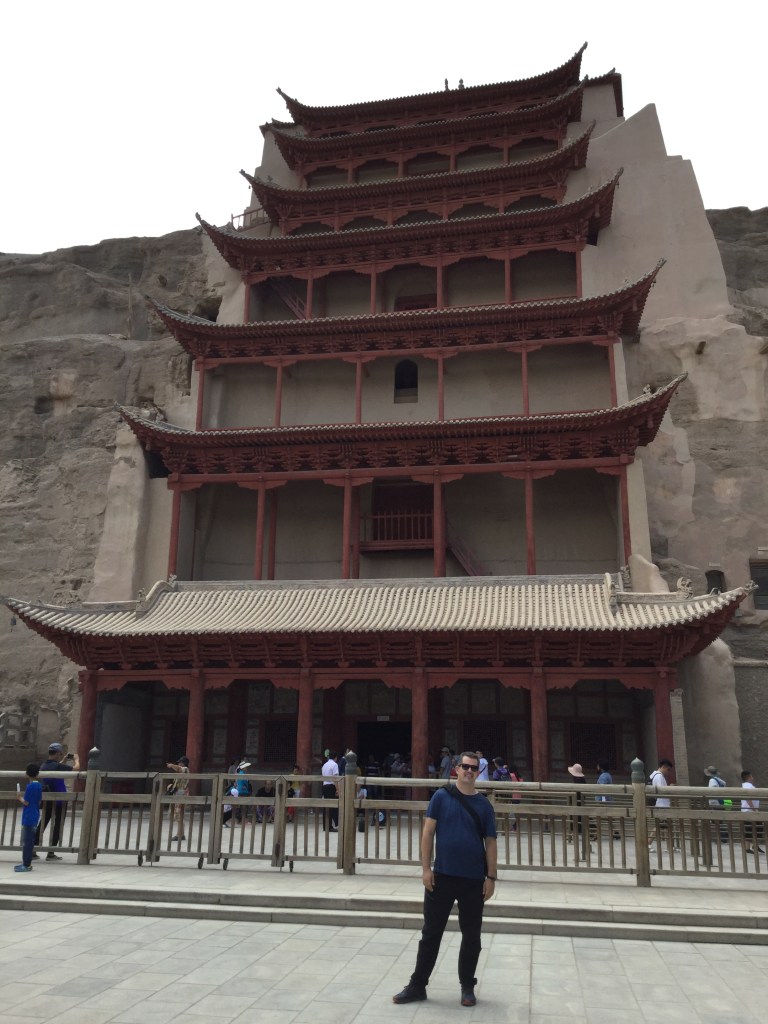
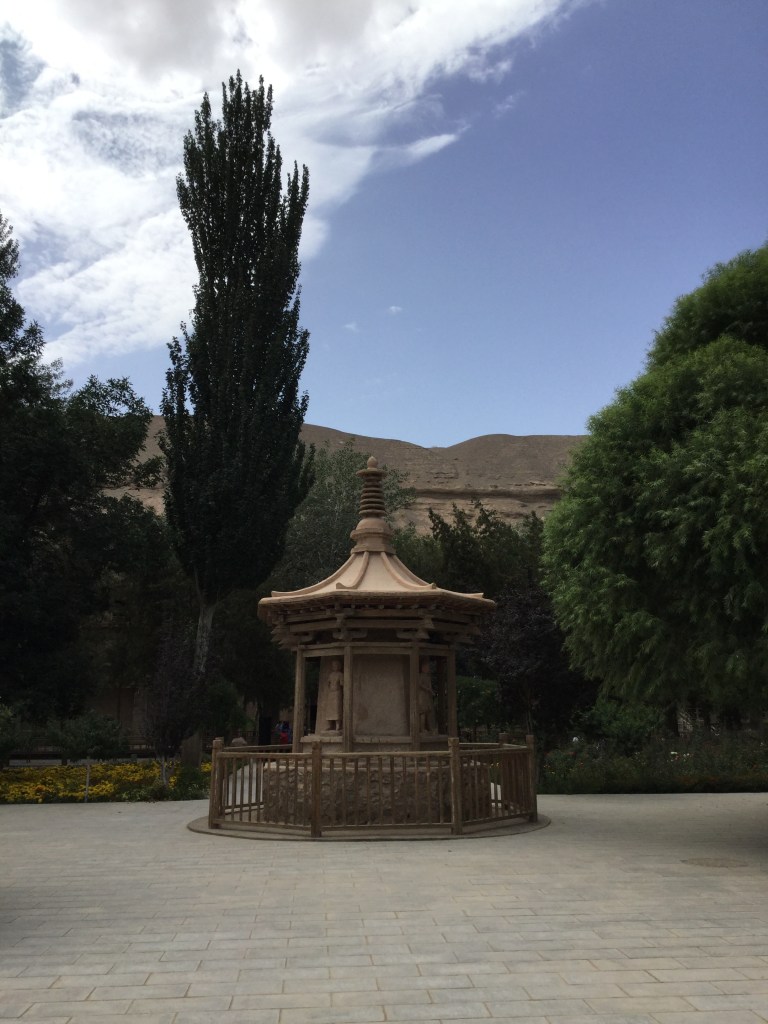
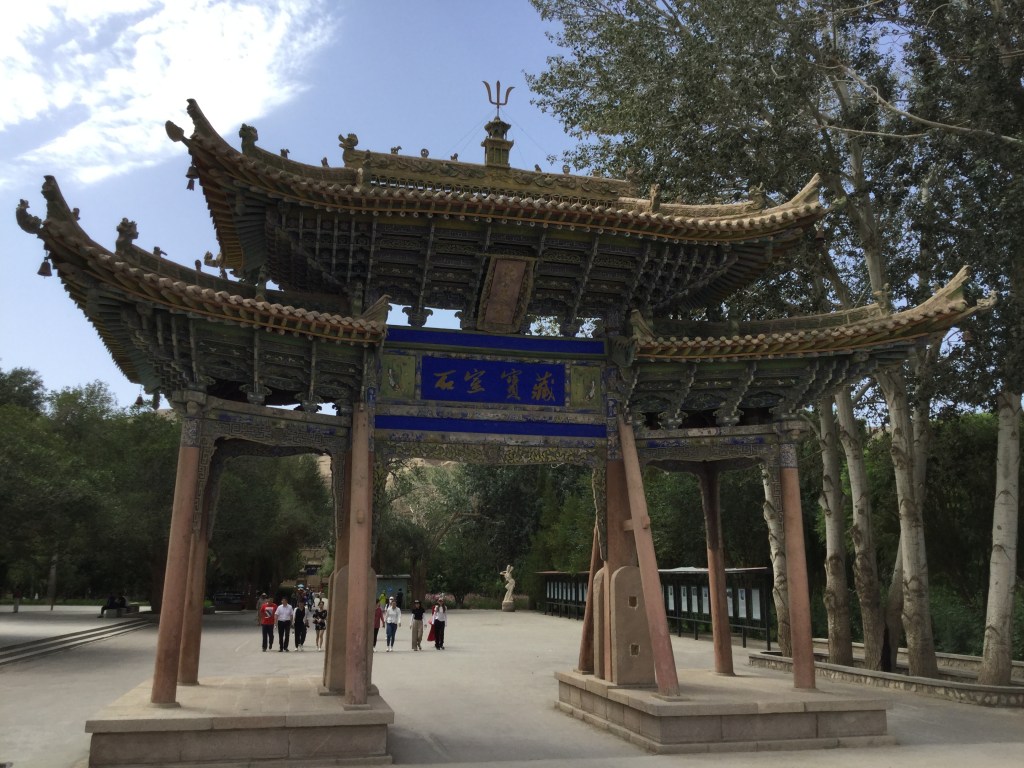
The highlight of Dunhuang is without question the Mogao Caves. Standing in front of this UNESCO World Heritage Site, it’s hard to grasp the scale and historical importance of the place. These caves were carved into the cliffs more than a thousand years ago and served as a spiritual and cultural hub along the ancient Silk Road.
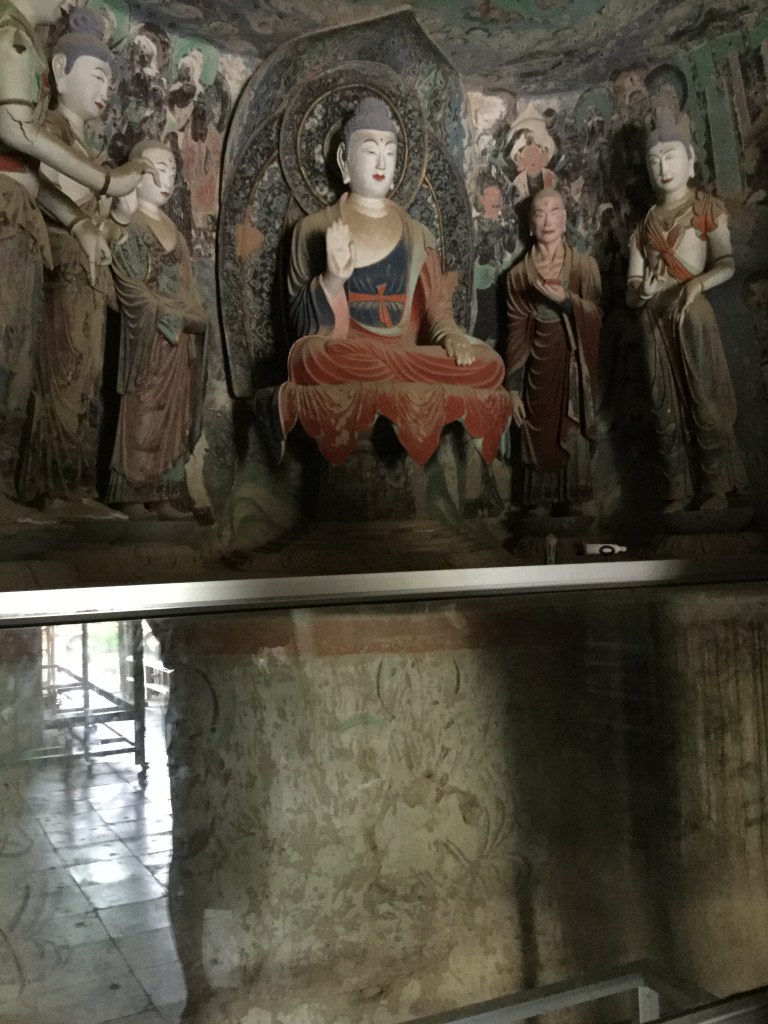
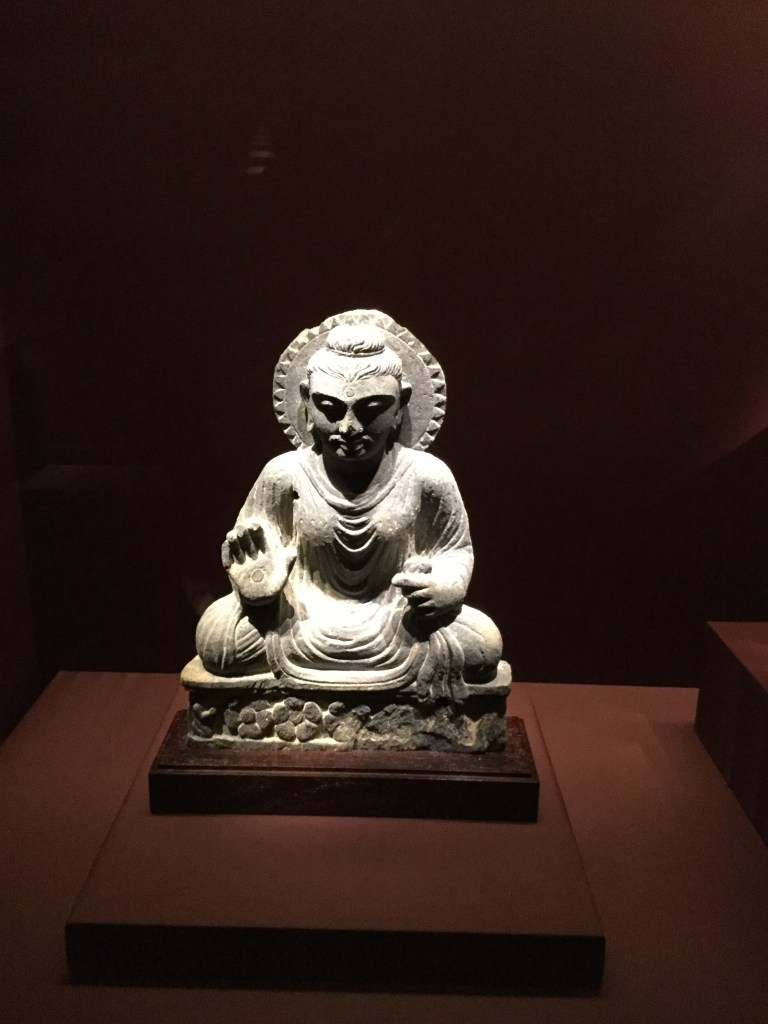
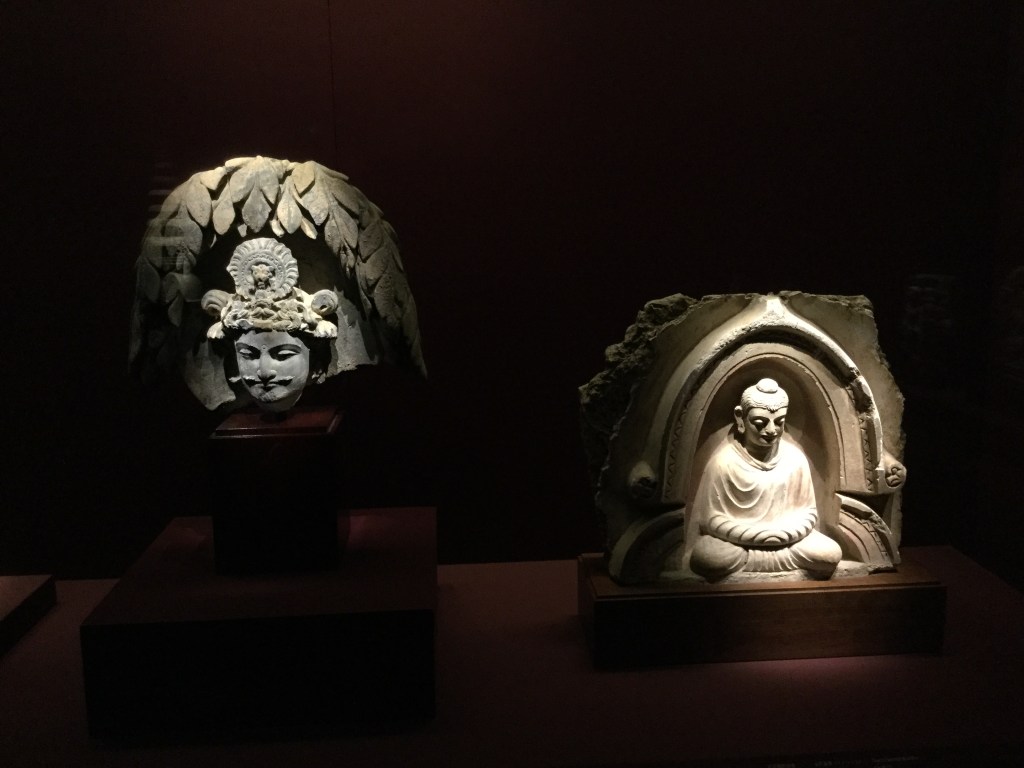
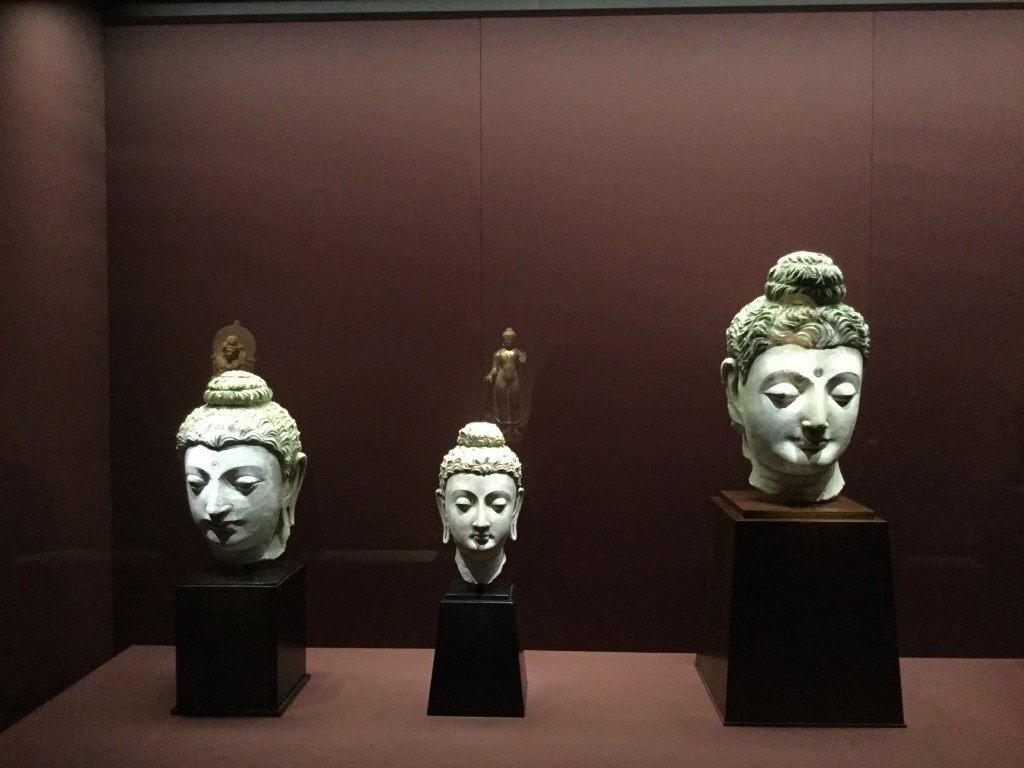
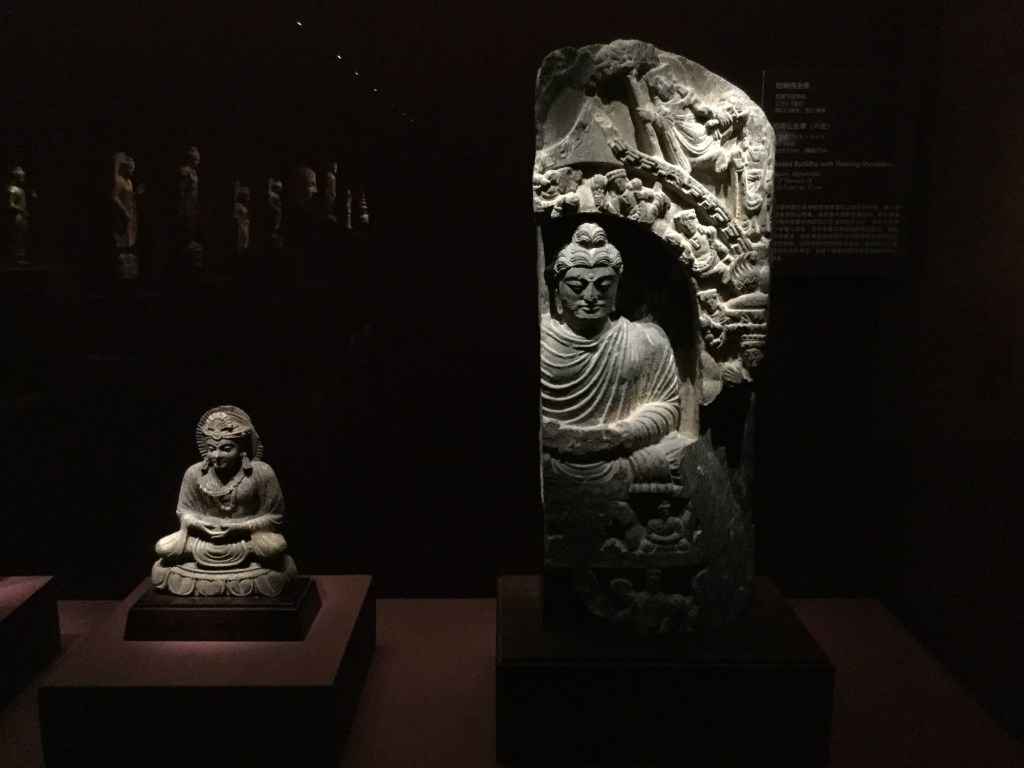
Inside, the caves reveal an incredible world of ancient Buddhist art. The murals are rich in color and detail, telling stories of religion, daily life, and the many cultures that once passed through this region. The exhibition of the old Buddha statues was absolutely fascinating — serene faces, delicate craftsmanship, and a deep sense of history that makes you forget the outside world for a moment.
Walking through with a guide and flashlight, the details pull you in: flying apsaras swirling across vaulted ceilings, serene Buddhas emerging from candle‑lit walls, and layers of repainting that show how different eras, dynasties, and donors left their mark.
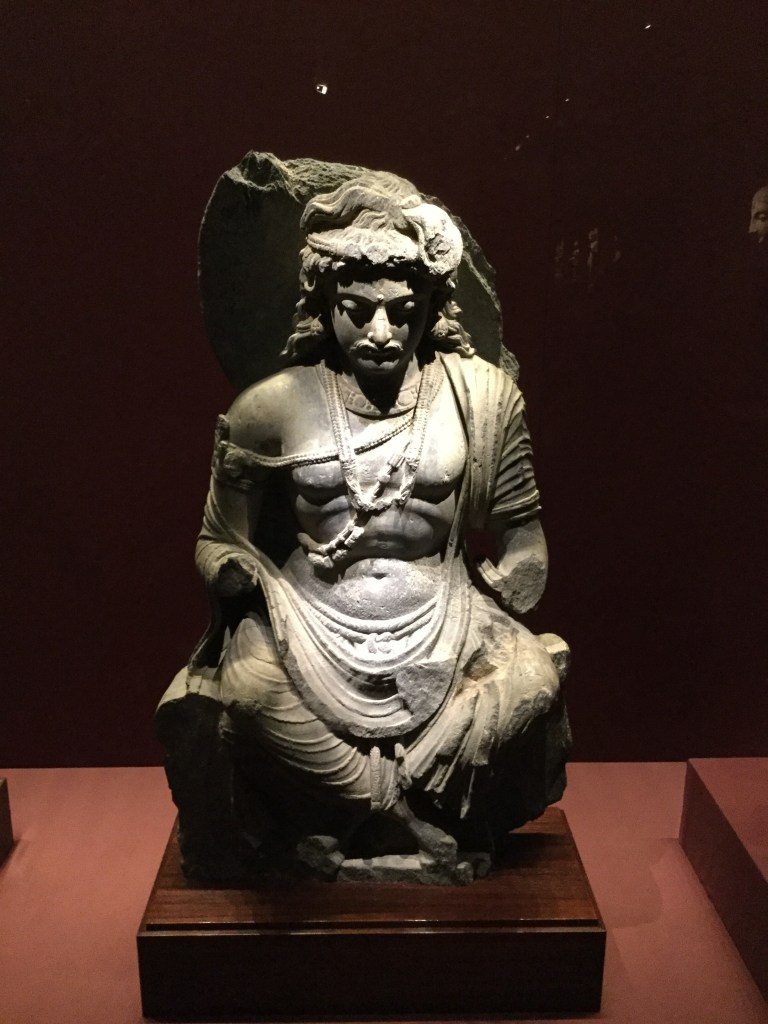
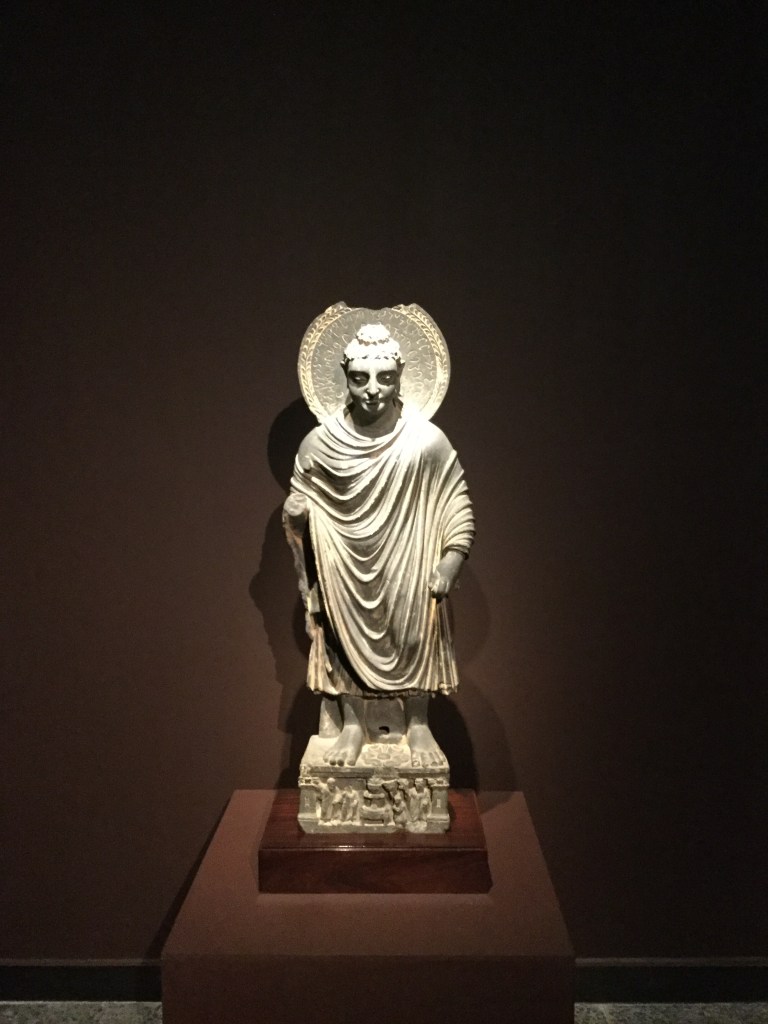
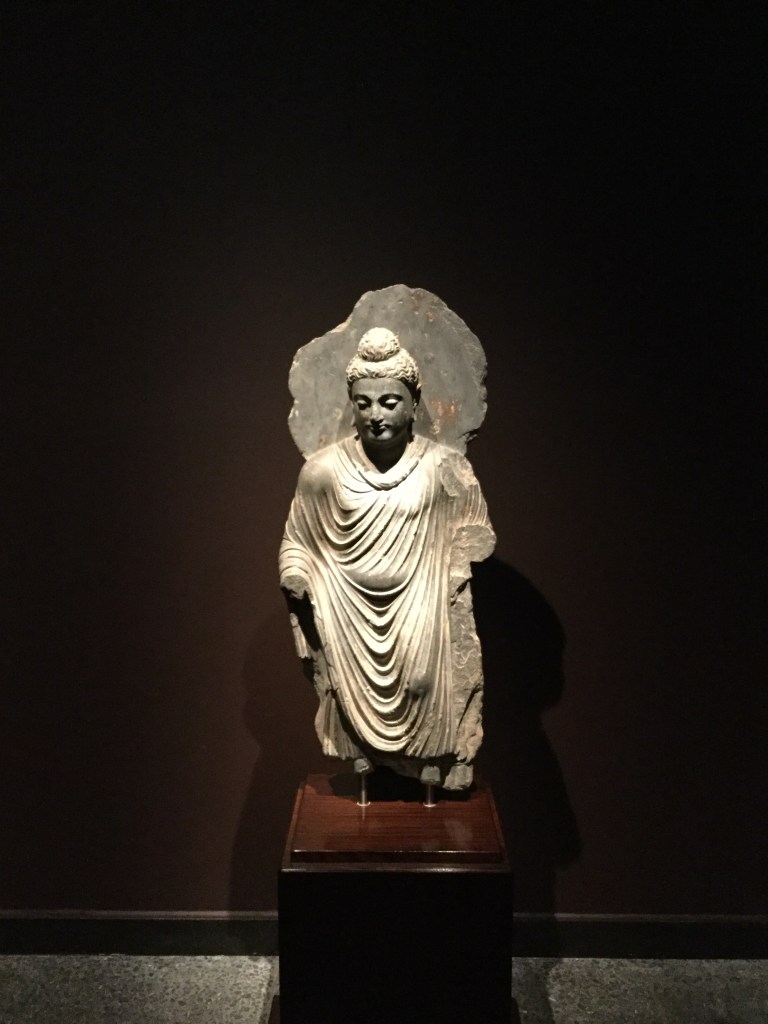
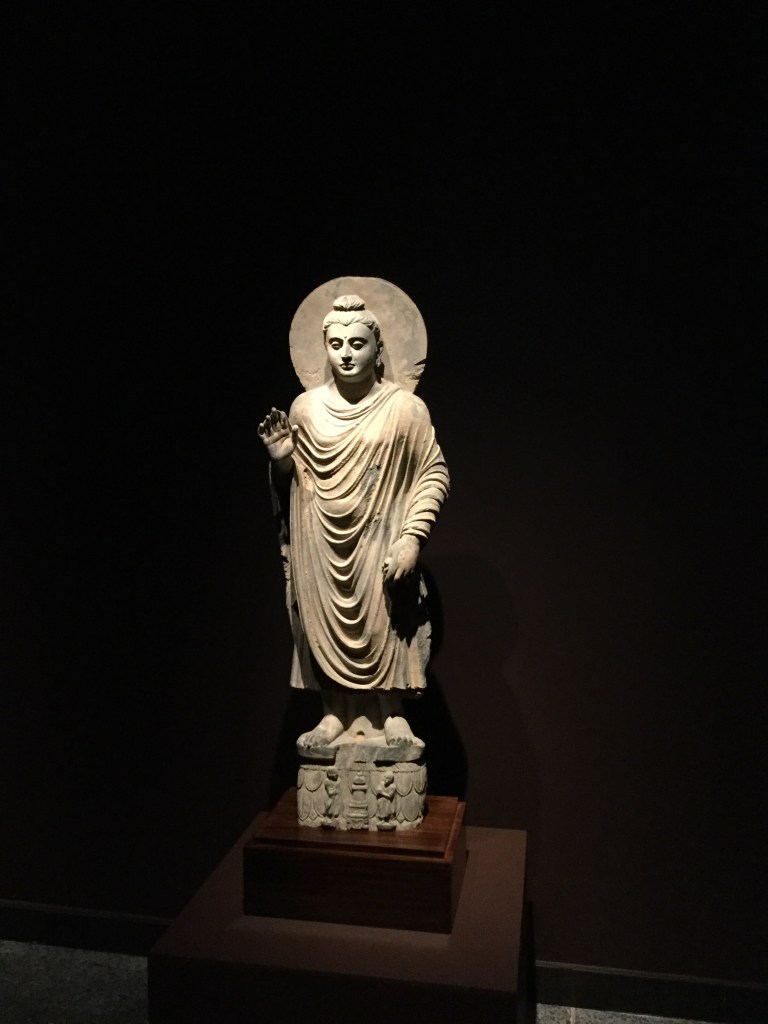
At the end of the official cave tour, the path leads back to the Mogao exhibition center, where the experience continues in a more museum‑like setting. There, among models, replicas and original objects, an exhibition on Gandhara Buddha statues opens another chapter of the story, connecting these caves to a much wider world.
Gandhara: where the Buddha got a face
The Gandhara exhibition at the Mogao center links this desert outpost to a region far to the west. Gandhara was an ancient crossroads in what is now northwest Pakistan and parts of eastern Afghanistan, connecting India, Persia, Central Asia, and even the Hellenistic world as far as ancient Greece.
From around the 2nd century BCE to the 10th century CE, the region produced an extraordinary body of Buddhist art: stone carvings of the Buddha and Bodhisattvas, fragments of stupas, reliquaries, and finely worked gold and silver jewelry. A recent exhibition in Beijing, “Gandhara Heritage Along the Silk Road,” brought together 203 such artifacts, most of them on loan from seven museums in Pakistan, illustrating just how rich and long‑lived this artistic tradition was.
The story of Gandhara is not just about style; it is about routes and relationships. Gandharan artifacts and ideas traveled east into China along at least two pathways: one through today’s Xinjiang and Gansu—the same corridor that leads to Dunhuang—and another, less known route climbing the Indus Valley into the Qinghai‑Tibet Plateau.
Climbing into the sand
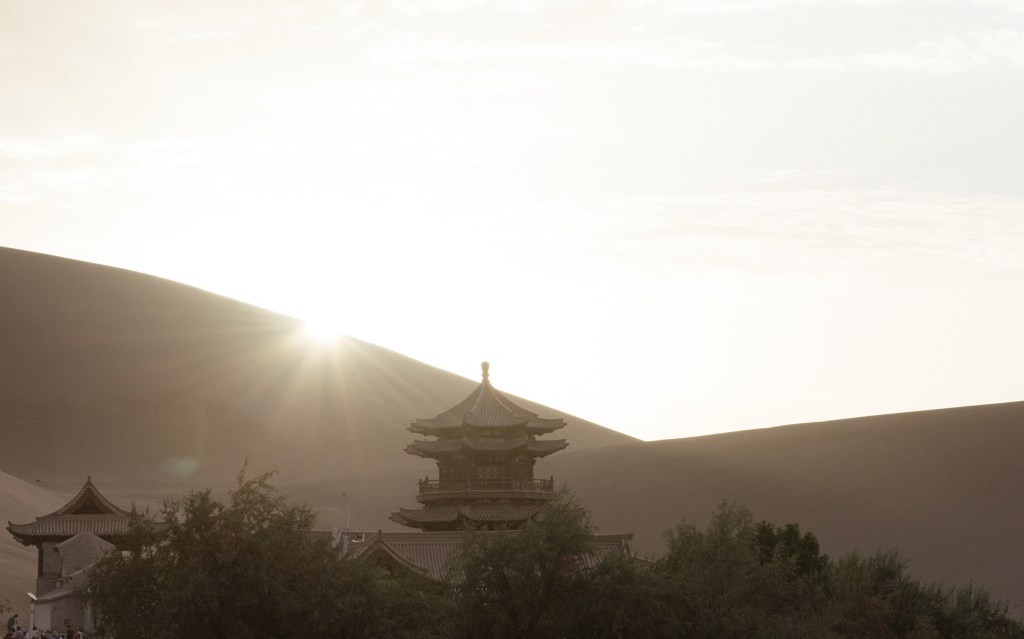
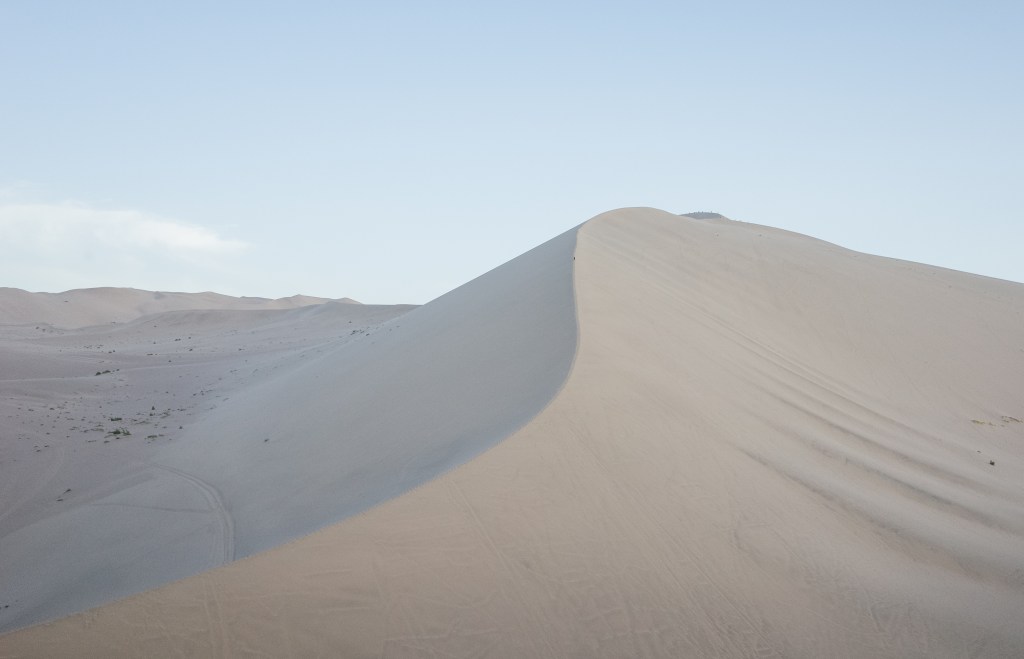
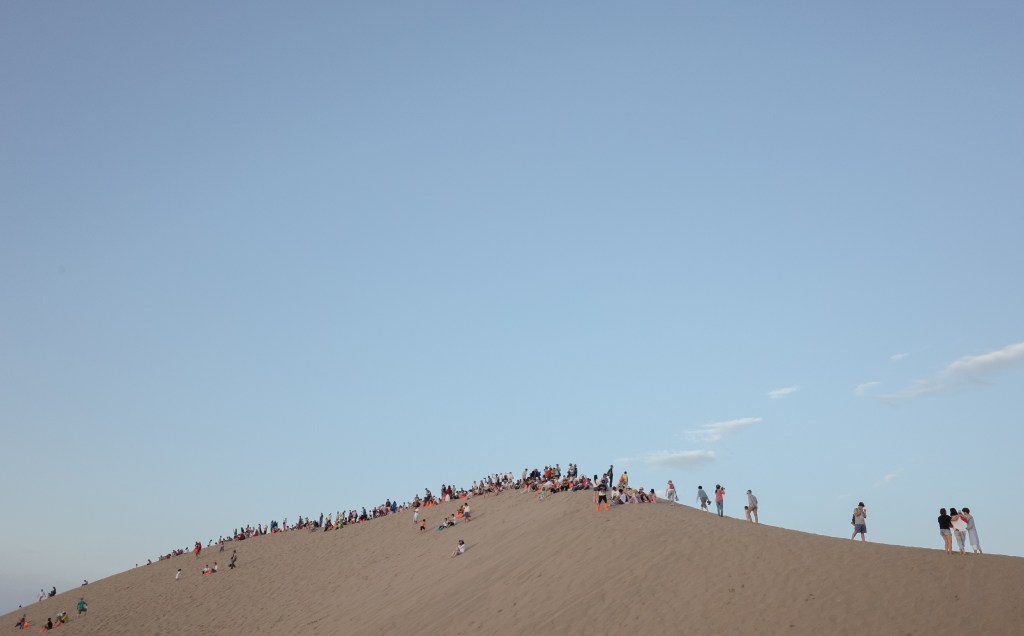
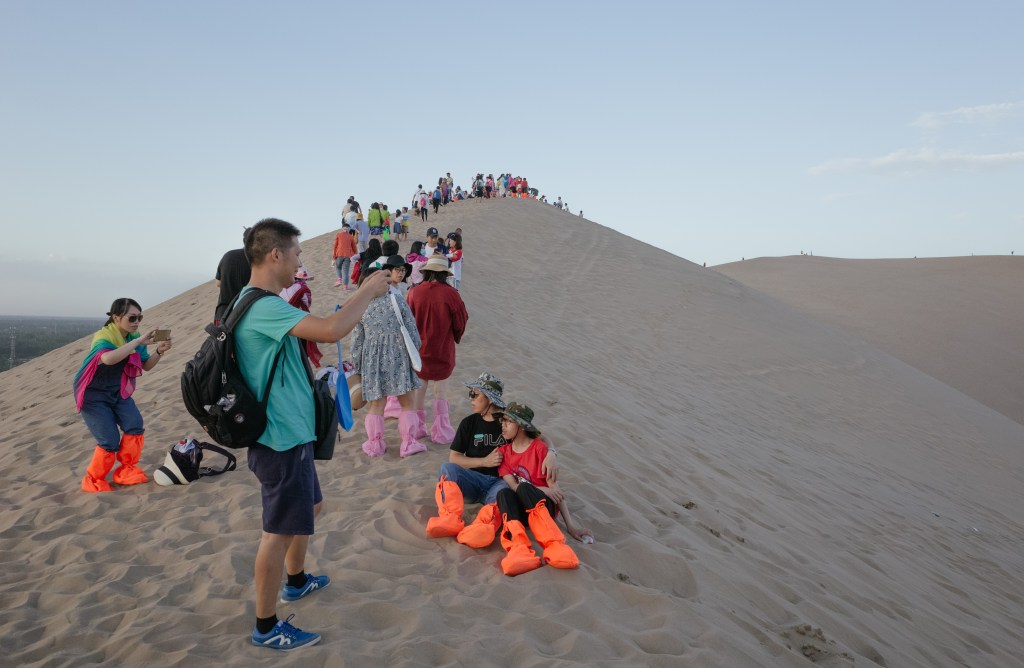
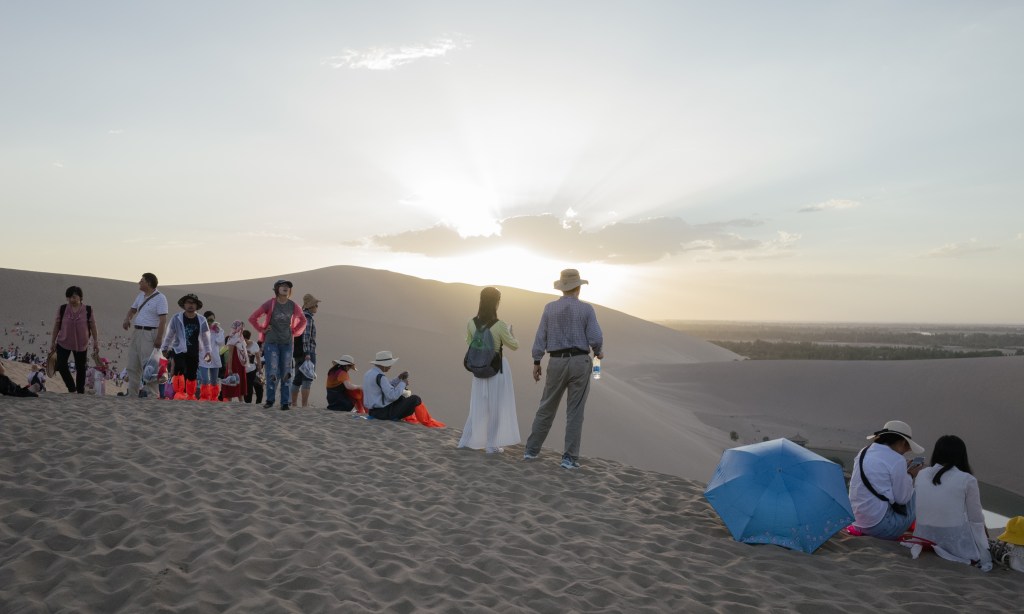
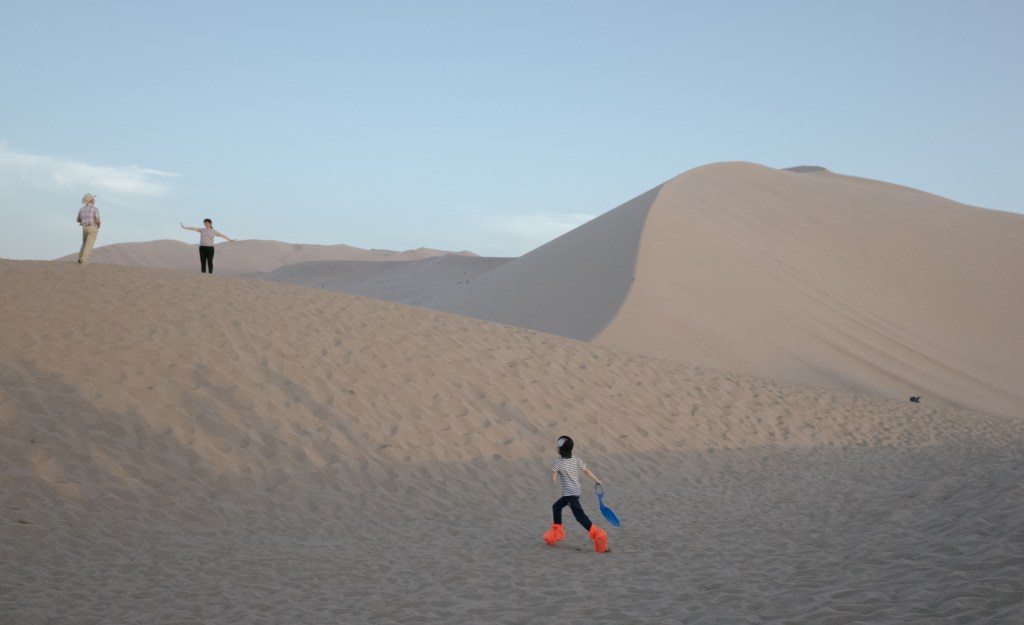
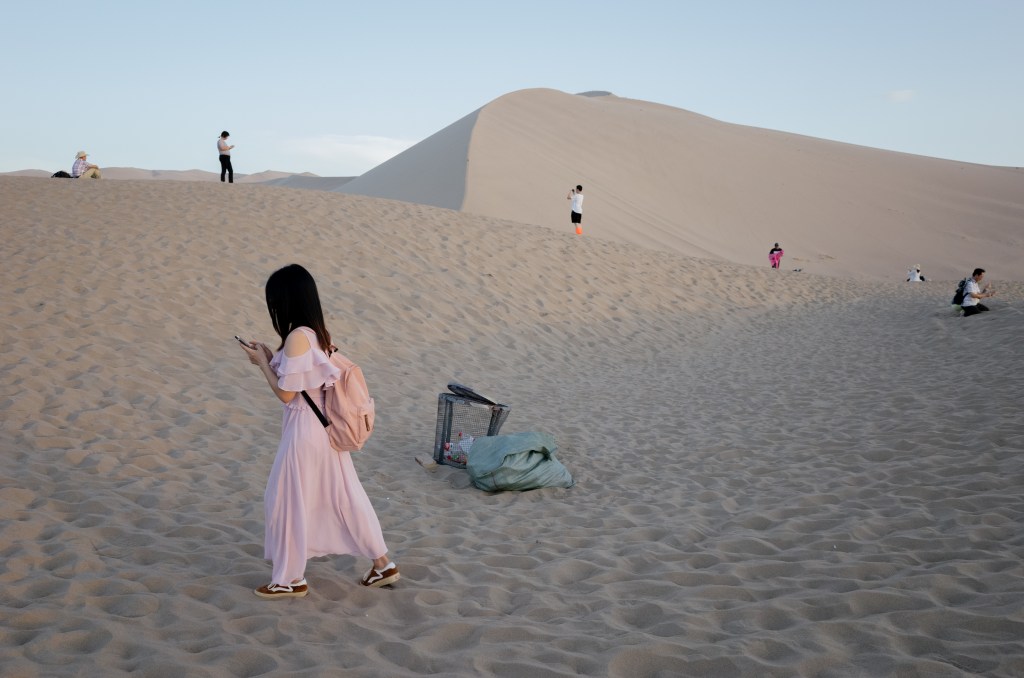
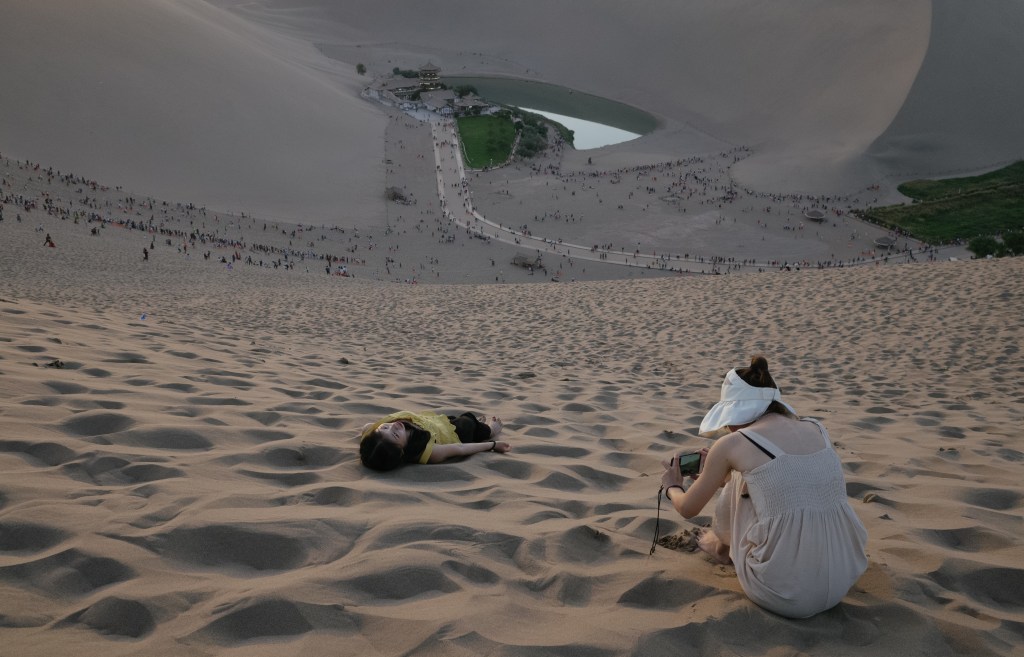
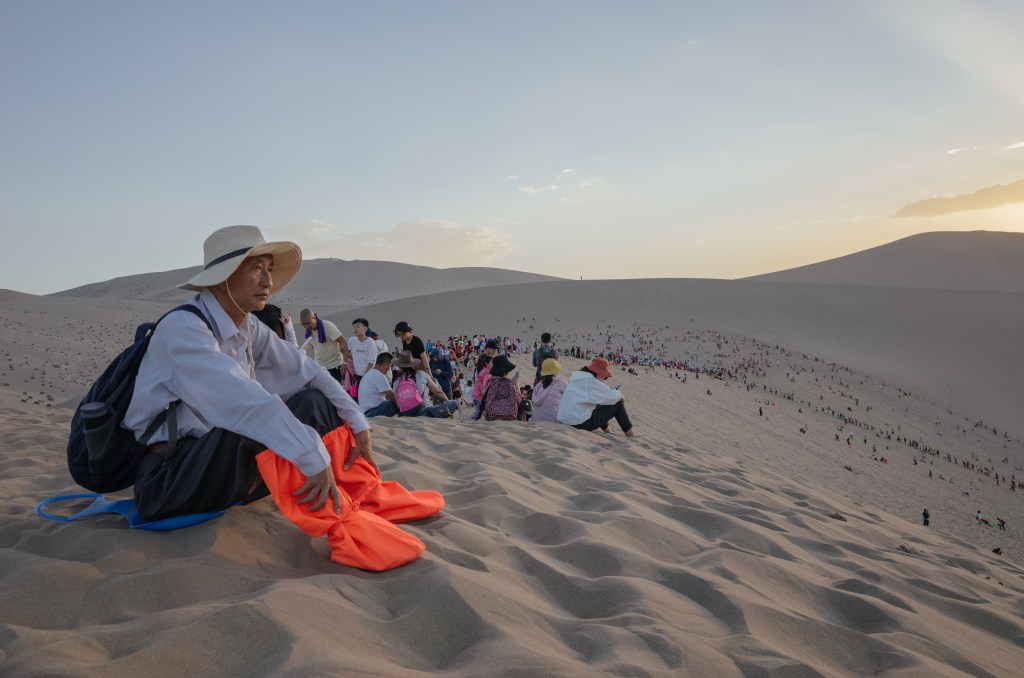
If the caves are about silence and darkness, the dunes outside Dunhuang are about light and exposure. The climb up the desert sand dunes is both simple and brutal: every step slides back half a step, the wind pushes grains into your face, and your legs burn long before the ridge.
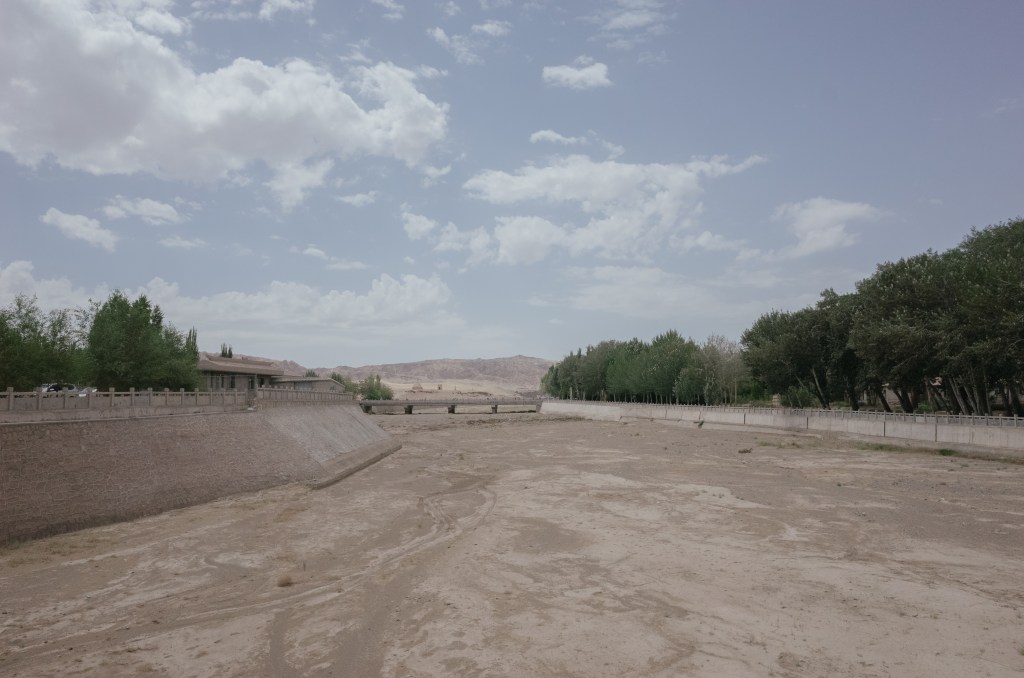
But the payoff at the top is real. From the crest you see the line between oasis and desert with startling clarity: the green of Dunhuang on one side, and on the other a rolling sea of sand that hints at the true scale of the Gobi beyond the tourist fences. In that moment, even though you are not truly alone in the wilderness, you still get a glimpse of that vastness you came looking for.
Final Thoughts
Dunhuang wasn’t what I expected — and that’s exactly what made it special. While the area around the Mogao Caves is more structured than I imagined, the depth of its history and the fascinating links between civilizations leave a powerful impression.
From ancient Gandharan artistic roots influencing the Buddhist art here to the vast sand dunes just beyond the city, Dunhuang is more than a travel destination — it’s a place where the movements of people, ideas, and cultures across continents become visible. And even if you can’t roam freely into every part of the desert, the encounters you do have here are profound and lasting.
-
Kashgar: A Gem on the Silk Road
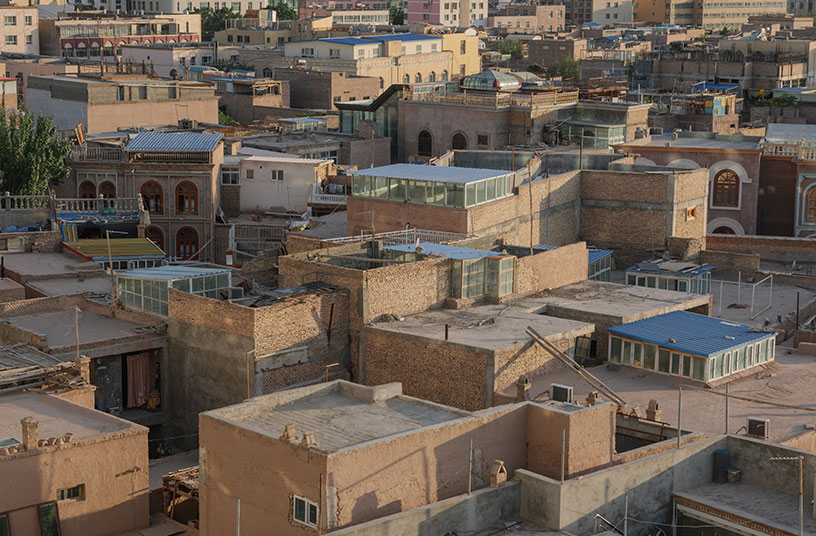
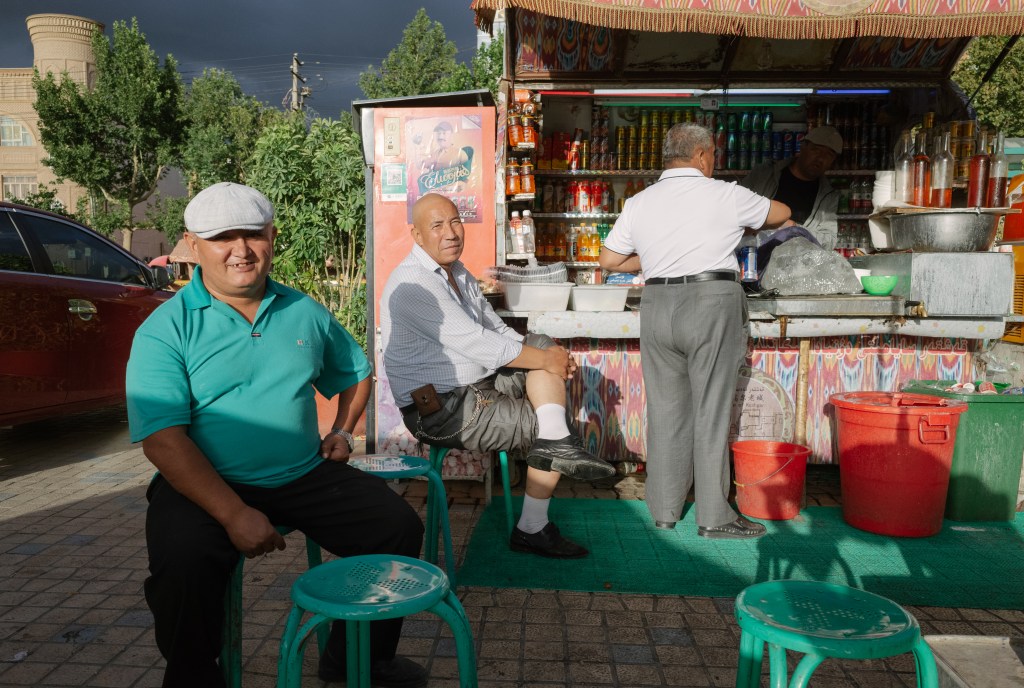
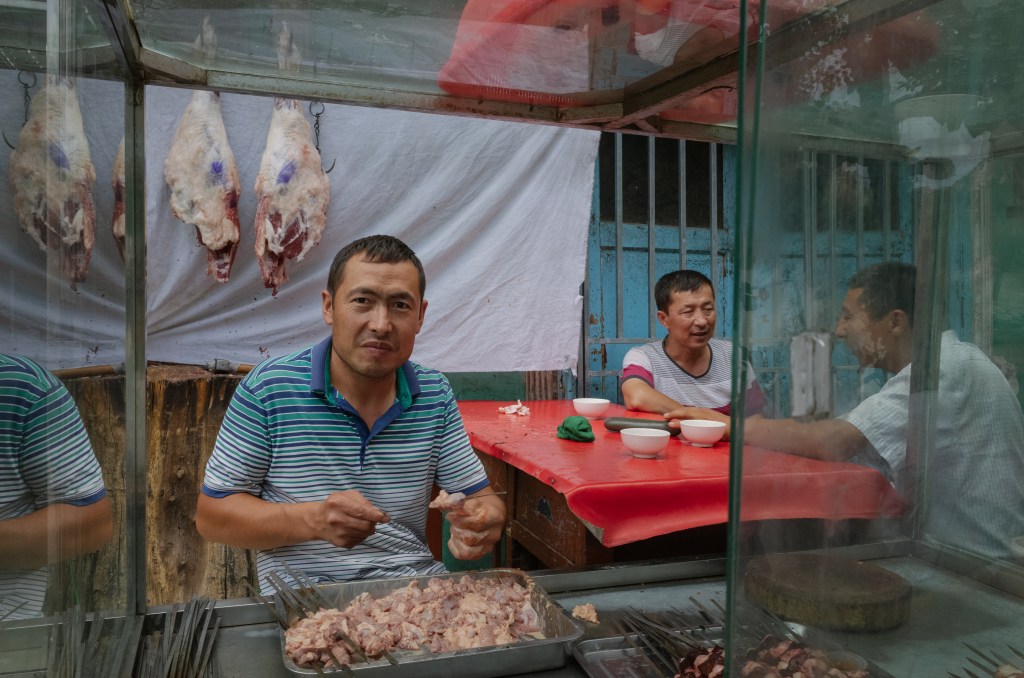
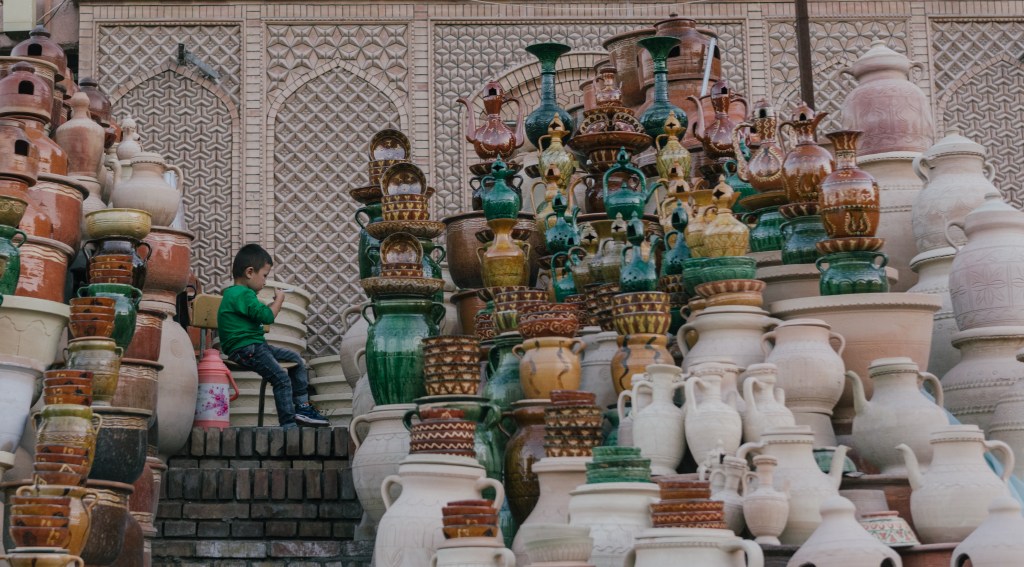
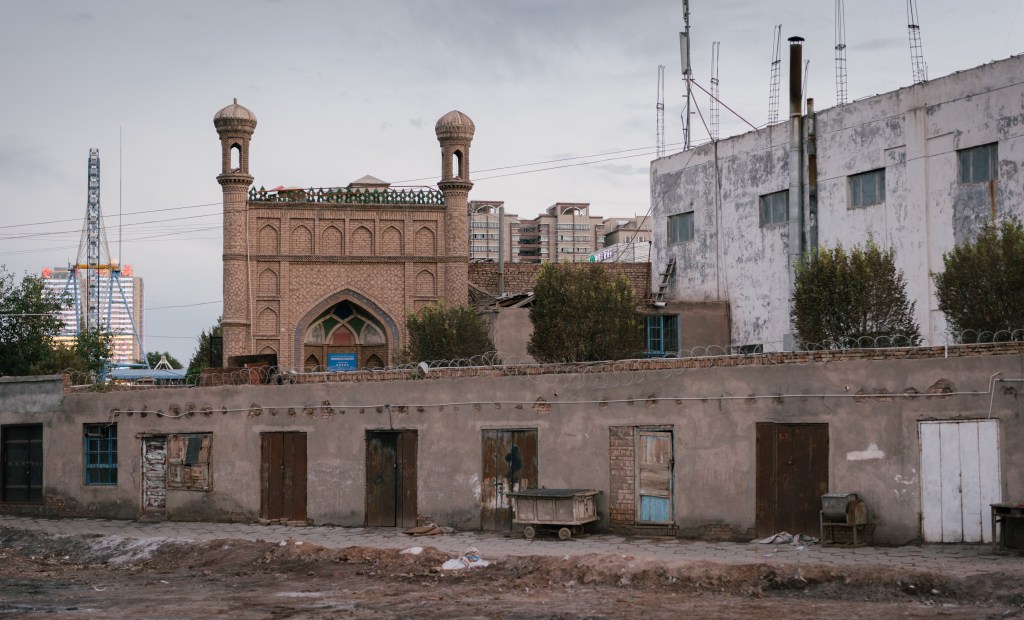
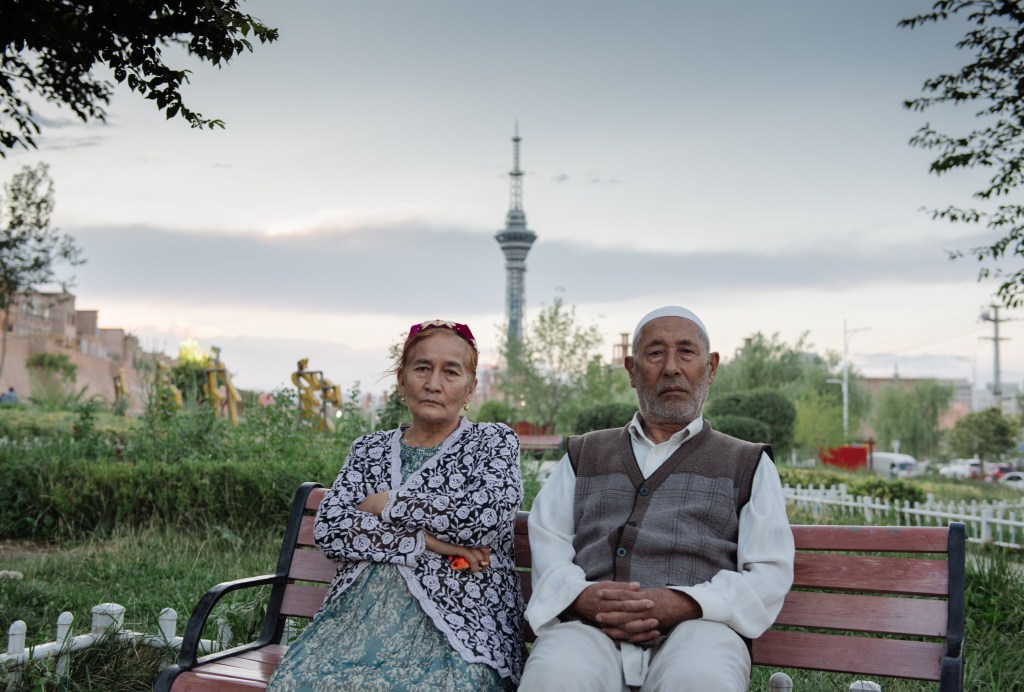
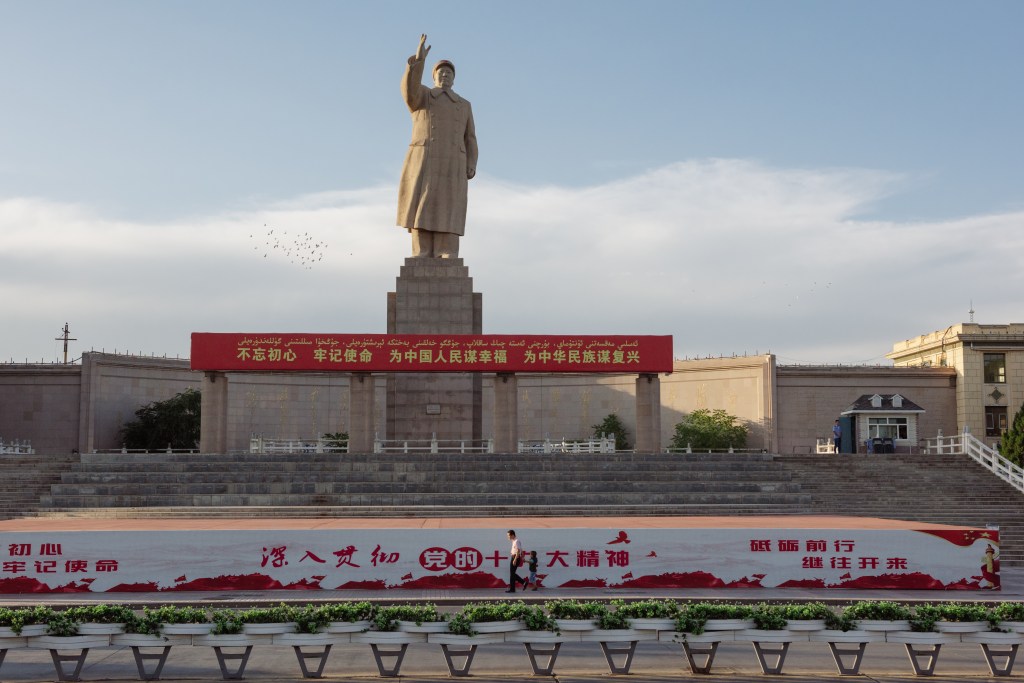
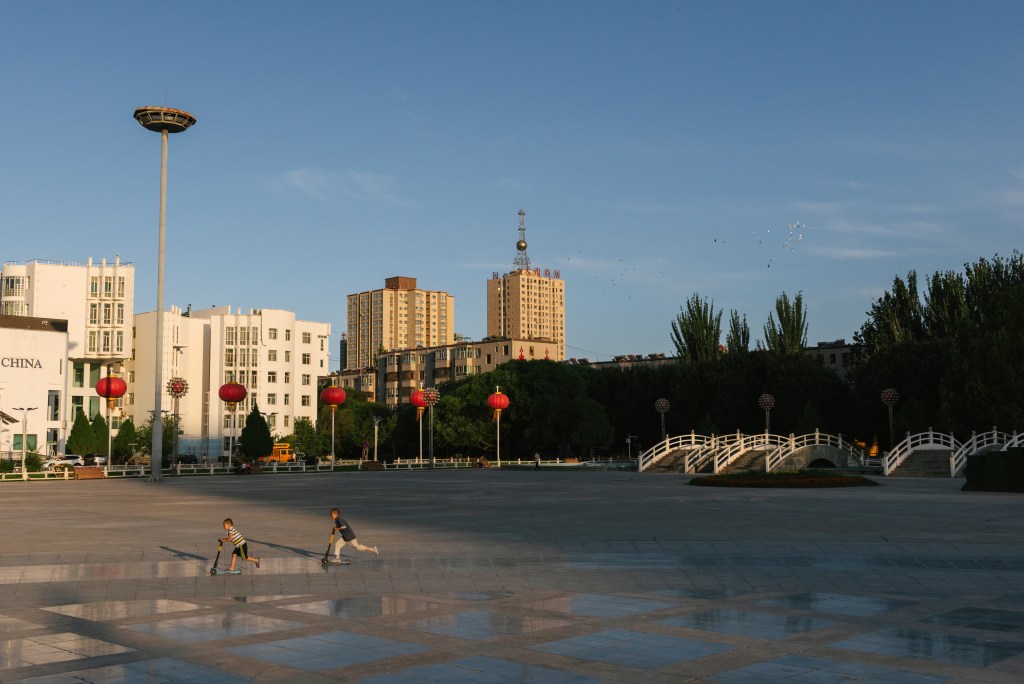
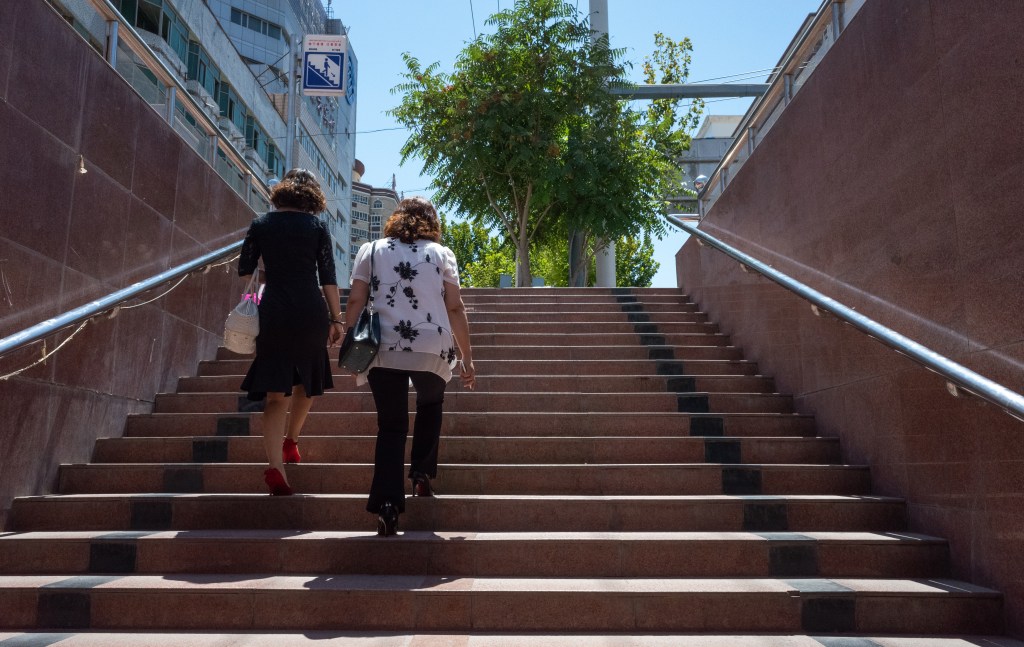
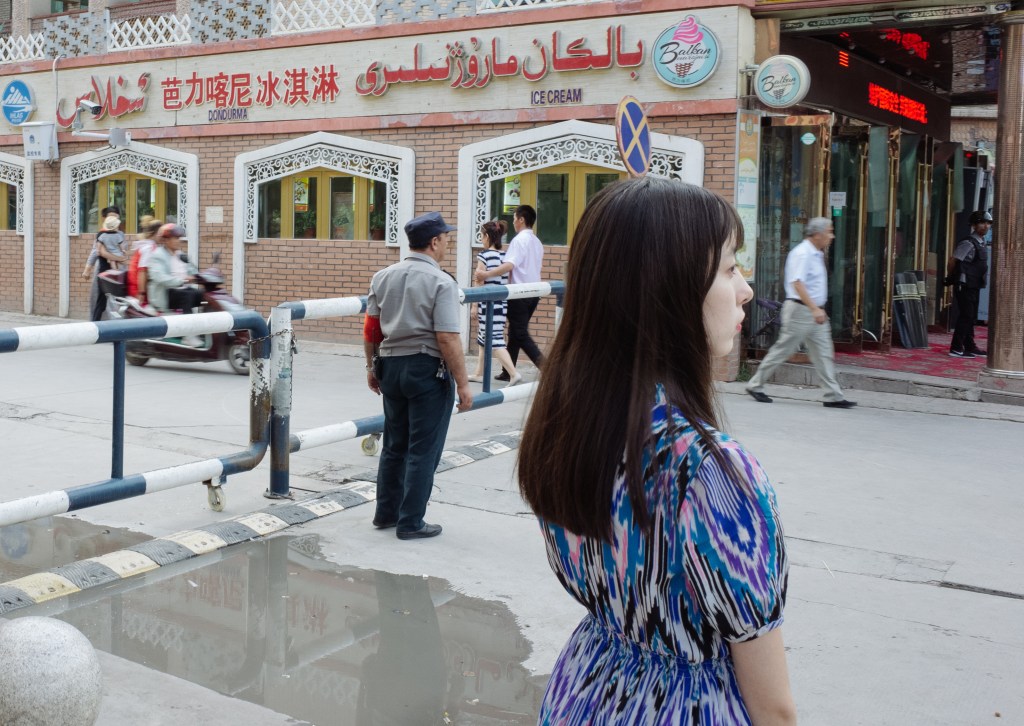
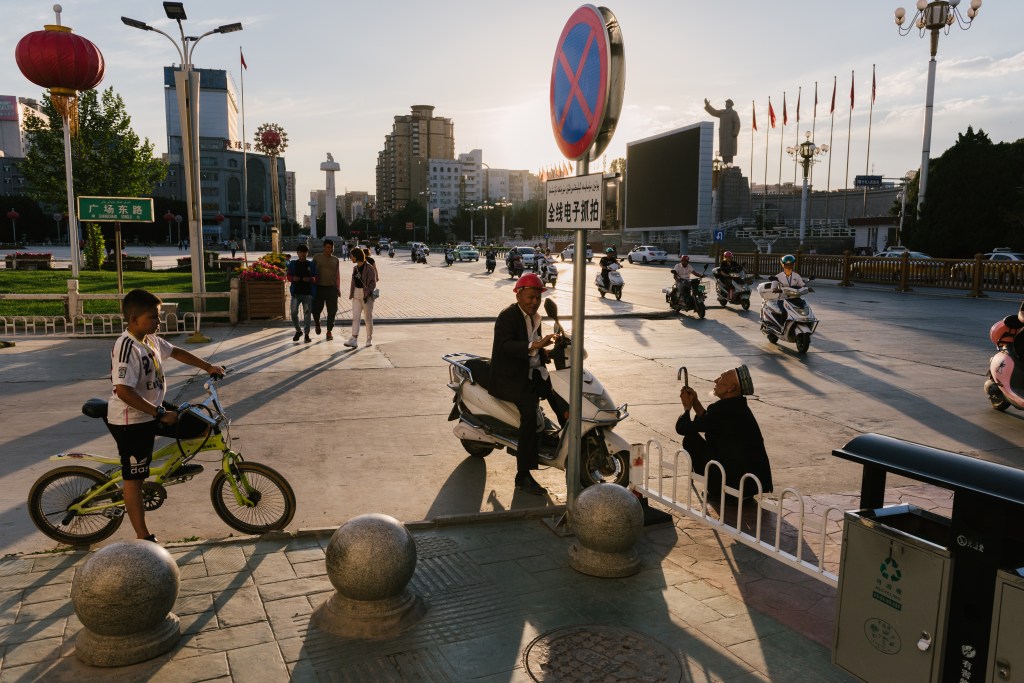
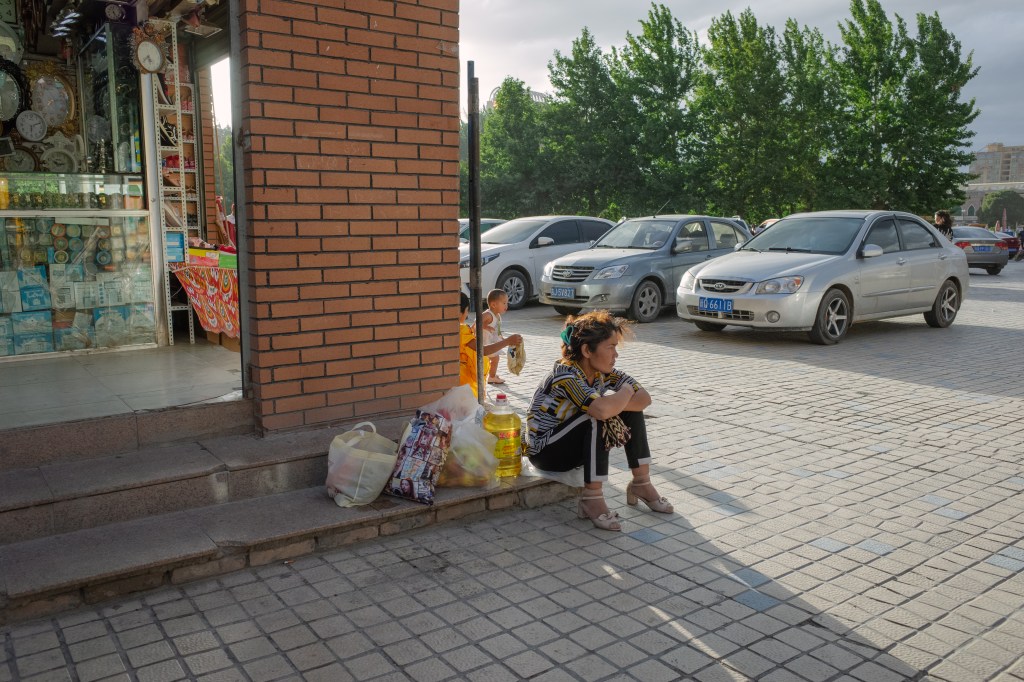
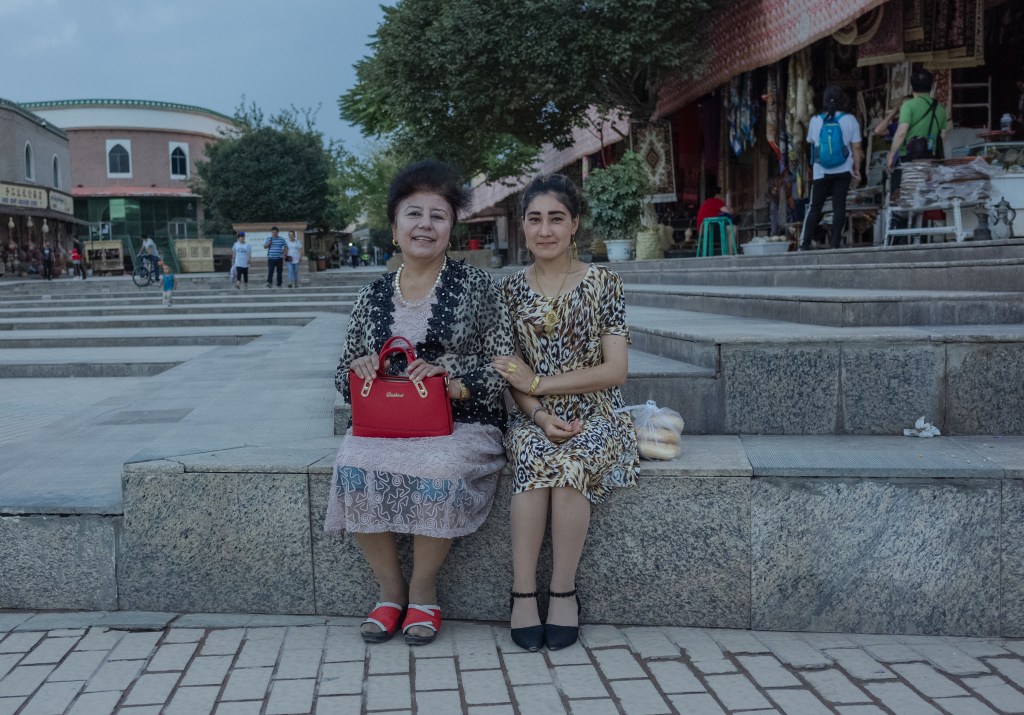
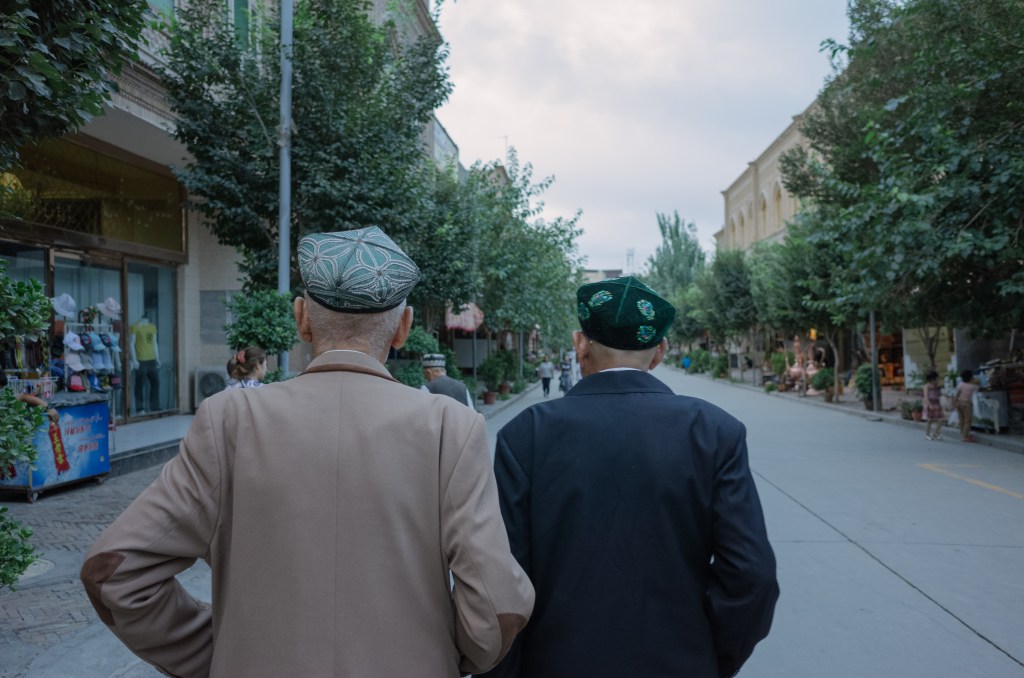
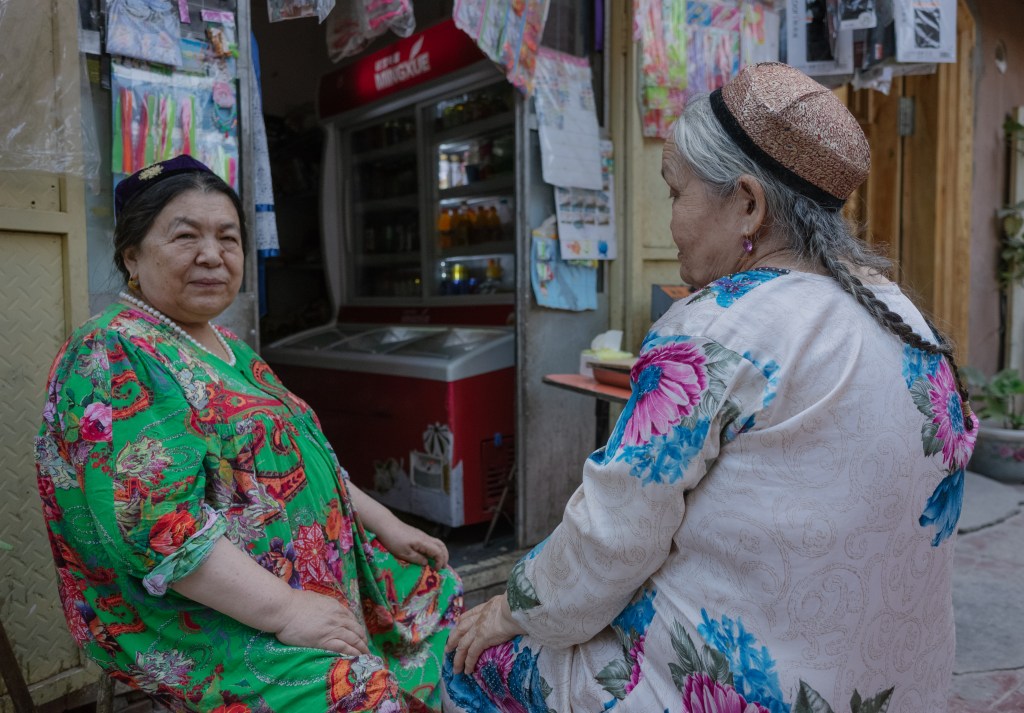
Kashgar, a city located in the westernmost province of China, is a cultural and historical gem on the ancient Silk Road. For centuries, it has been a crossroads of cultures and peoples, making it a fascinating destination for travelers seeking to immerse themselves in history, culture, and adventure.
Located in the Xinjiang Uygur Autonomous Region, Kashgar is known as the “Pearl of the Silk Road.” It was an important trading post on the ancient Silk Road, connecting China with Central Asia, the Middle East, and Europe. Today, it is still an important hub for trade and commerce, as well as a popular tourist destination.
As a traveler who loves to explore lesser-known destinations, I decided to venture to Kashgar, a city located in the westernmost province of China, and a cultural and historical gem on the ancient Silk Road. My journey to Kashgar was by road, via the Torugart Pass, which connects the Naryn region in Kyrgyzstan to Kashgar in China. The journey was an adventure in itself, and with all the checkpoints, it took me about 7 hours to arrive in Kashgar.
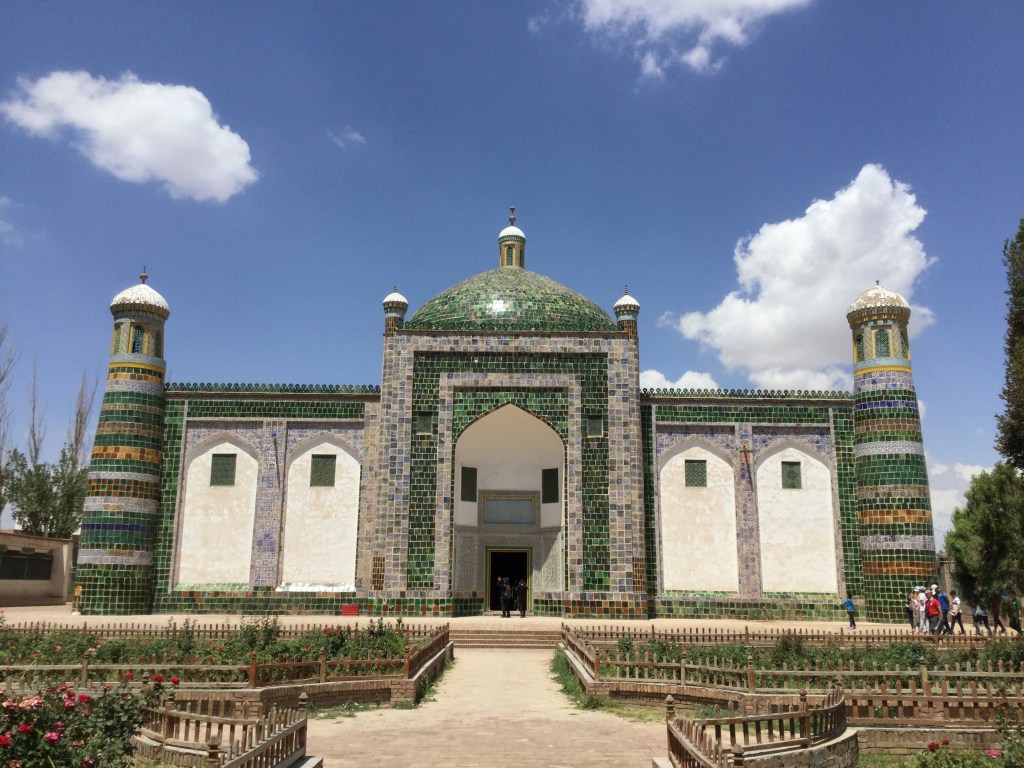
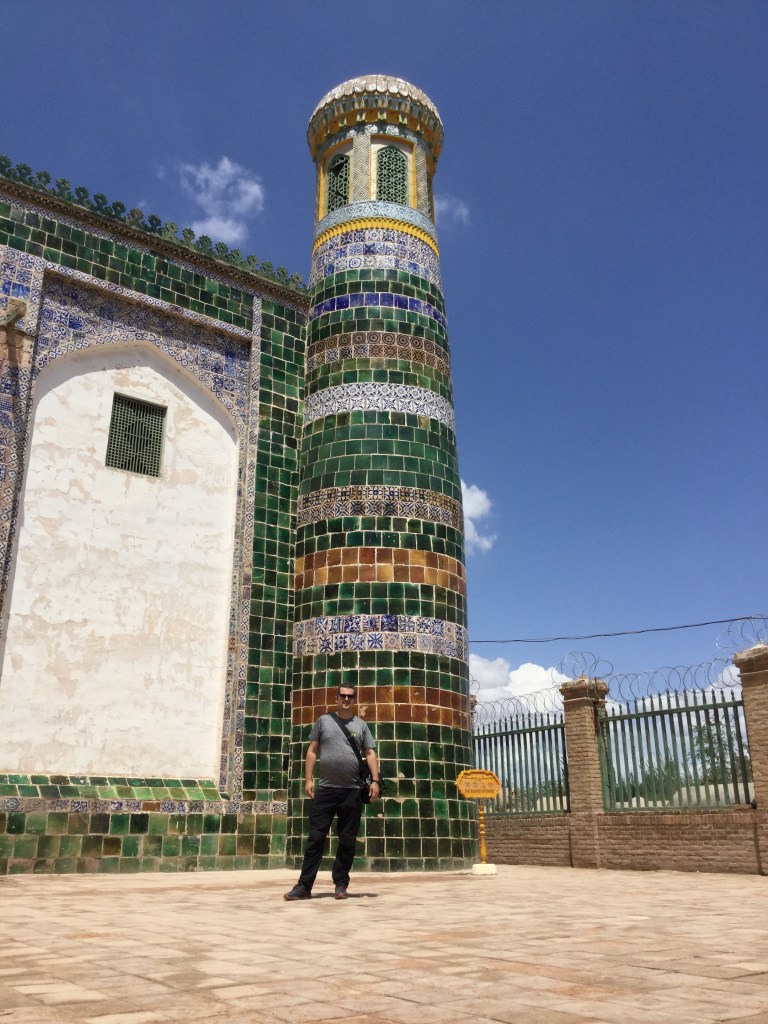
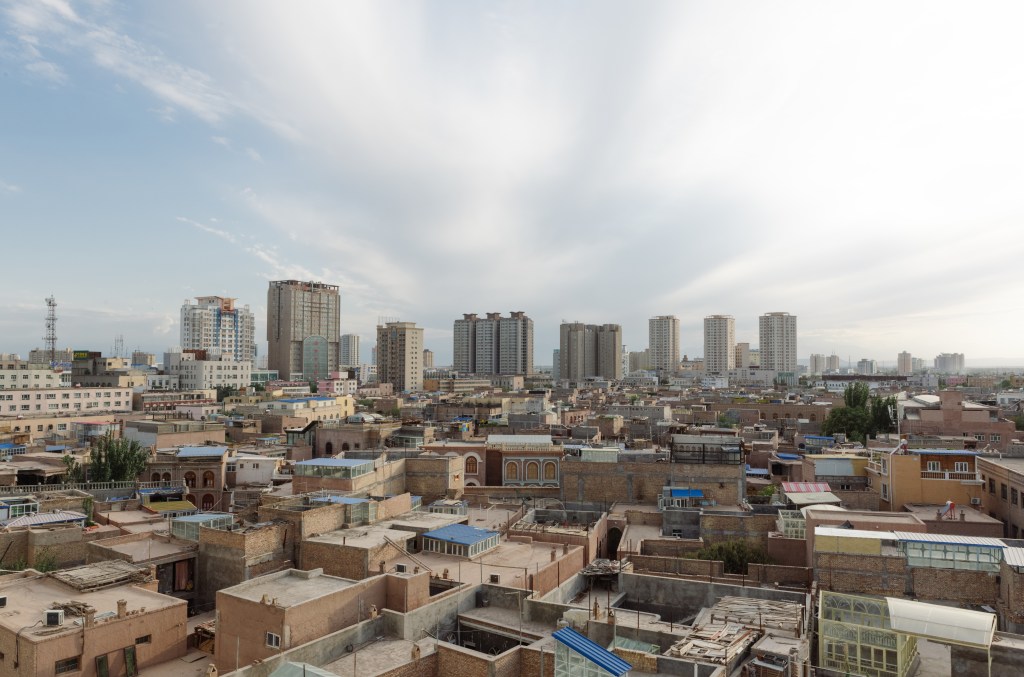
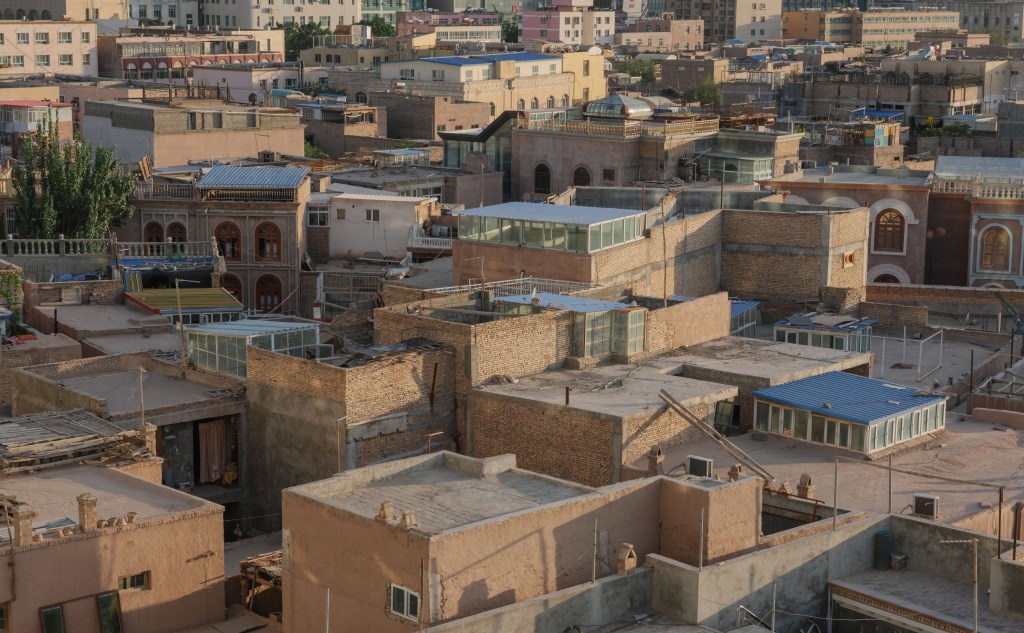
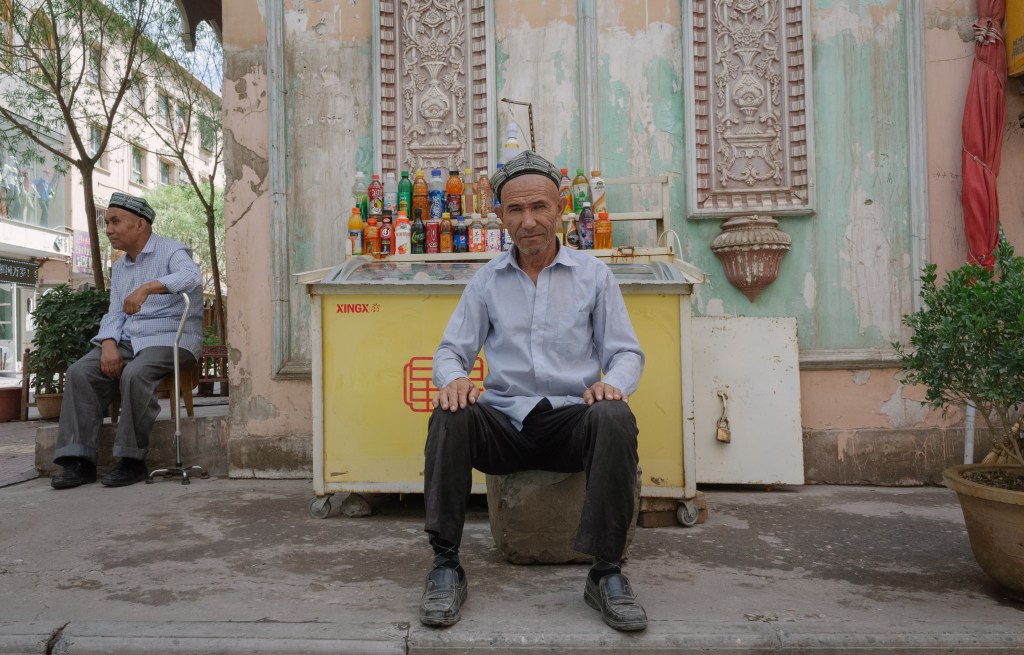
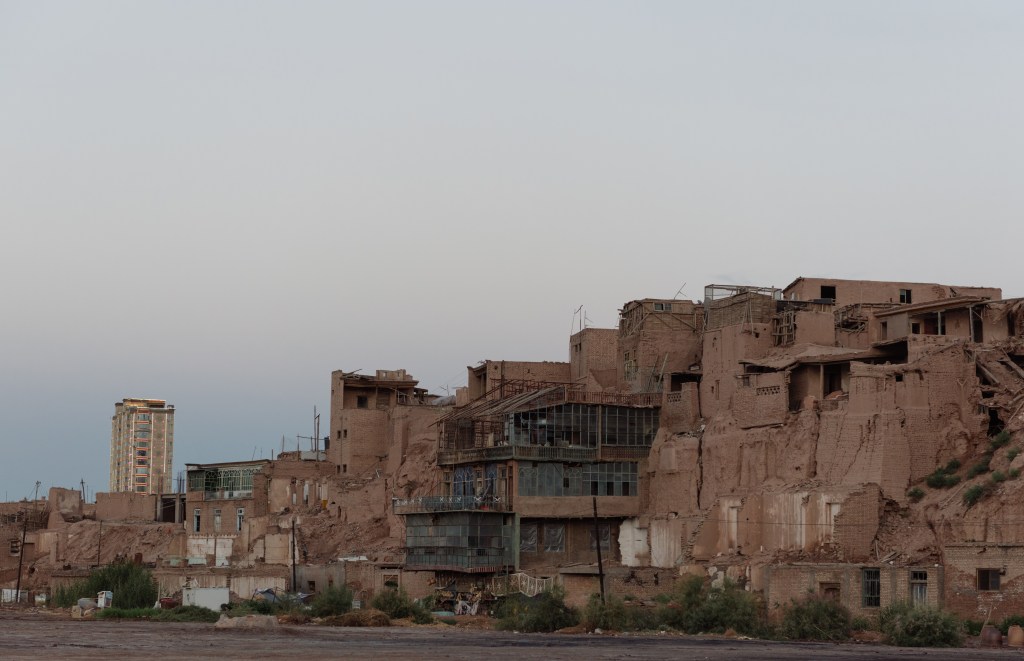
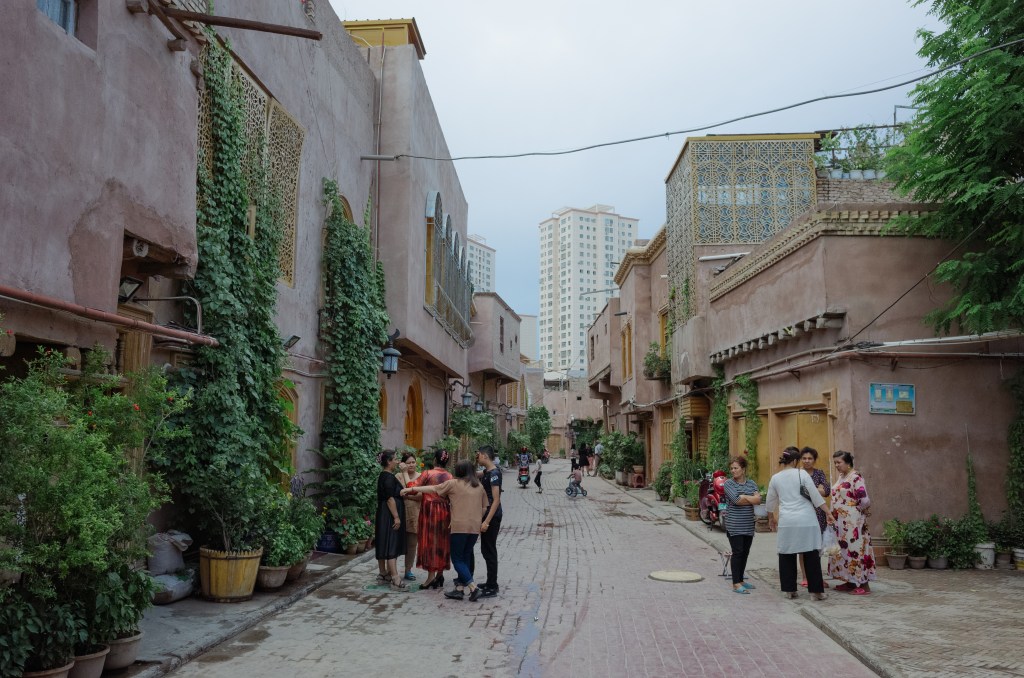
During my stay in Kashgar, I explored its rich history through its diverse architecture, which blends Chinese, Islamic, and Central Asian styles. I visited many historic sites, including the Id Kah Mosque, the largest mosque in China, and the Abakh Khoja Tomb, the holiest Muslim site in Xinjiang. The Kashgar Old Town was another fascinating destination, with its labyrinthine maze of narrow alleys, traditional courtyard houses, and bazaars selling everything from spices to silk.
One of the highlights of my trip was visiting the Animal Market, which is said to be one of the largest and most colourful markets in the world. Here, I witnessed vendors from all over the region selling their wares, including livestock, produce, clothing, and handicrafts. It was a unique experience to immerse myself in the sights, sounds, and smells of this bustling market, and even try some of the local delicacies.
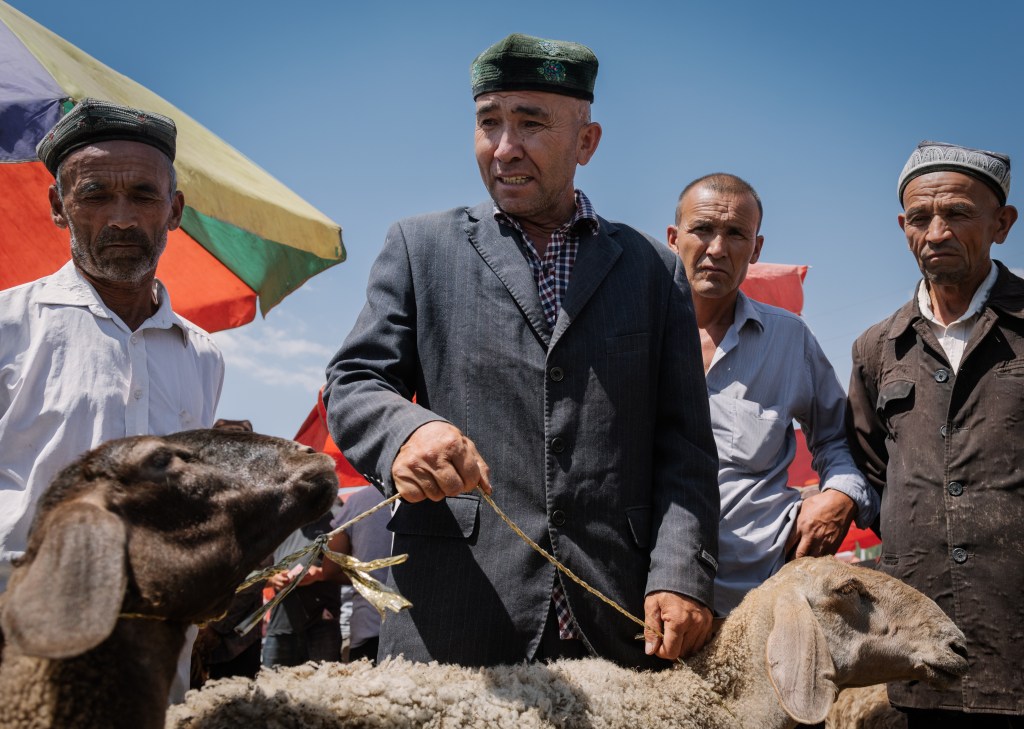
Another must-see attraction in Kashgar is the Karakoram Highway, one of the highest and most scenic roads in the world. I traveled along this highway, which stretches from Kashgar to Islamabad, Pakistan, and offers stunning views of snow-capped mountains, deep valleys, and rugged terrain.

For those seeking adventure, Kashgar offers plenty of opportunities for outdoor activities, including hiking, camping, and even skiing in the nearby Tian Shan Mountains. I visited the Karakul Lake, located about 200 kilometers from Kashgar, which was a popular destination for hiking and camping, and offers stunning views of the surrounding mountains and glaciers.
I spent seven days in Kashgar, which gave me enough time to explore the city and its surroundings thoroughly. Despite its remote location and lesser-known status, Kashgar is a destination that should be on every traveler’s bucket list. With its fascinating history, diverse architecture, bustling markets, and stunning natural beauty, Kashgar truly is a gem on the Silk Road.













-
Exploring the Naryn Region and visiting Tash Rabat
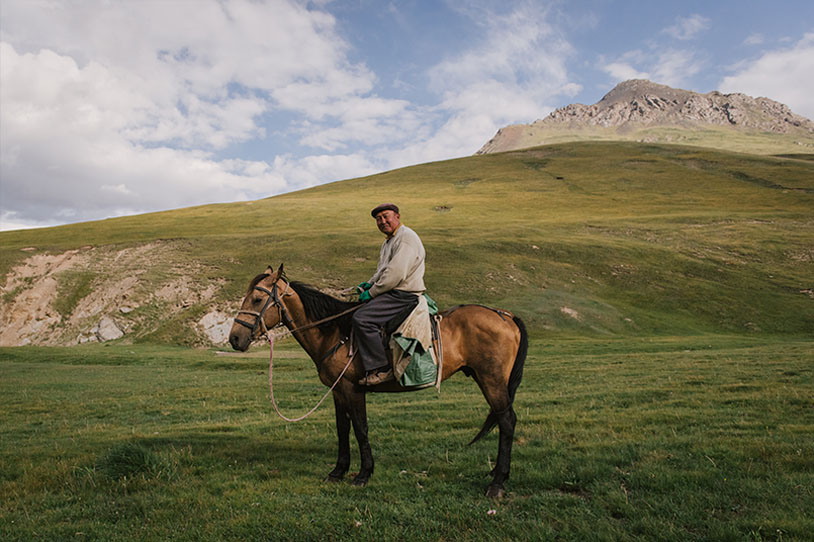
As a photographer, I highly recommend visiting the Naryn Region of Kyrgyzstan as it is a dream destination that offers a variety of breathtaking landscapes. The region boasts of lush green valleys, rugged mountains, and pristine lakes, making it an ideal place to capture stunning images that will leave you with unforgettable memories.
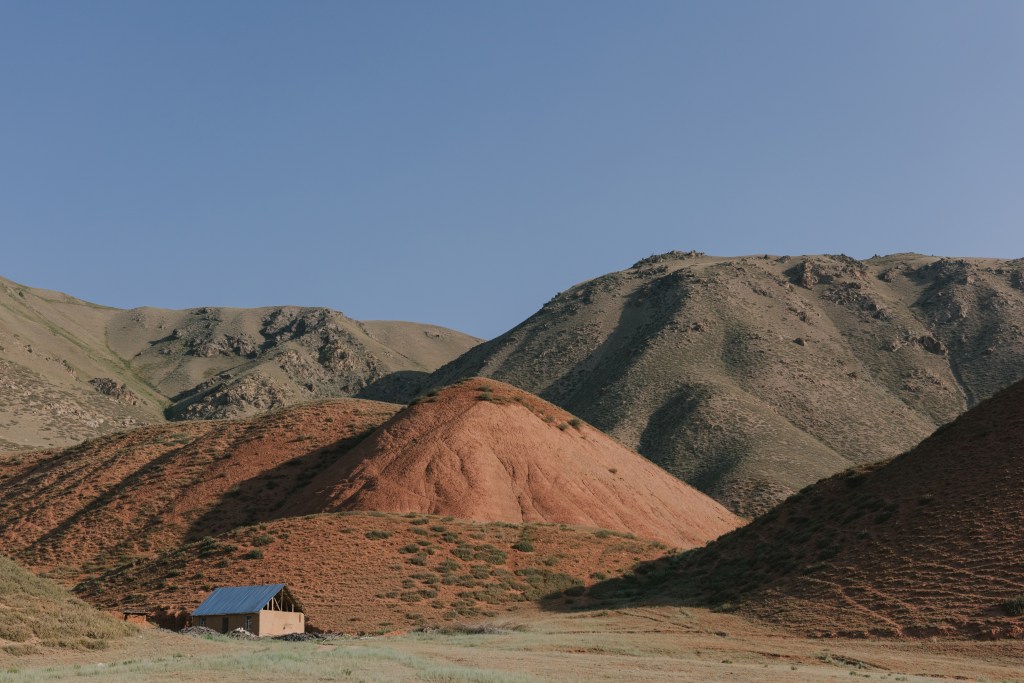

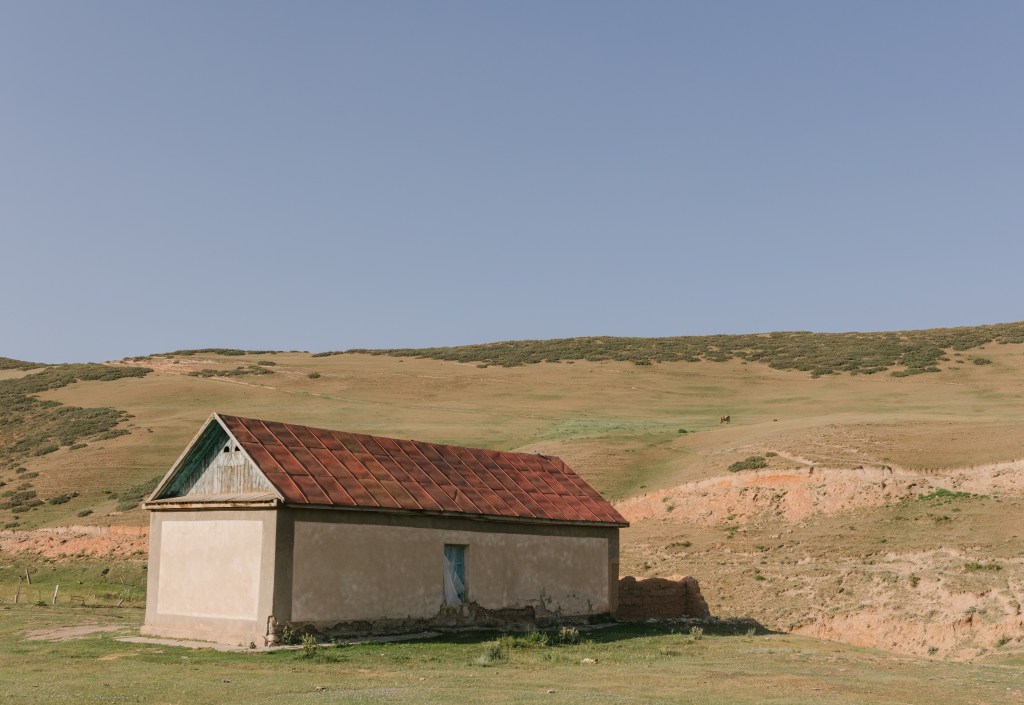
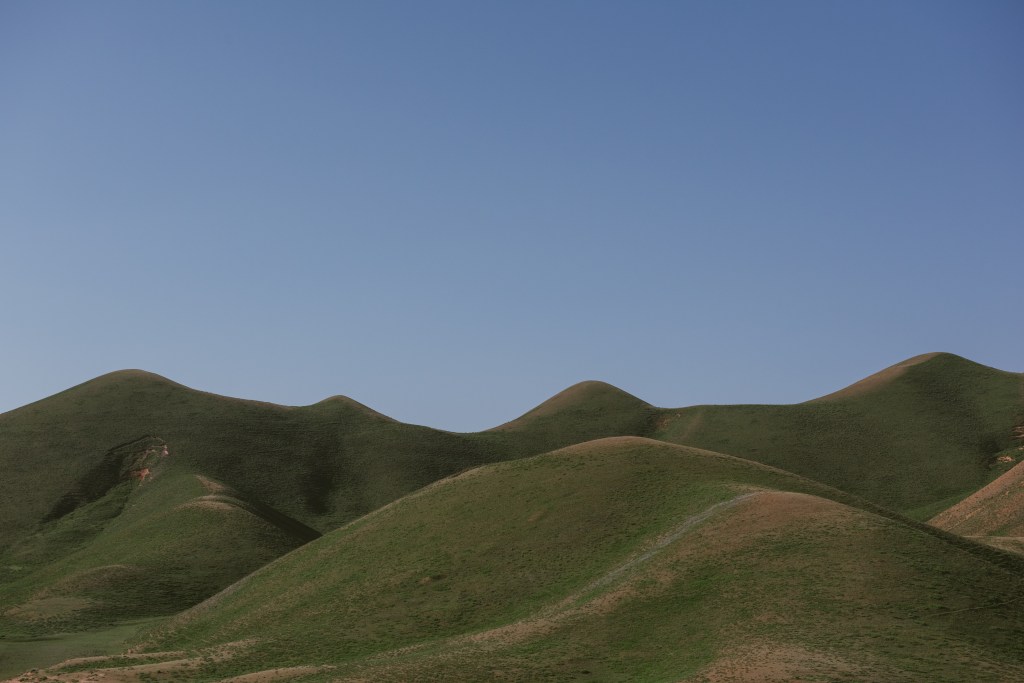
Another fantastic opportunity to photograph in the Naryn Region is the traditional nomadic lifestyle of the Kyrgyz people. I visited several traditional yurt settlements and captured images of the nomadic way of life and the traditional customs of the Kyrgyz people. I was also lucky enough to sleep in a yurt, which allowed me to experience the nomads’ traditional way of life.

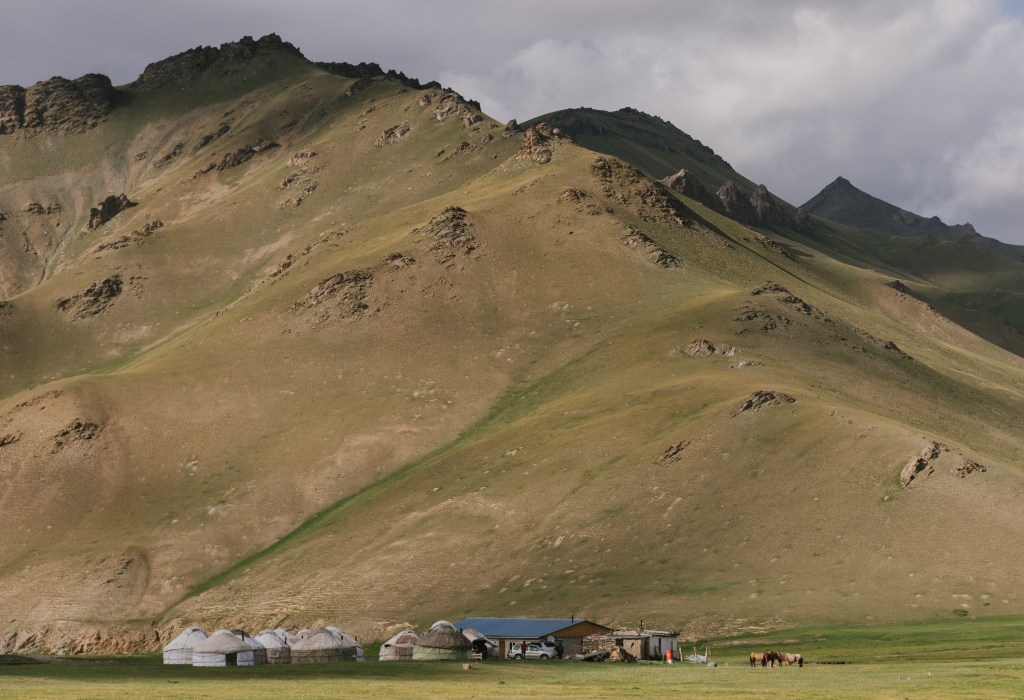
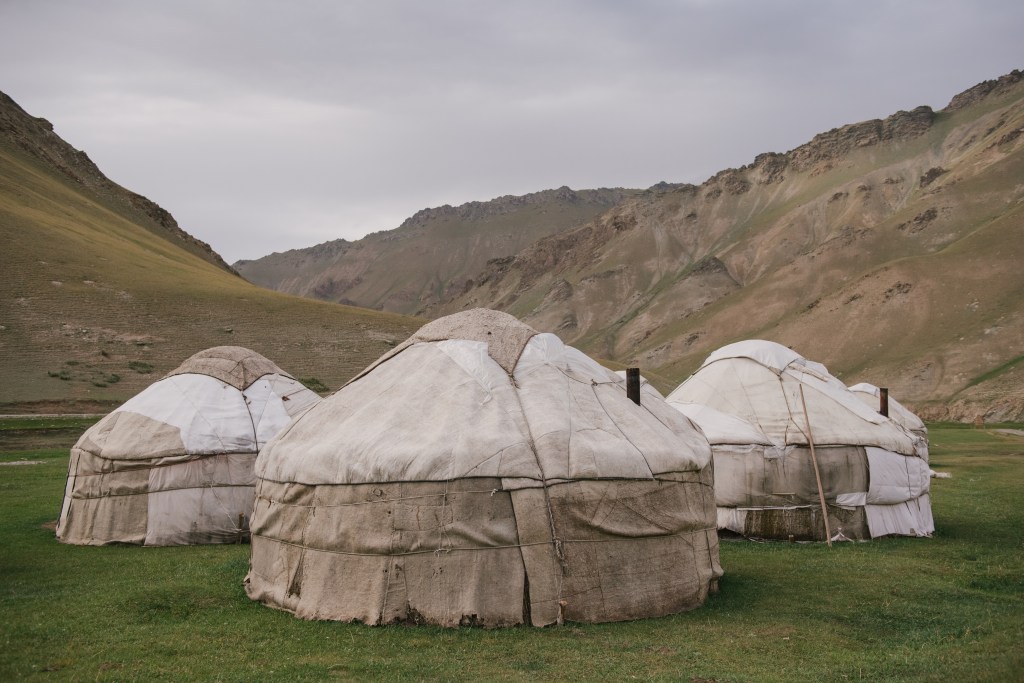
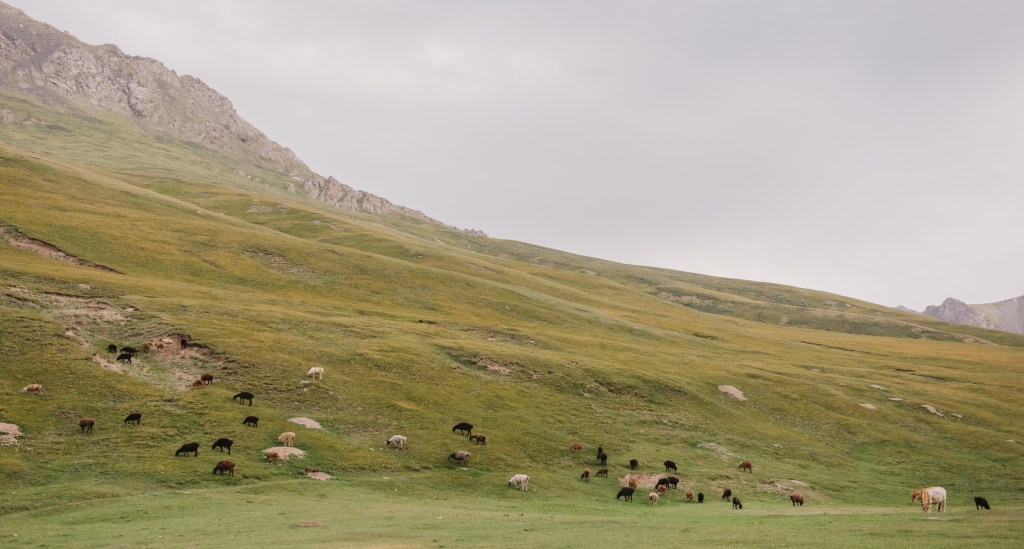
One of the most unique cultural sites to visit in the Naryn Region is Tash Rabat, an ancient stone caravanserai that is a UNESCO World Heritage Site. The site is a significant historical monument dating back to the 15th century and offers an excellent opportunity to capture images of the traditional architecture and stunning mountain landscapes surrounding it.
I would love to include that during my visit to the Naryn Region, I found the Kyrgyz people to be incredibly welcoming and hospitable. They were happy to share their traditional way of life with me and allowed me to capture images of their culture and customs. I was particularly moved by my visit to the graves in the villages, where I witnessed the local people’s deep respect for their ancestors and their cultural heritage. It was a humbling experience to see the Kyrgyz people’s rich history and traditions, and I am grateful for their warm hospitality during my stay in the region.
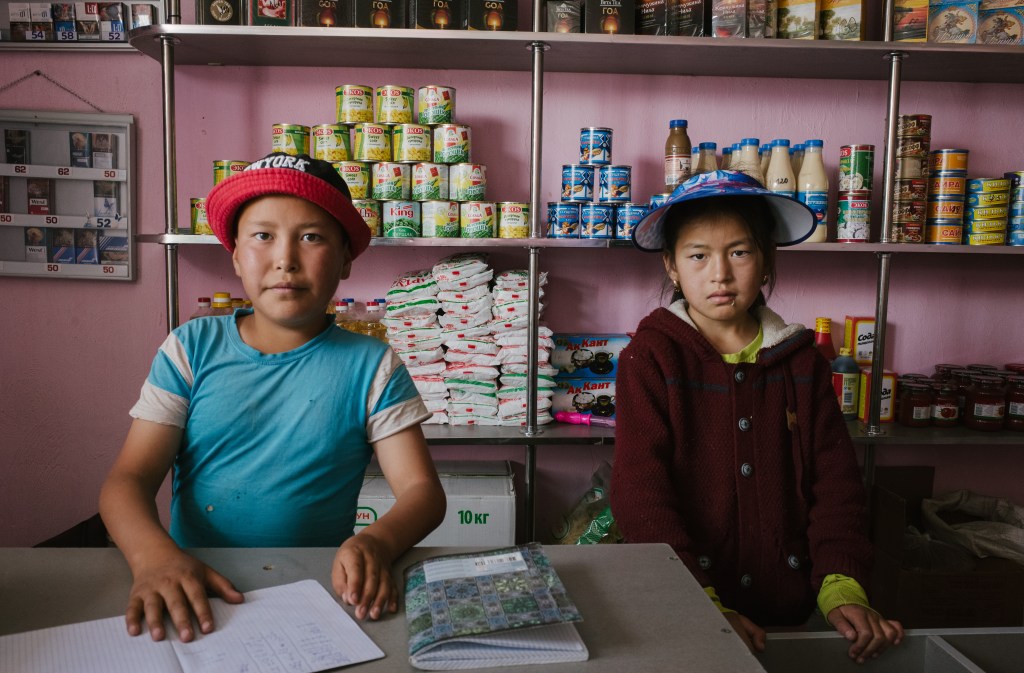
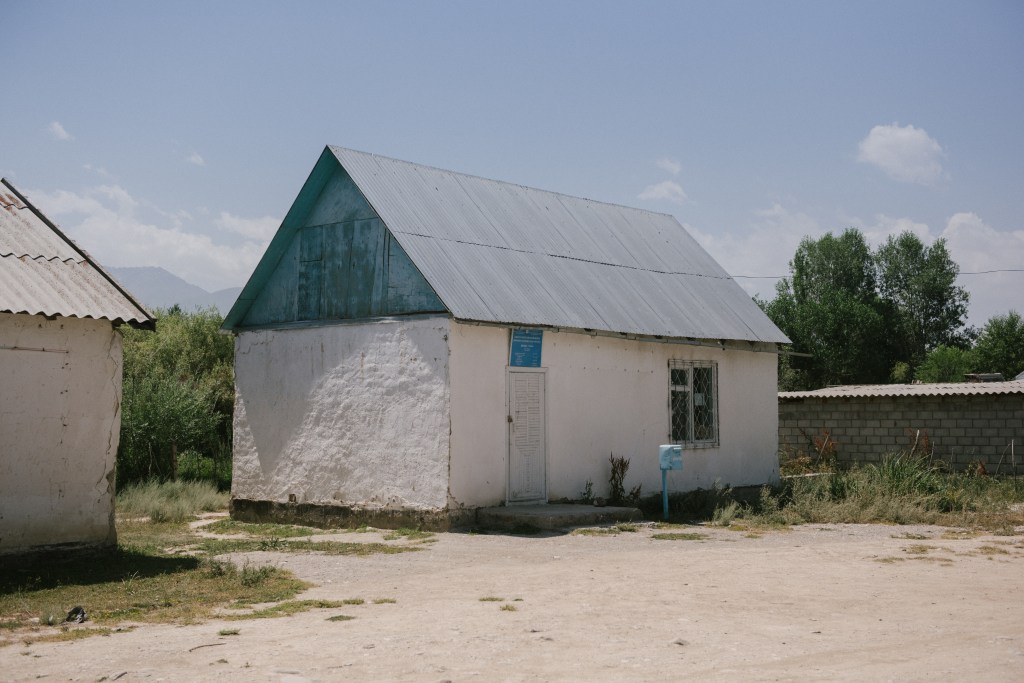
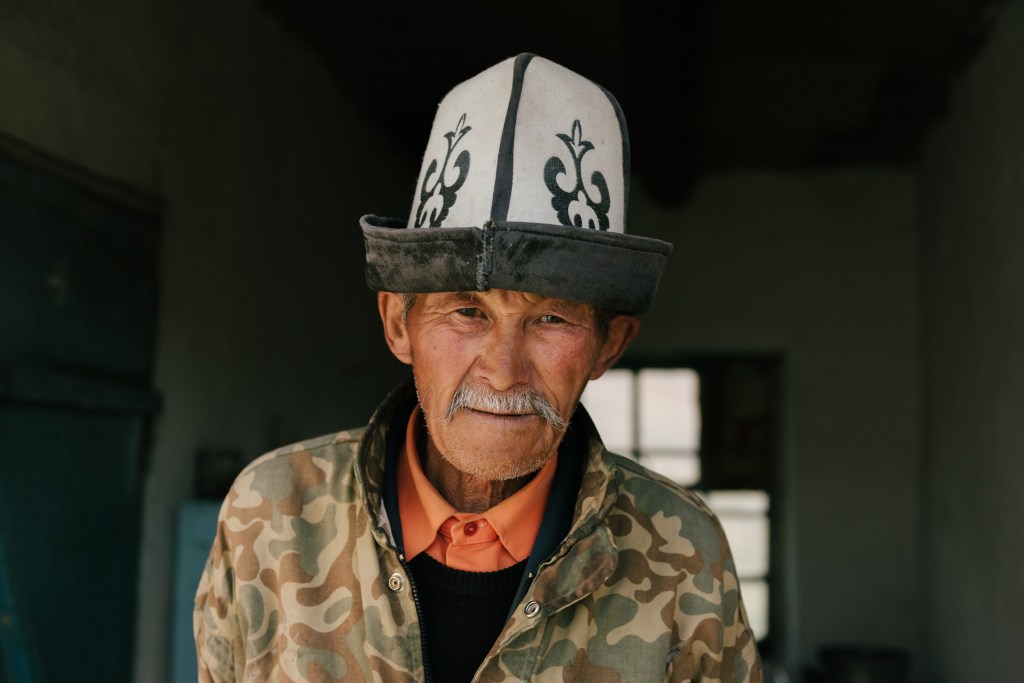
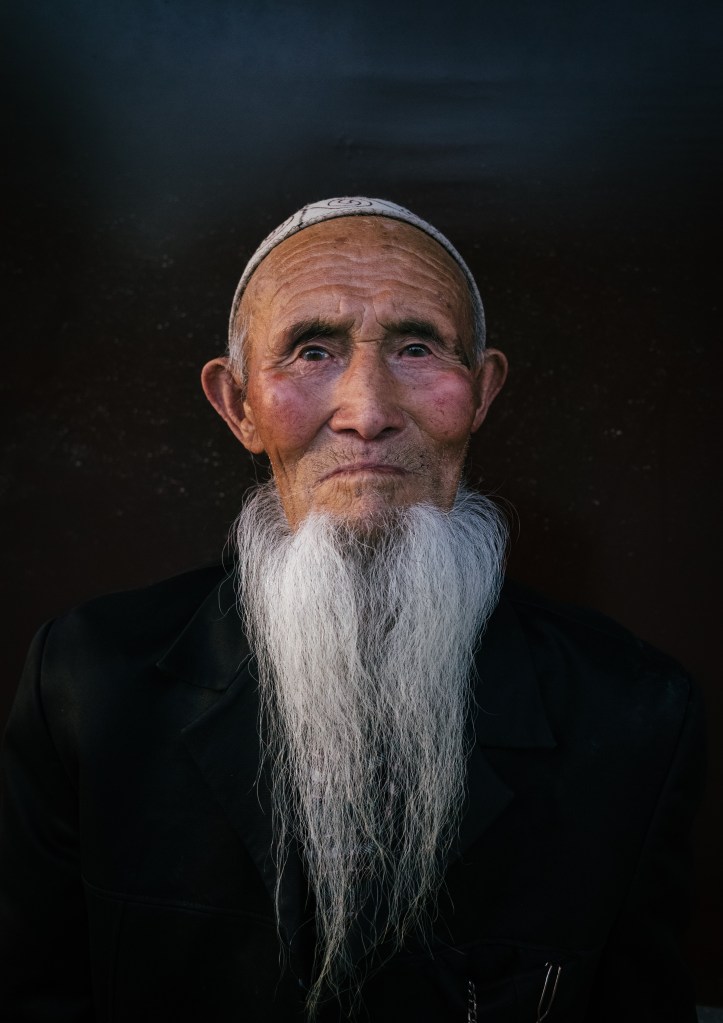

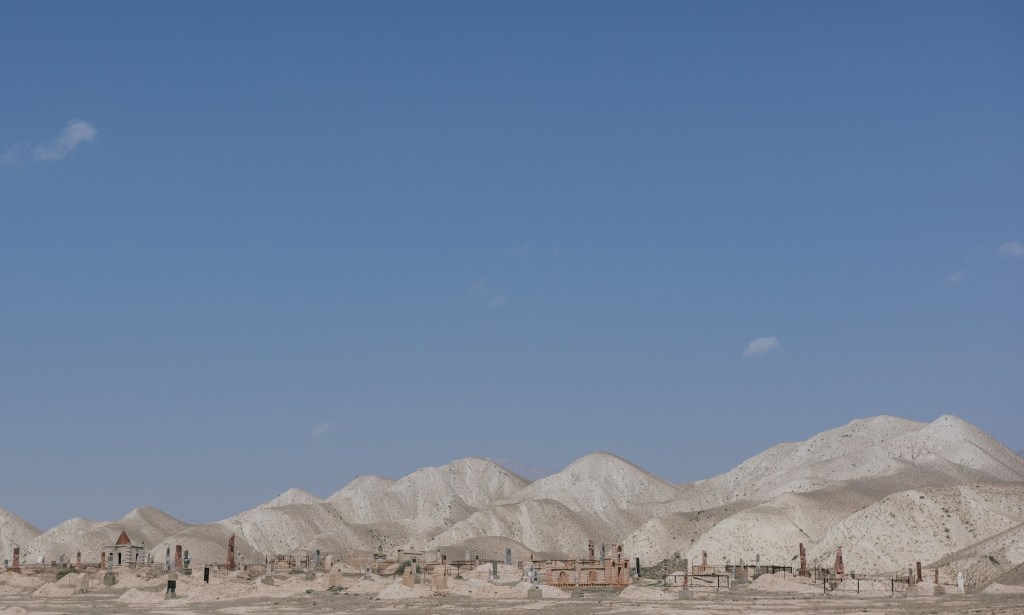

In summary, the Naryn Region of Kyrgyzstan is a photographer’s paradise, offering a wide range of photographic possibilities. The stunning natural landscapes, traditional nomadic lifestyle, ancient monuments, and historical landmarks make it a perfect place to explore and capture unforgettable memories and images. Whether you are a professional photographer or an amateur with a passion for photography and adventure, the Naryn Region is a must-visit destination.


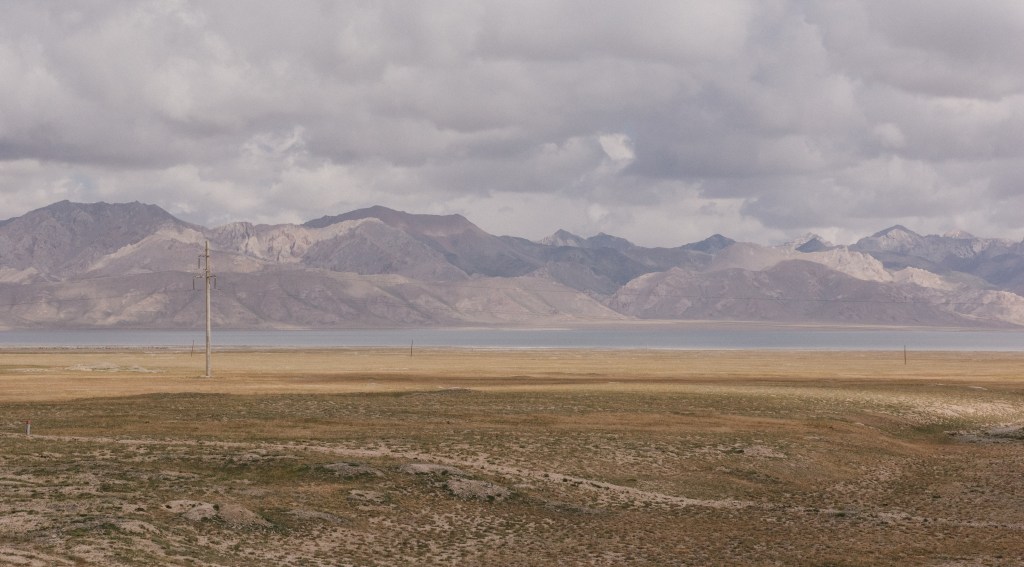

After exploring the Naryn Region, I crossed the Torugart Pass into China. It was an exciting adventure, and I was thrilled to capture images of the rugged mountain landscapes and traditional customs of the local people in China as well. The Torugart Pass was a unique experience, and it was fascinating to see how the landscape and culture changed as I crossed the border. Overall, my trip to the Naryn Region and crossing the Torugart Pass was an unforgettable experience that allowed me to capture stunning images and create long-lasting memories.
Certainly! I would be happy to include that during my trip to the Naryn Region and crossing the Torugart Pass into China, I created a YouTube video to document my experiences and share the beauty of the region with others. It was an exciting project, and I hope that my video will inspire others to visit this incredible part of the world and capture their own stunning images. The Naryn Region and the Torugart Pass are truly special places, and I am grateful for the opportunity to share my experience through my YouTube channel.
-
Visiting the second-largest alpine Lake in the world
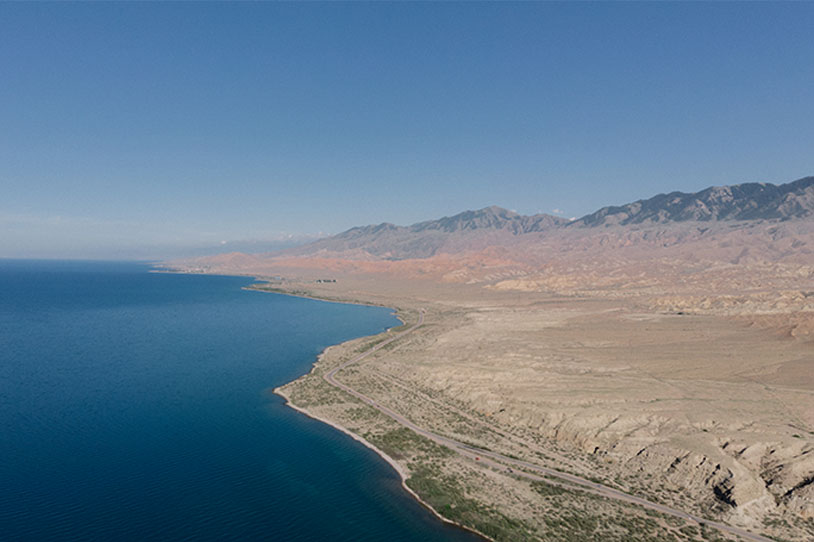
As a traveler and photographer, discovering hidden gems is always a thrill, and Issyk-Kul lake in Kyrgyzstan is one such gem. I had the pleasure of visiting this stunning lake, located in the Tian Shan mountains, with the help of a knowledgeable guide named Vadim. Thanks to his expertise, I was able to explore the area around the lake and discover some truly remarkable photographic opportunities.
One of the most striking features of Issyk-Kul is the sheer size of the lake. It’s the second-largest alpine lake in the world, and the water is a deep shade of blue that is simply breathtaking. The surrounding mountains provide a stunning backdrop and offer opportunities to capture sweeping vistas of the lake and its surroundings. With Vadim’s help, I was able to find several vantage points that provided the perfect perspective for capturing these views.
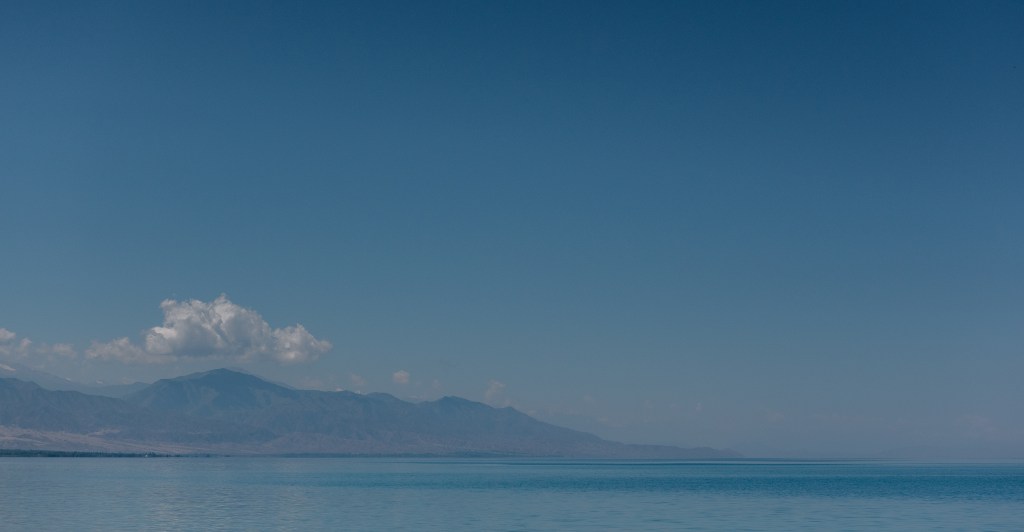
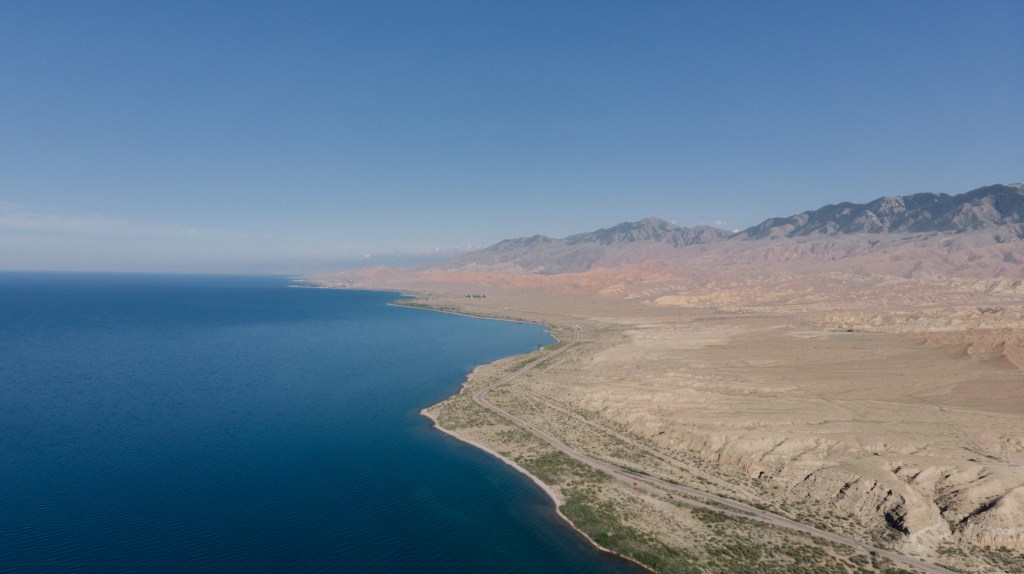
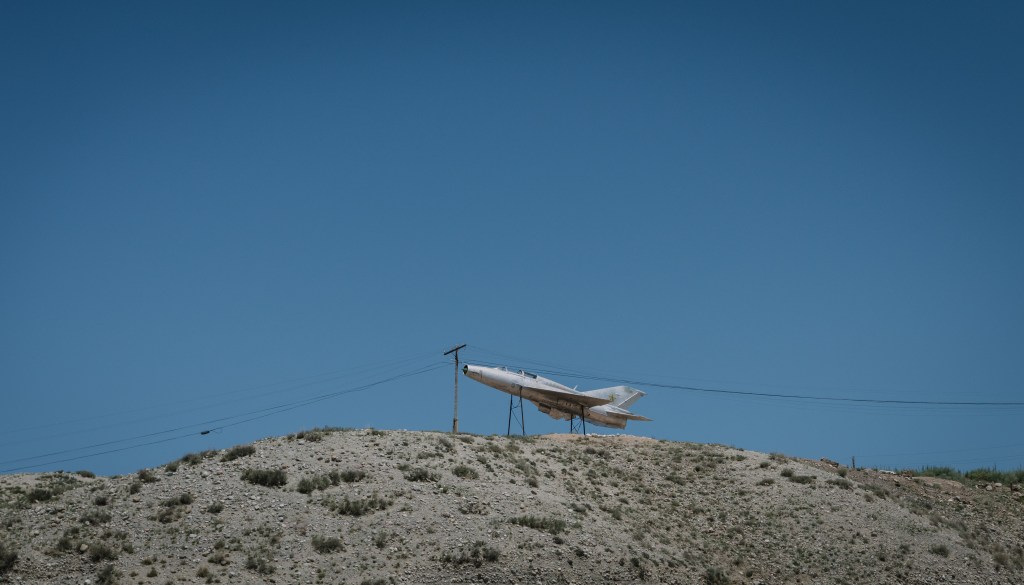

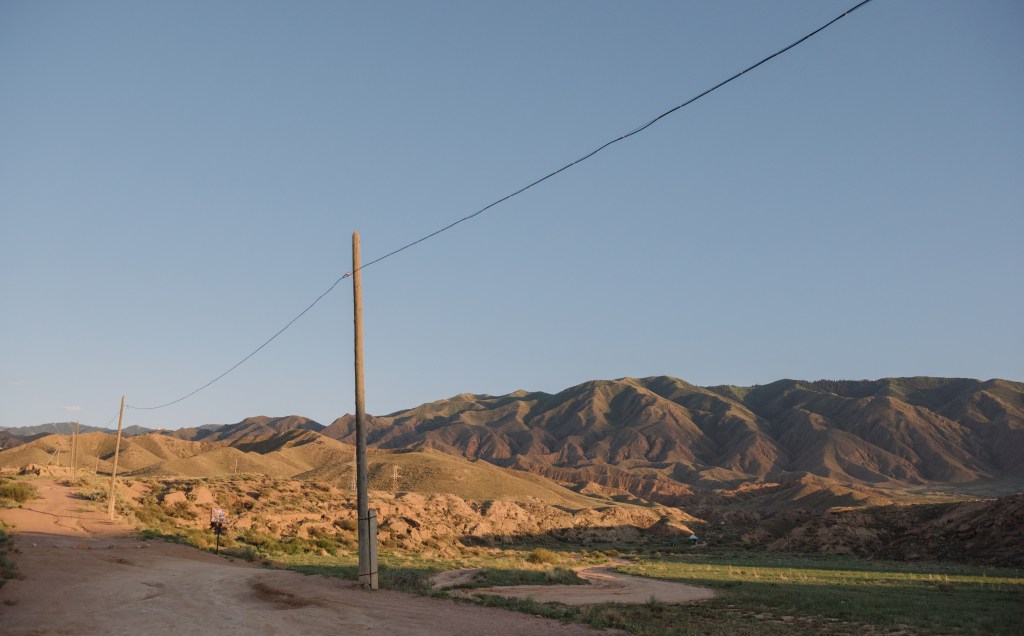

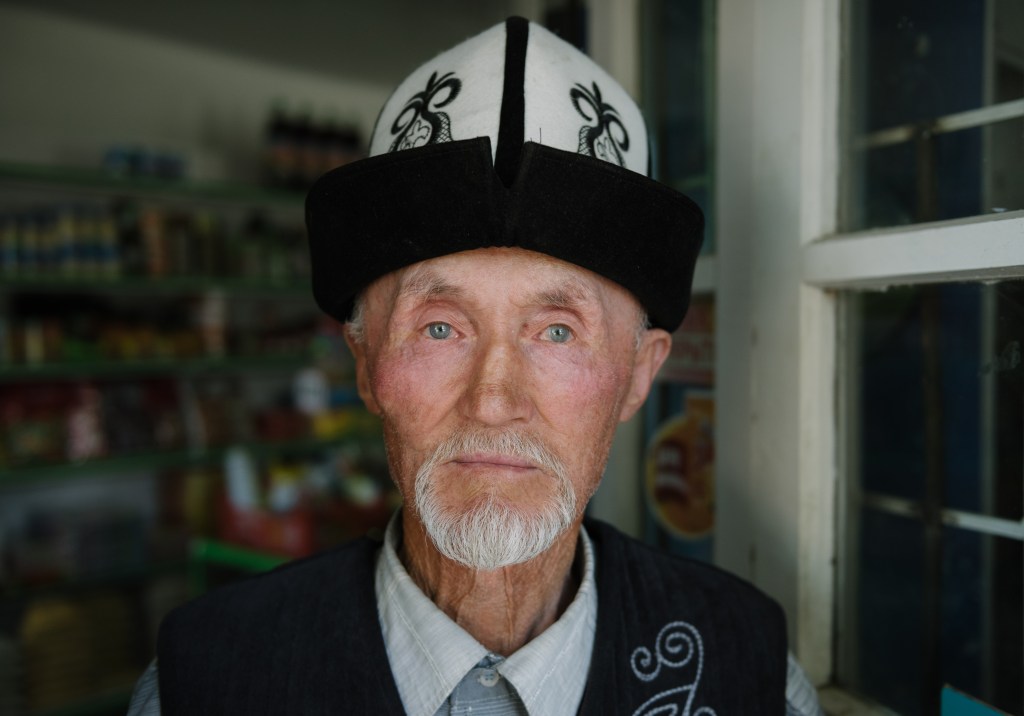
Beyond the lake itself, there is also an abundance of natural beauty to explore in the area around Issyk-Kul. Vadim helped me discover some hidden lush valleys and rugged mountain passes that were absolutely stunning. He also introduced me to local Eagle Hunters, a group of Kyrgyz people who have practiced the ancient art of eagle hunting for centuries. This unique cultural practice was a truly fascinating subject to photograph, and I was grateful for Vadim’s connections that allowed me to witness it up close.
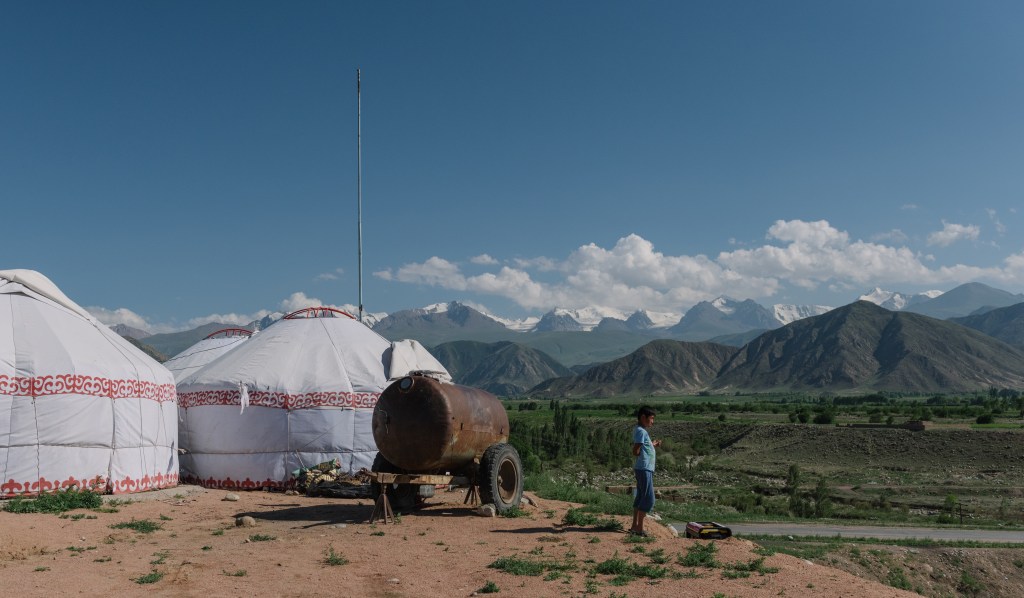
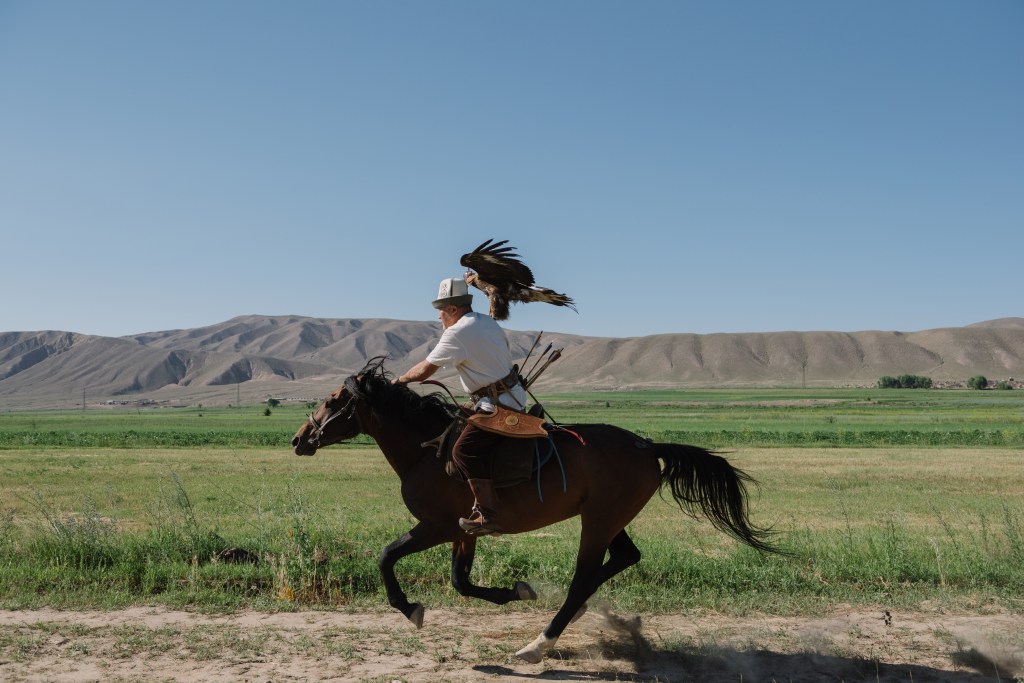
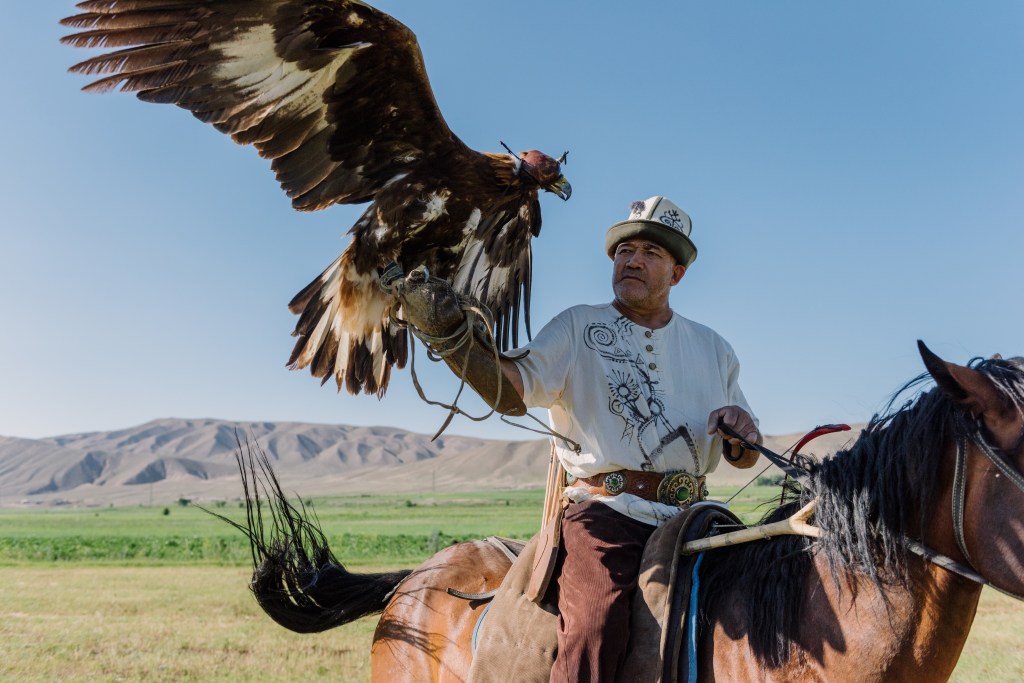
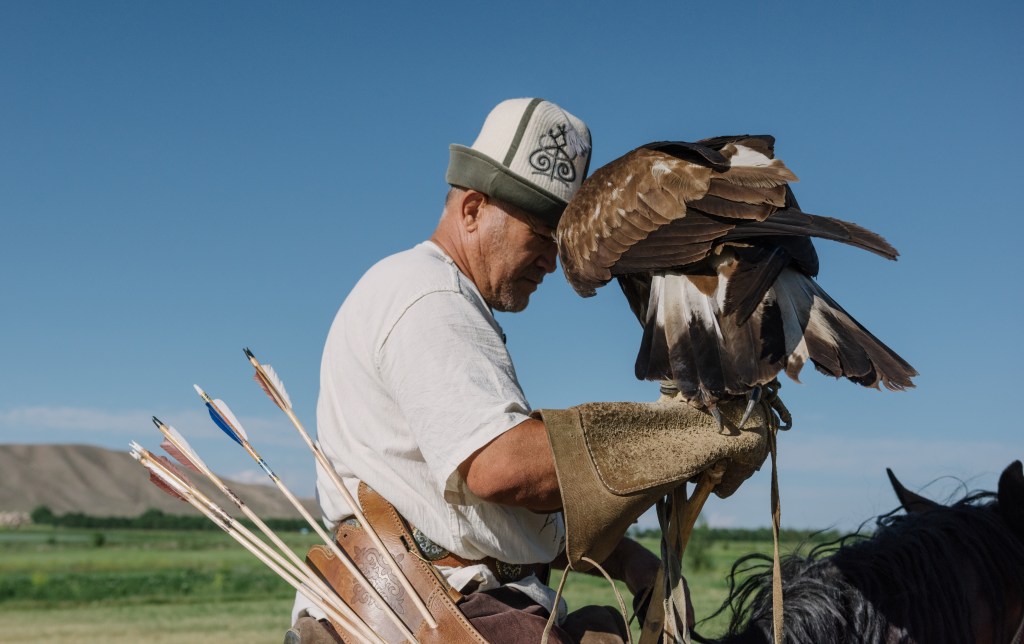
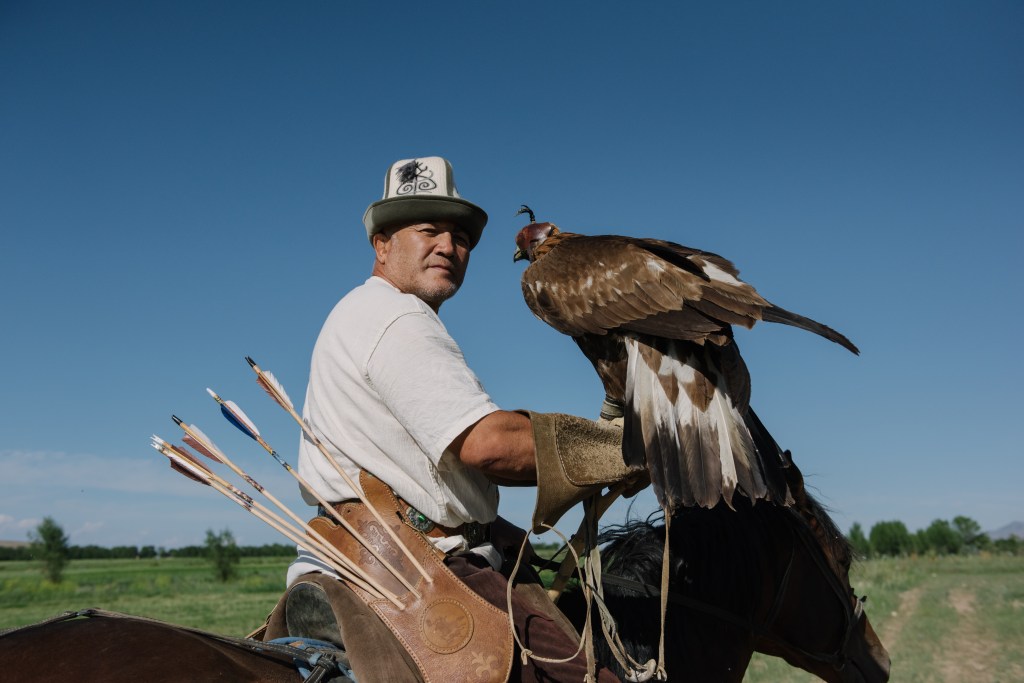


The towns and villages surrounding the lake are also full of photographic opportunities. With Vadim’s guidance, I was able to explore traditional markets, old Soviet-era buildings, and charming Kyrgyz houses with intricate woodcarvings. The mix of old and new architecture in the region provided a unique backdrop for my photos, and I loved being able to capture the essence of the local culture in my images.
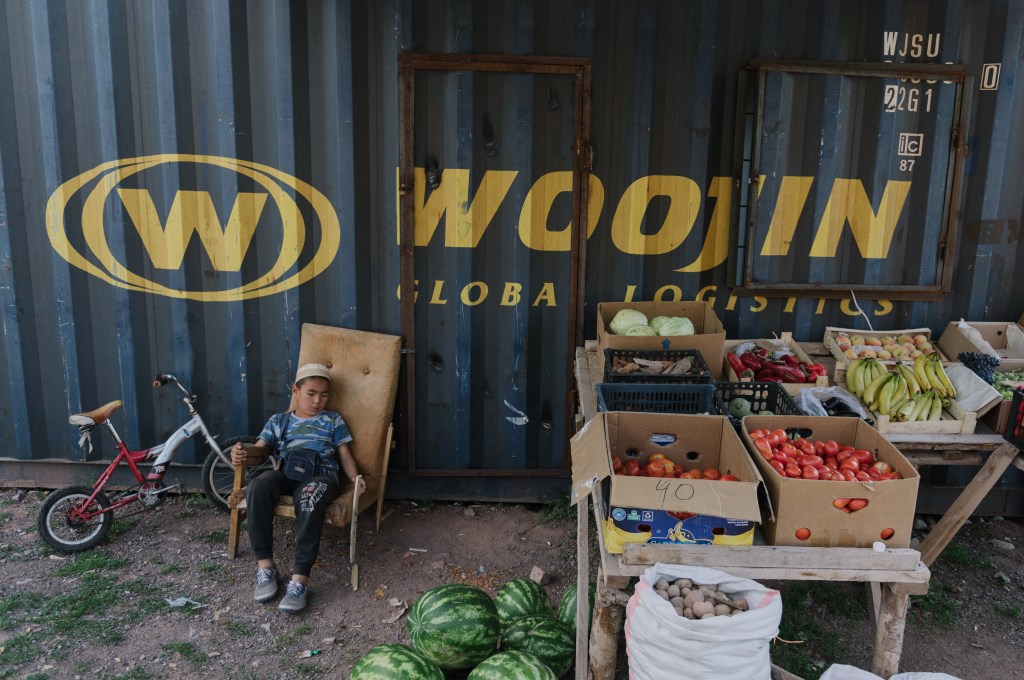

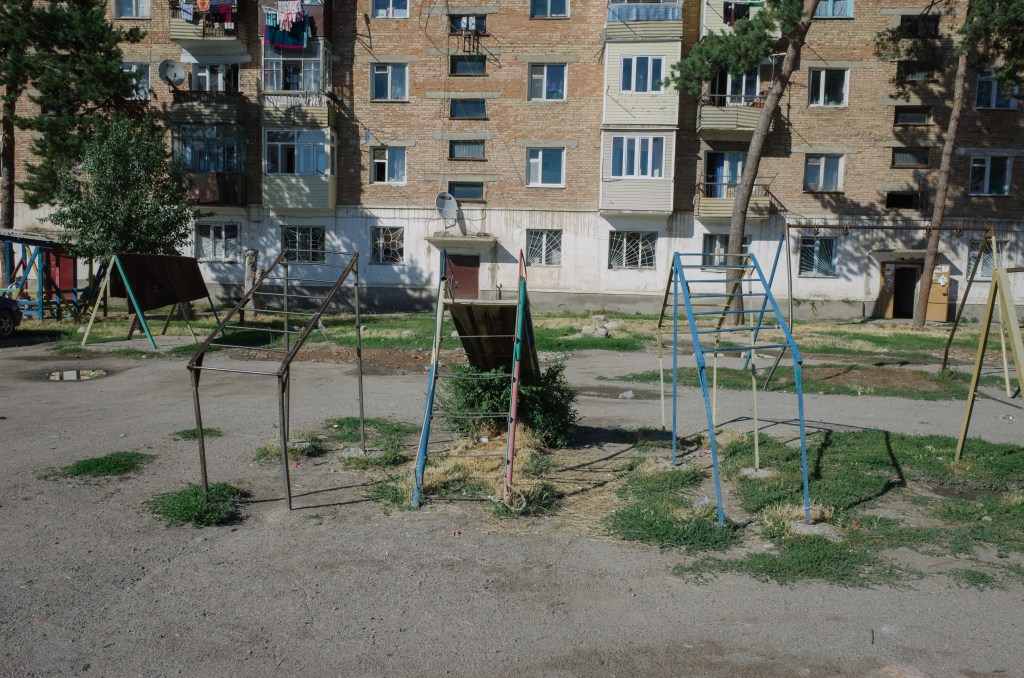


Thanks to Vadim, I was able to connect with Kyrgyz nomads who invited me to have lunch with them. The experience was unforgettable, as I got to witness their traditional way of life and learn more about their customs and beliefs. The warmth and generosity of these kind people left a lasting impression on me.
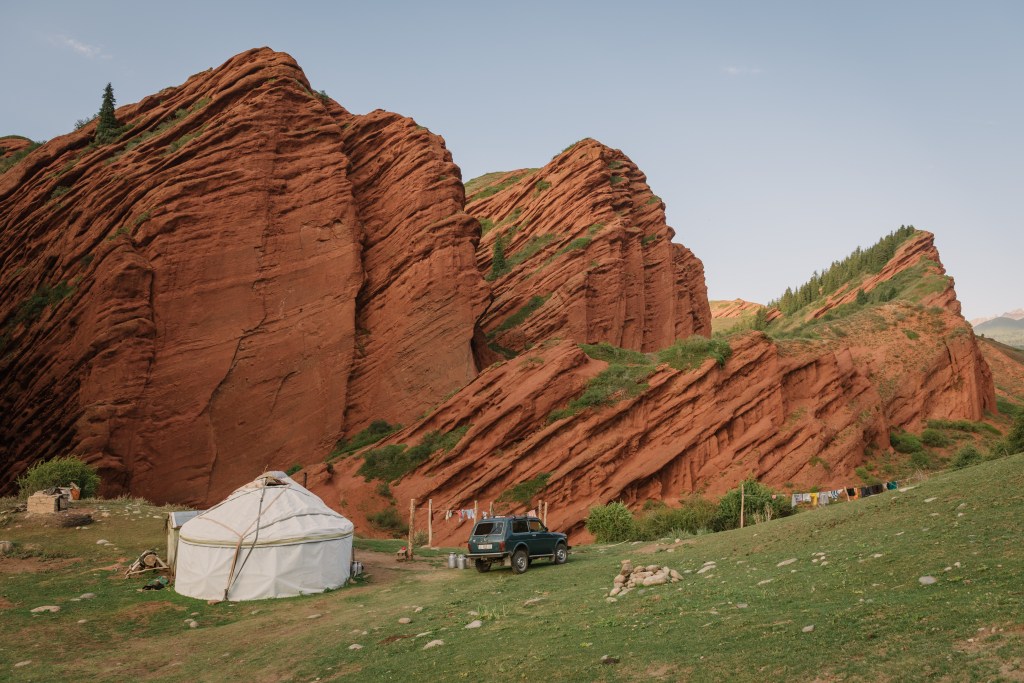

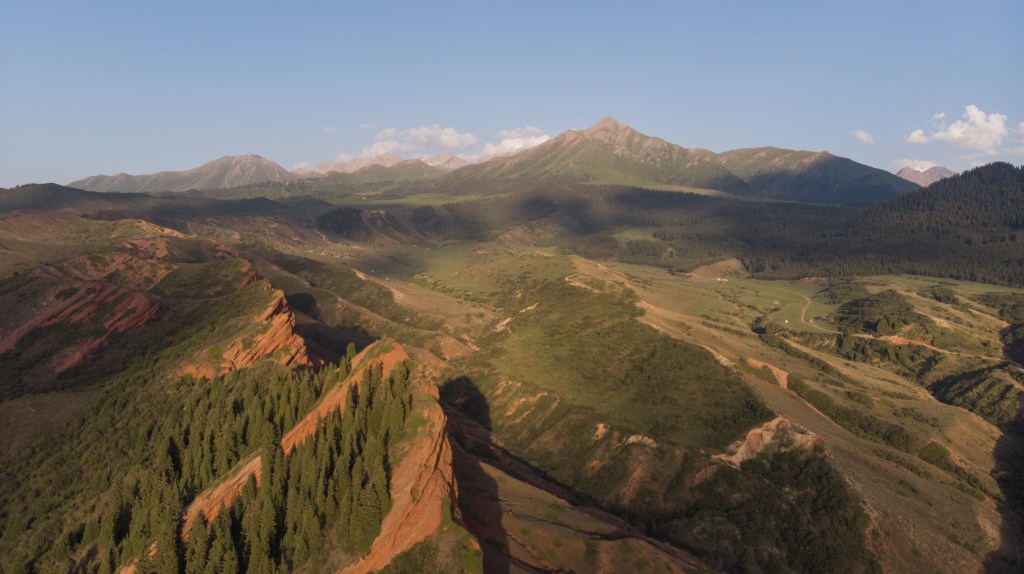
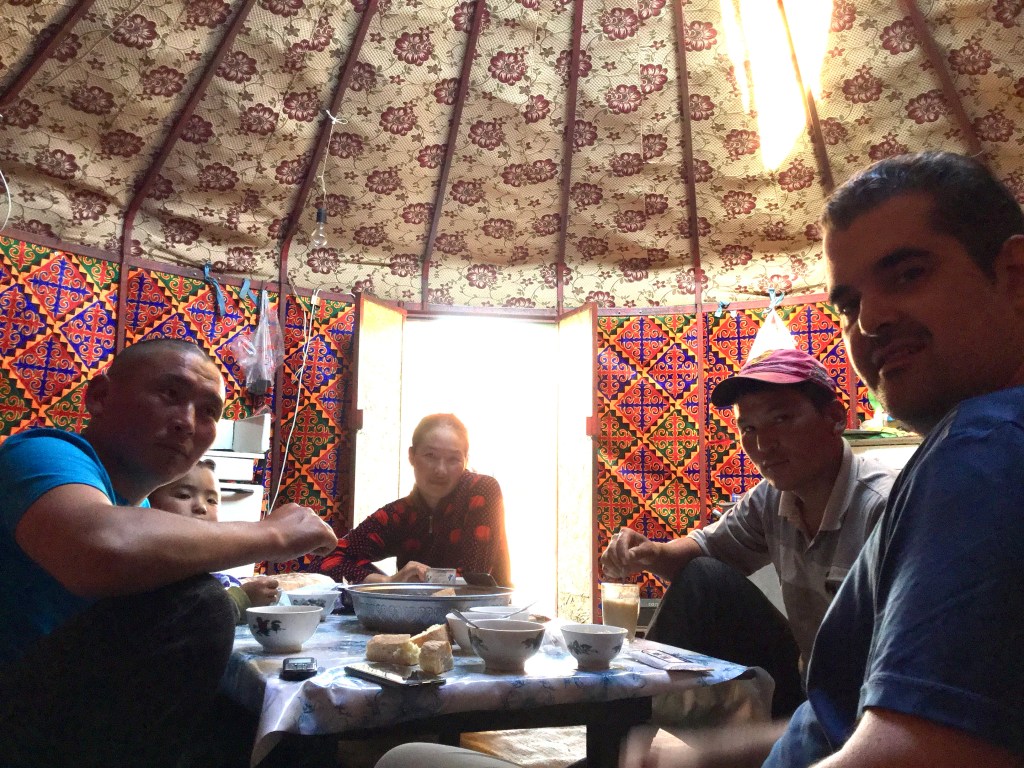
Another highlight of my trip was visiting the Dungan Mosque in Karakol. This impressive mosque was built in the 19th century by Chinese immigrants who had fled their home country due to religious persecution. The mosque is a testament to the ingenuity and resourcefulness of these immigrants, who used traditional Chinese building techniques and materials to construct a mosque that is uniquely Central Asian in style. With Vadim’s guidance, I was able to explore the mosque and learn more about its history and significance.
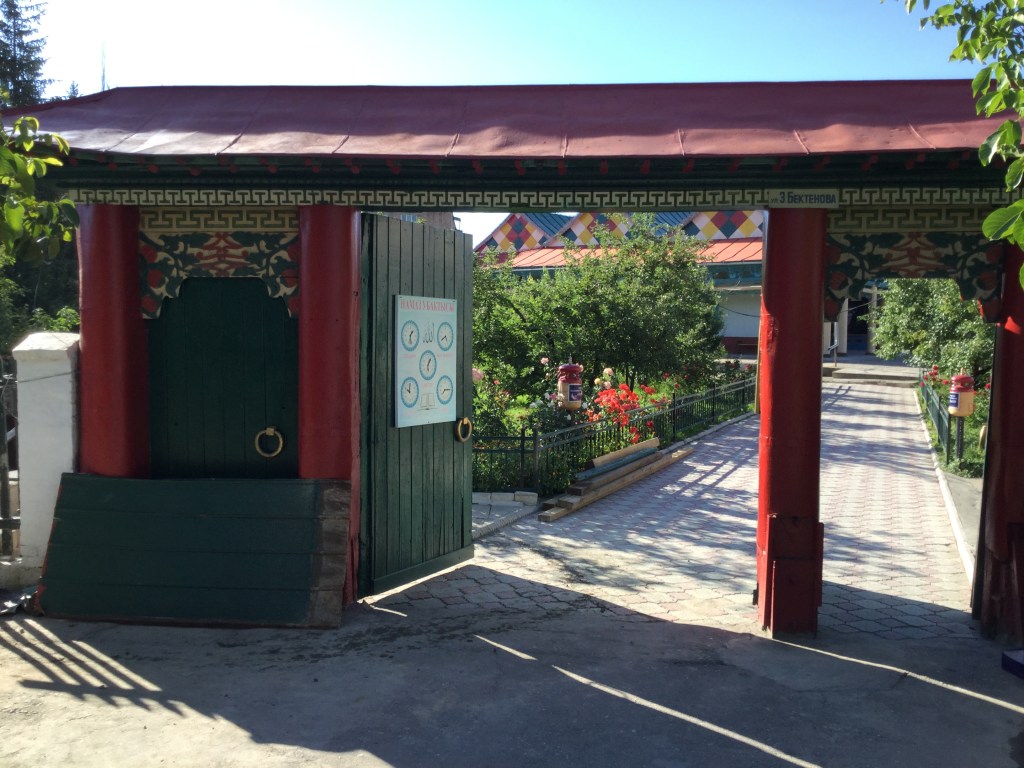
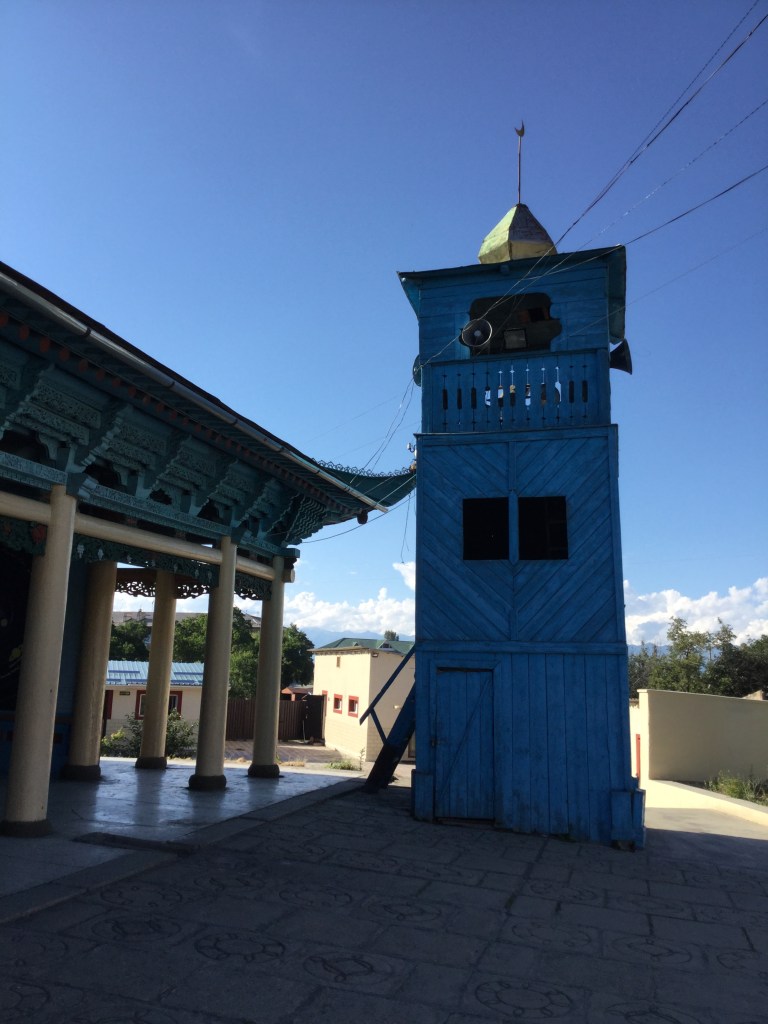
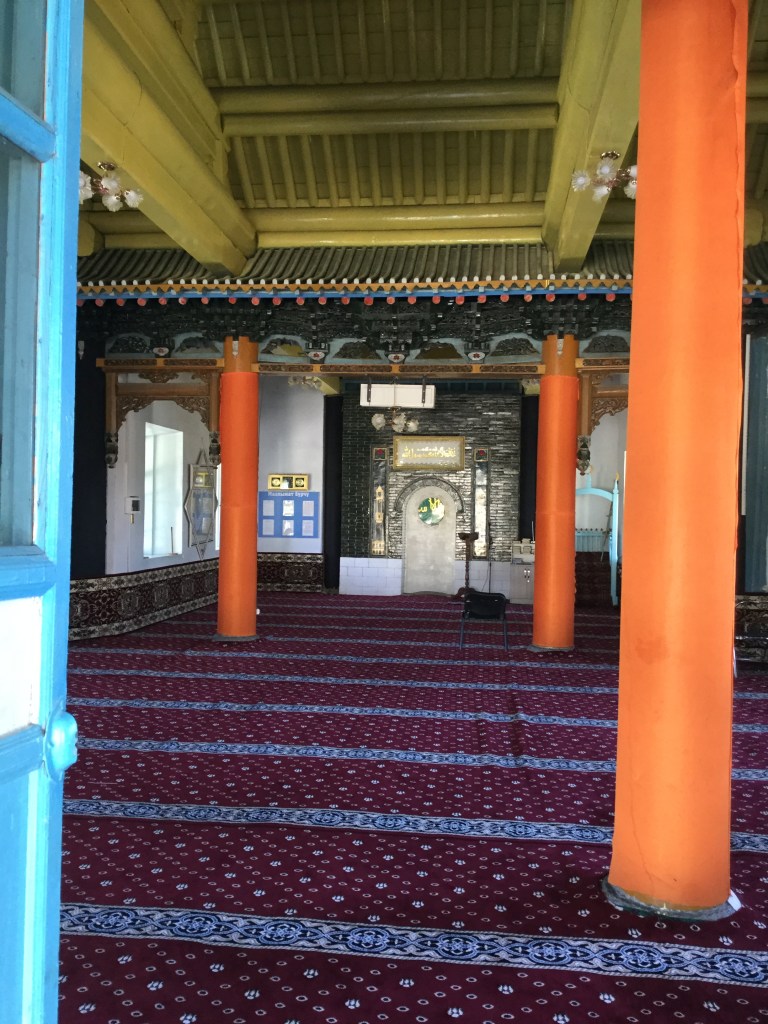

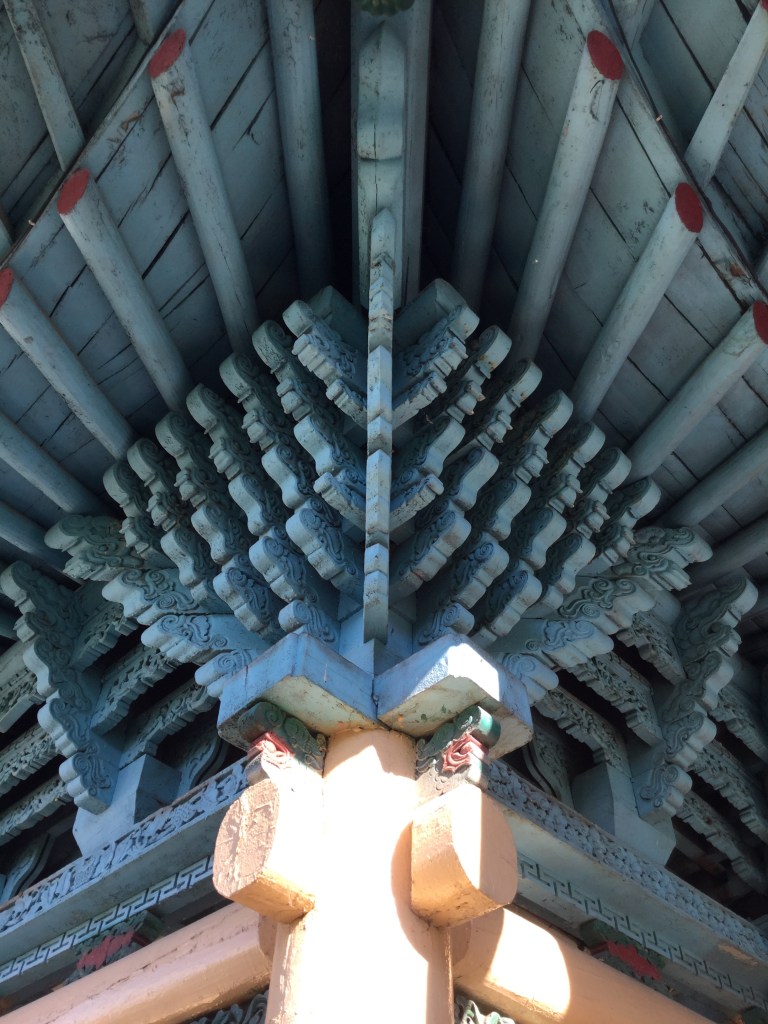
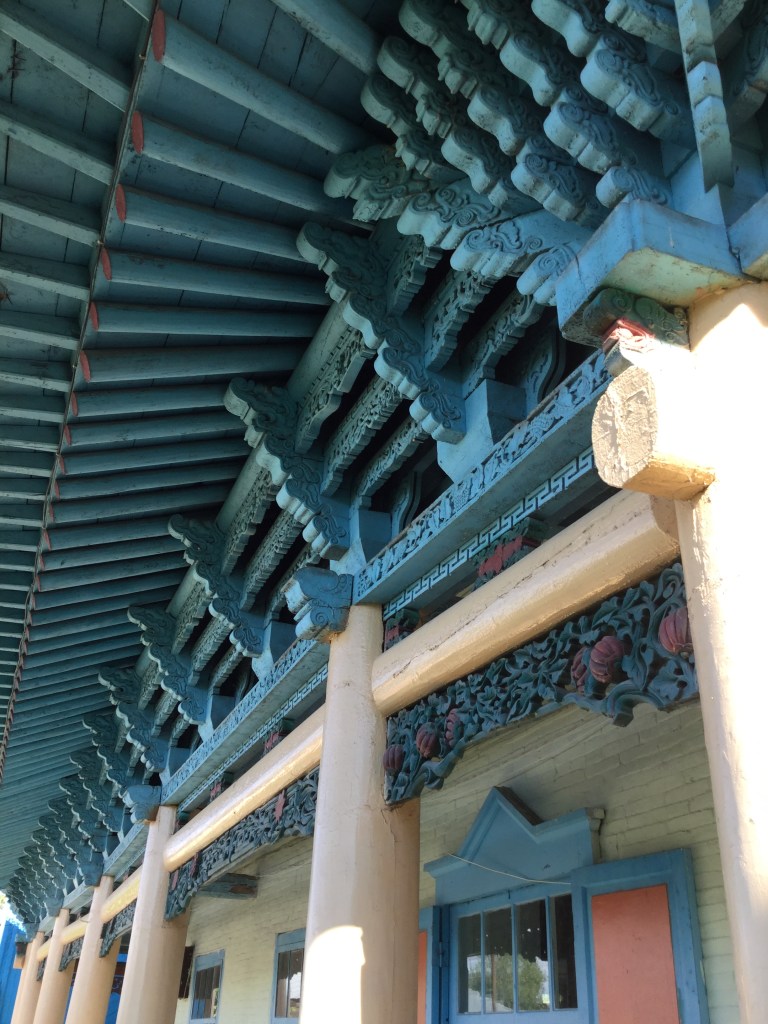


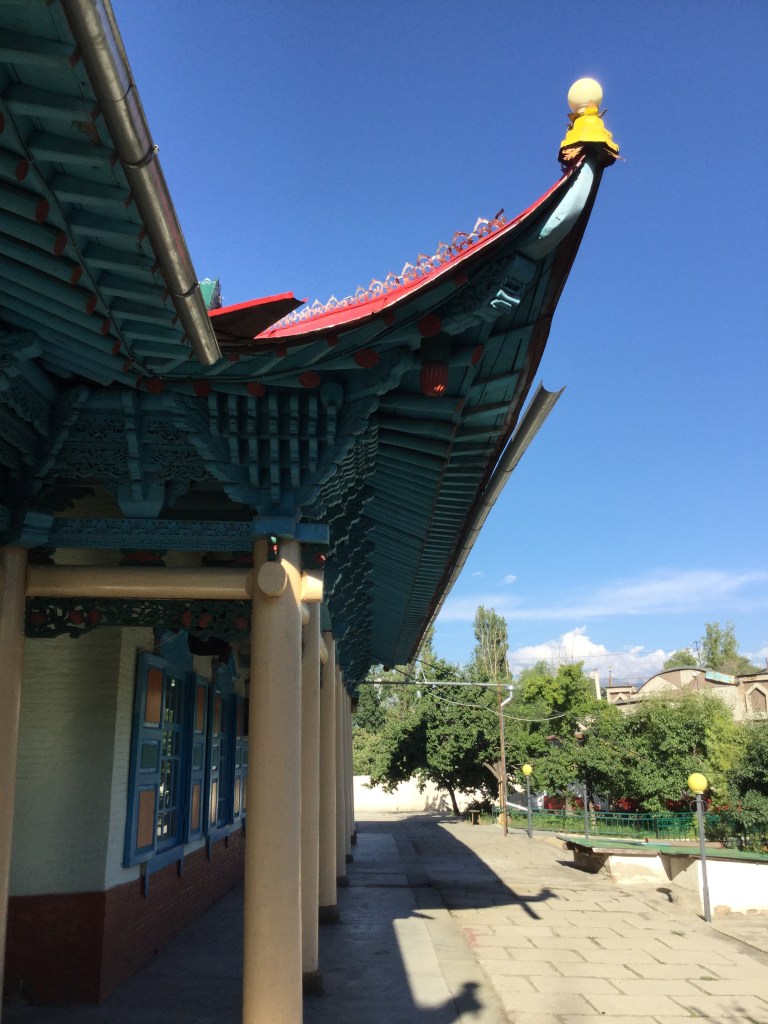
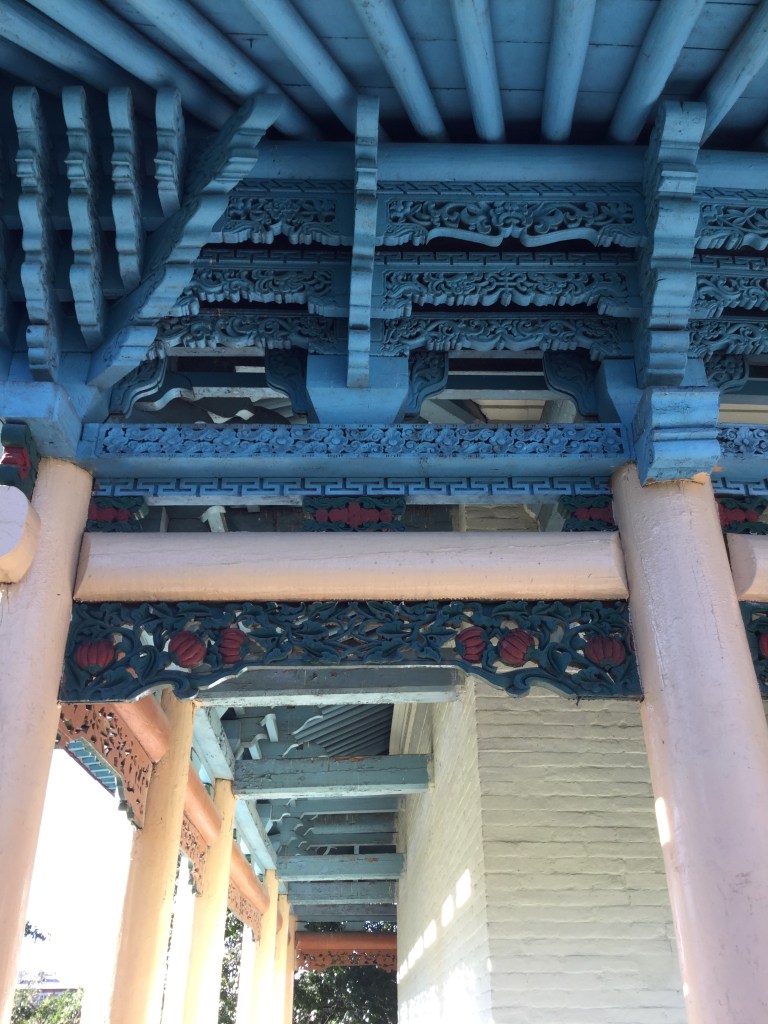


These experiences, along with the breathtaking scenery and unique cultural practices, made my trip to Issyk-Kul lake a truly unforgettable one. It’s a destination that offers something for everyone, from outdoor enthusiasts to culture seekers to photographers. And with the help of a knowledgeable guide like Vadim, you’ll be able to make the most of your time in the region and create memories that will last a lifetime.

Vadim As someone who loves to document my travels, I made sure to record a vlog of my adventure with Vadim.
-
Bishkek from another perspective
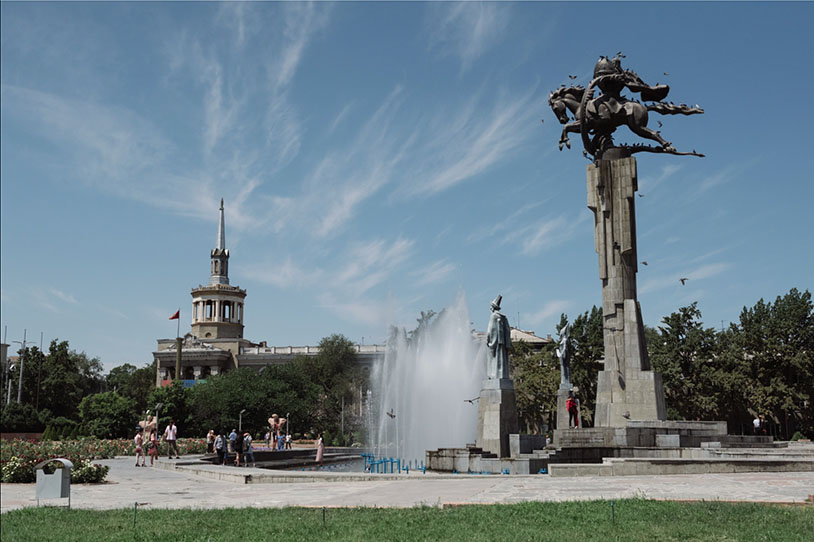
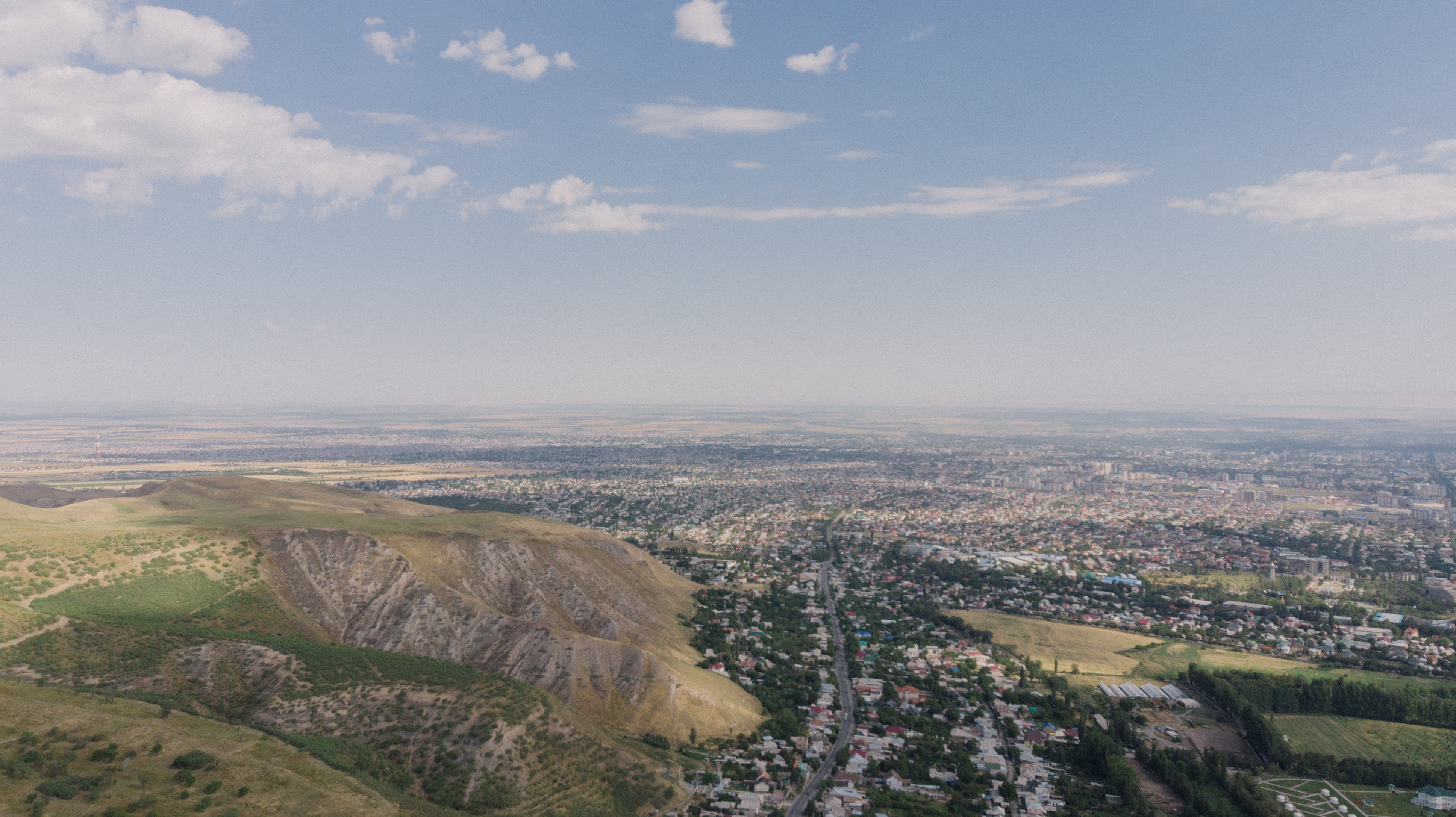
Bishkek, the capital of Kyrgyzstan, is a city that offers a unique blend of Soviet-era architecture and natural beauty. As a photographer, Bishkek is a city that offers endless opportunities to capture striking images.
One of the most striking aspects of Bishkek is its Soviet-era architecture. The city was heavily influenced by Soviet urban planning, and as such, it is full of concrete apartment buildings, wide boulevards, and impressive monuments. These structures provide a fascinating backdrop for photographers looking to capture the city’s unique aesthetic. From the grandiose Lenin statue in the city center to the rows of identical apartment buildings, there is no shortage of interesting subjects to photograph.
In contrast to the Soviet-era architecture, Bishkek is also home to a number of beautiful parks and gardens. These green spaces provide a peaceful escape from the hustle and bustle of the city and offer photographers the chance to capture the natural beauty of Kyrgyzstan. The city’s main park, Ala-Too, is particularly noteworthy for its picturesque lake and towering monument to Independence.
Bishkek’s central market, the Osh bazaar, is another must-see destination for photographers. The market is a vibrant and colorful place, full of people selling everything from fresh produce to handmade textiles. The market’s busy stalls and bustling atmosphere make it a great place to capture candid shots of local life.
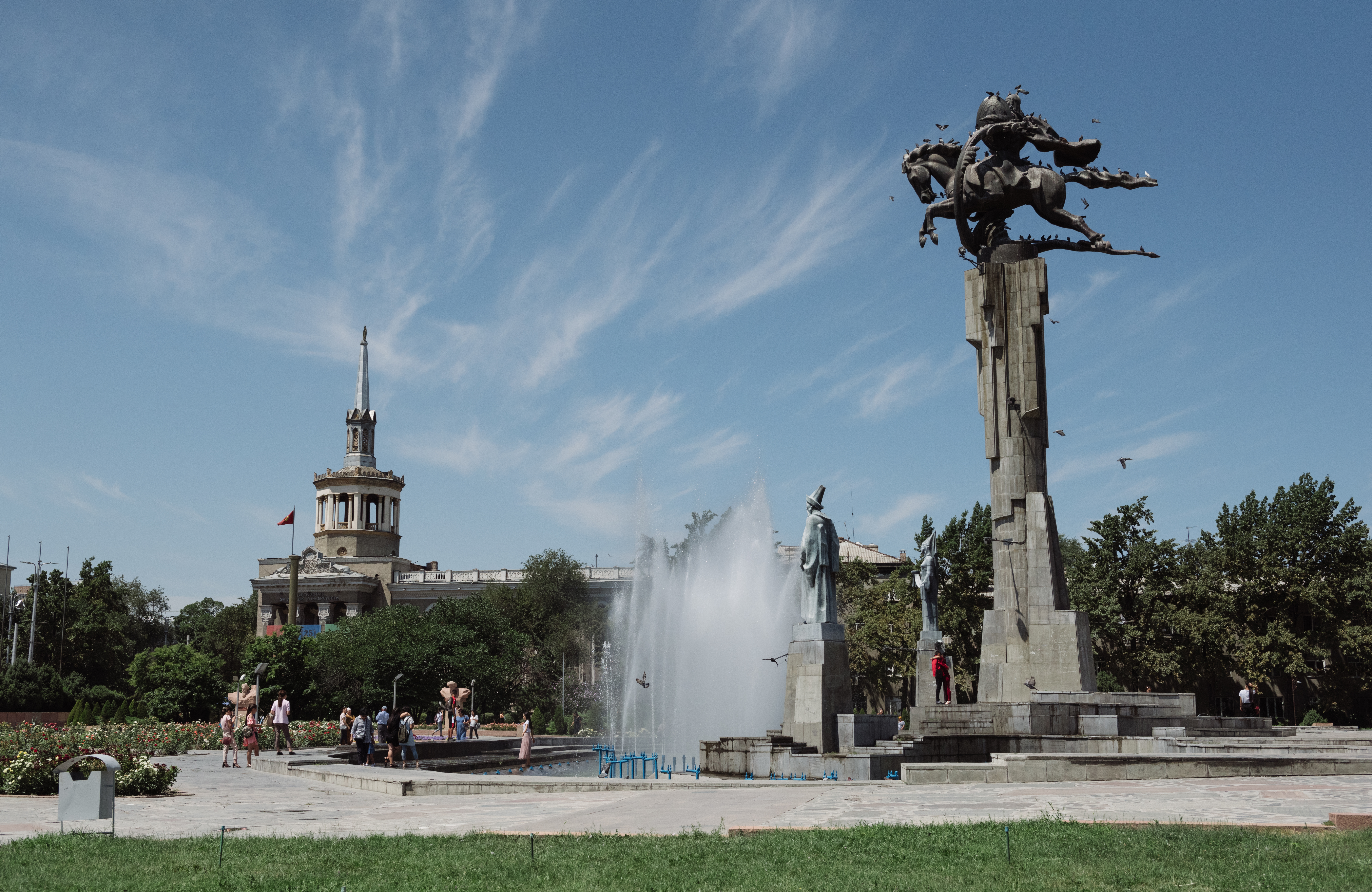
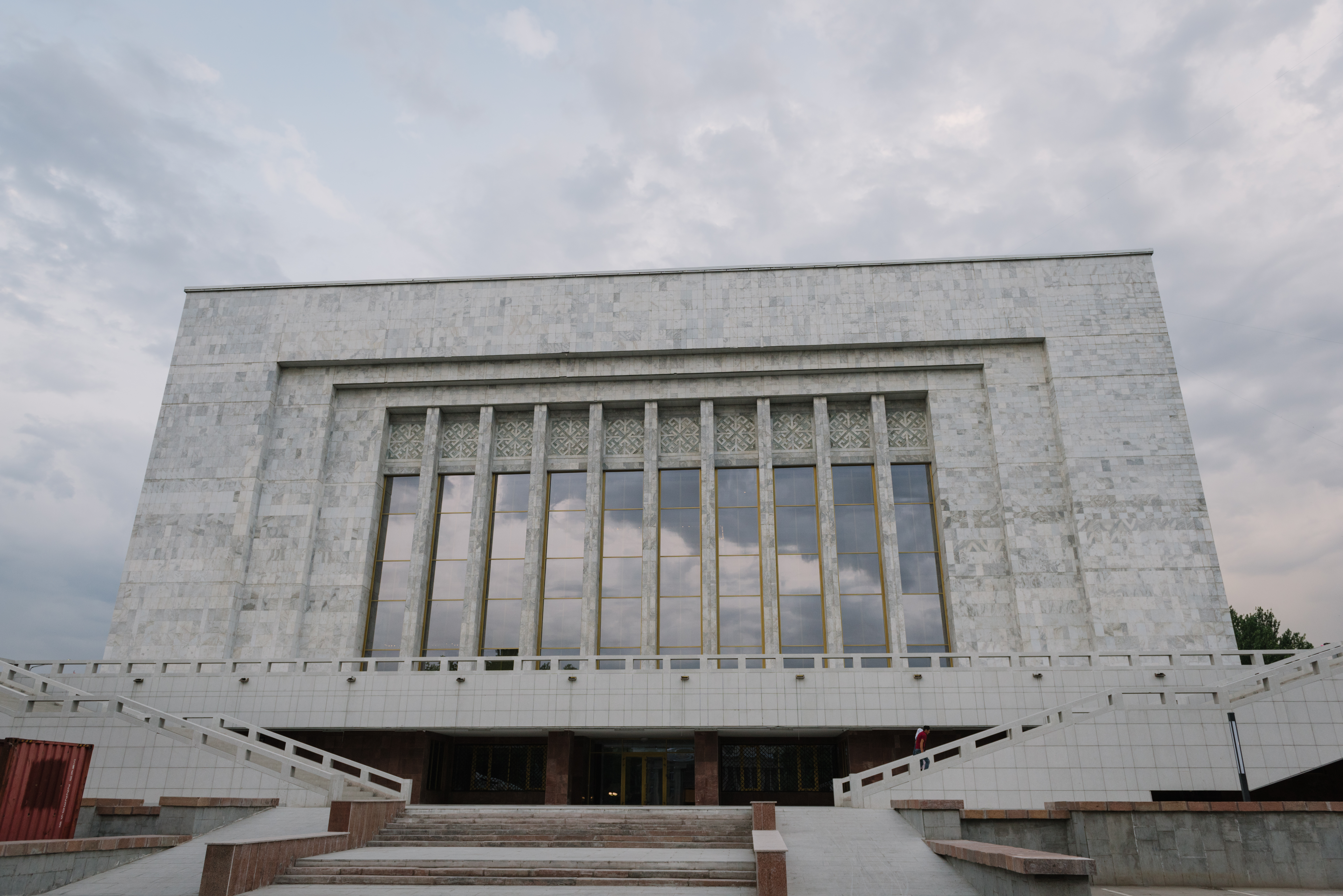
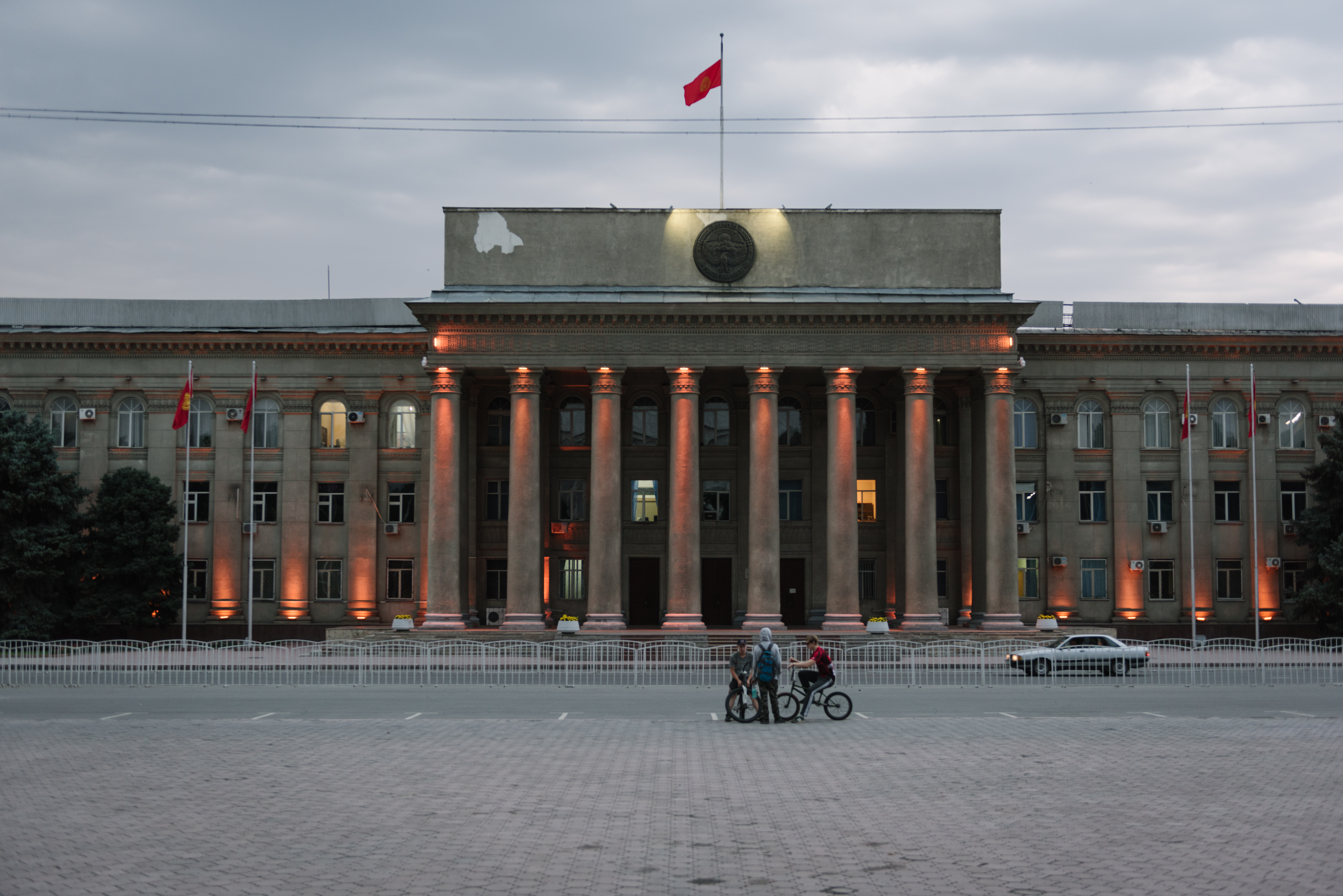
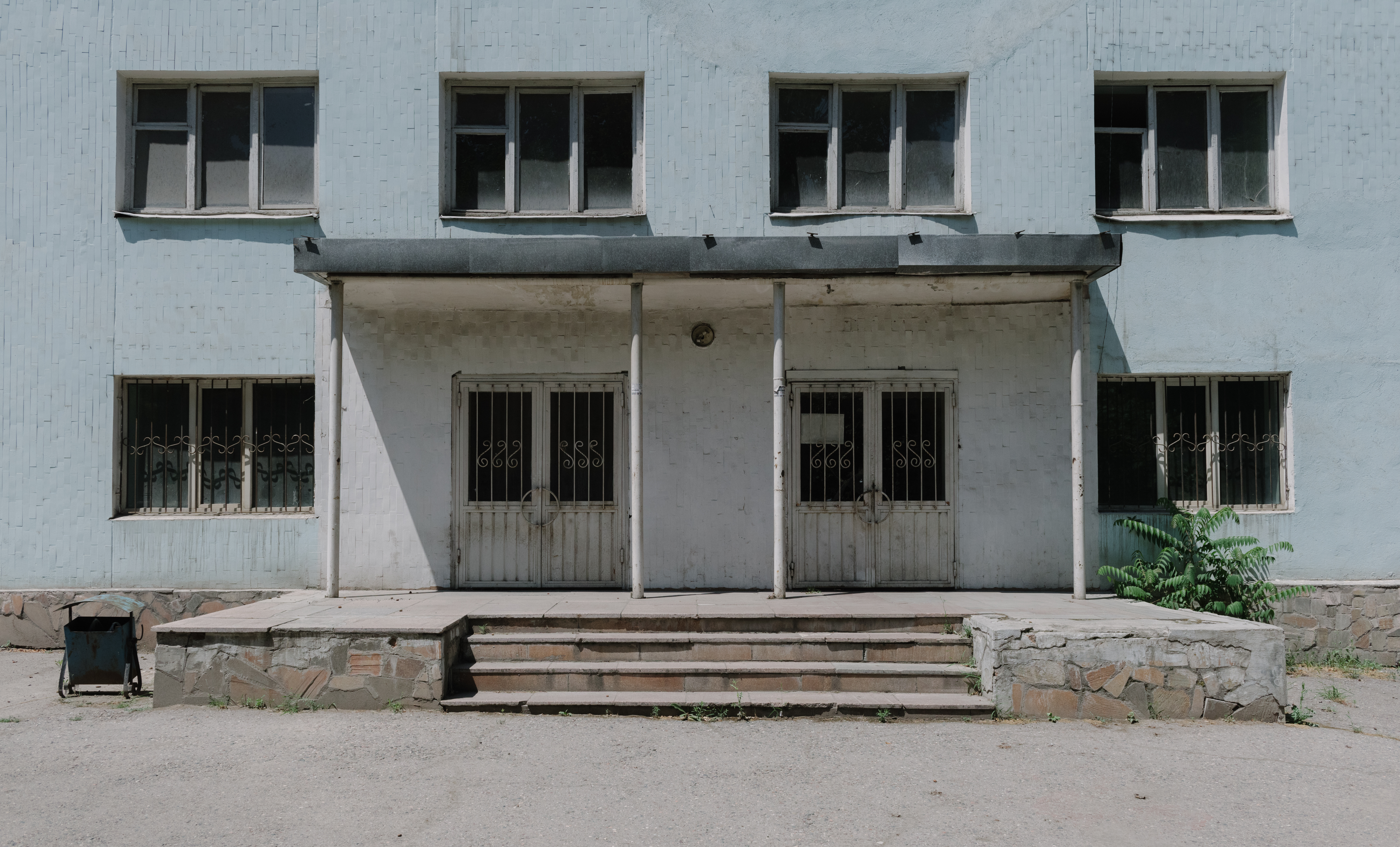
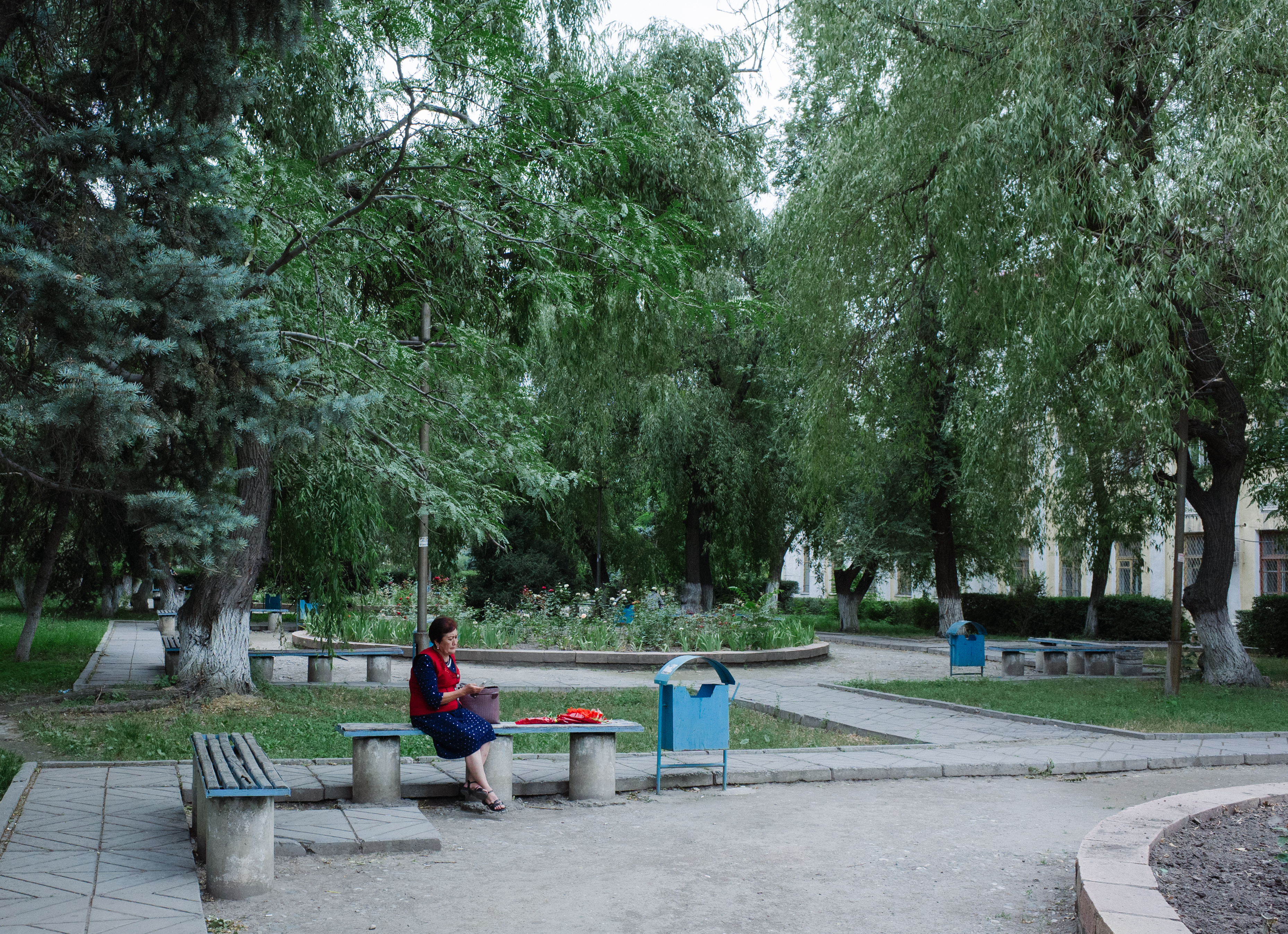
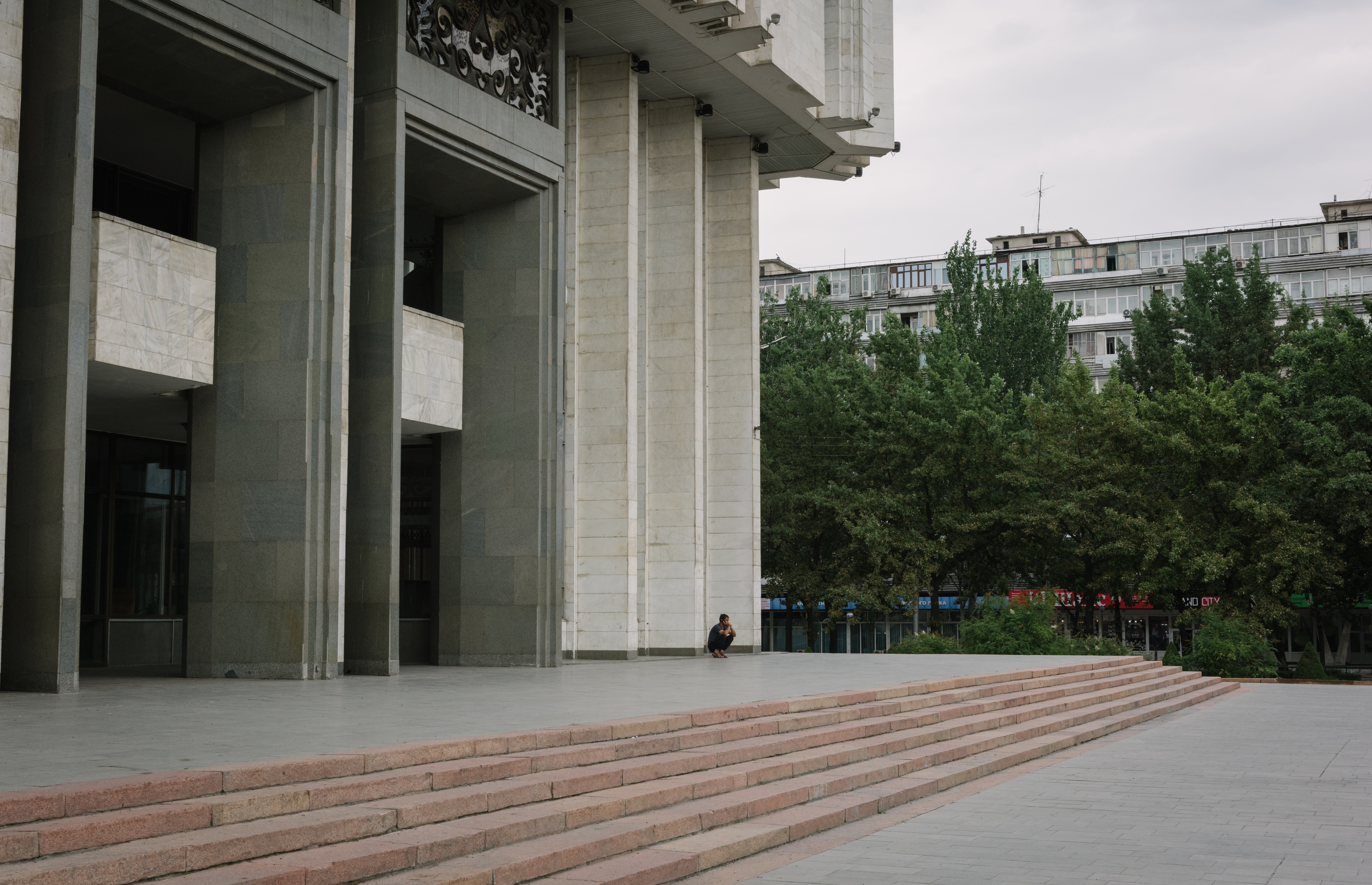
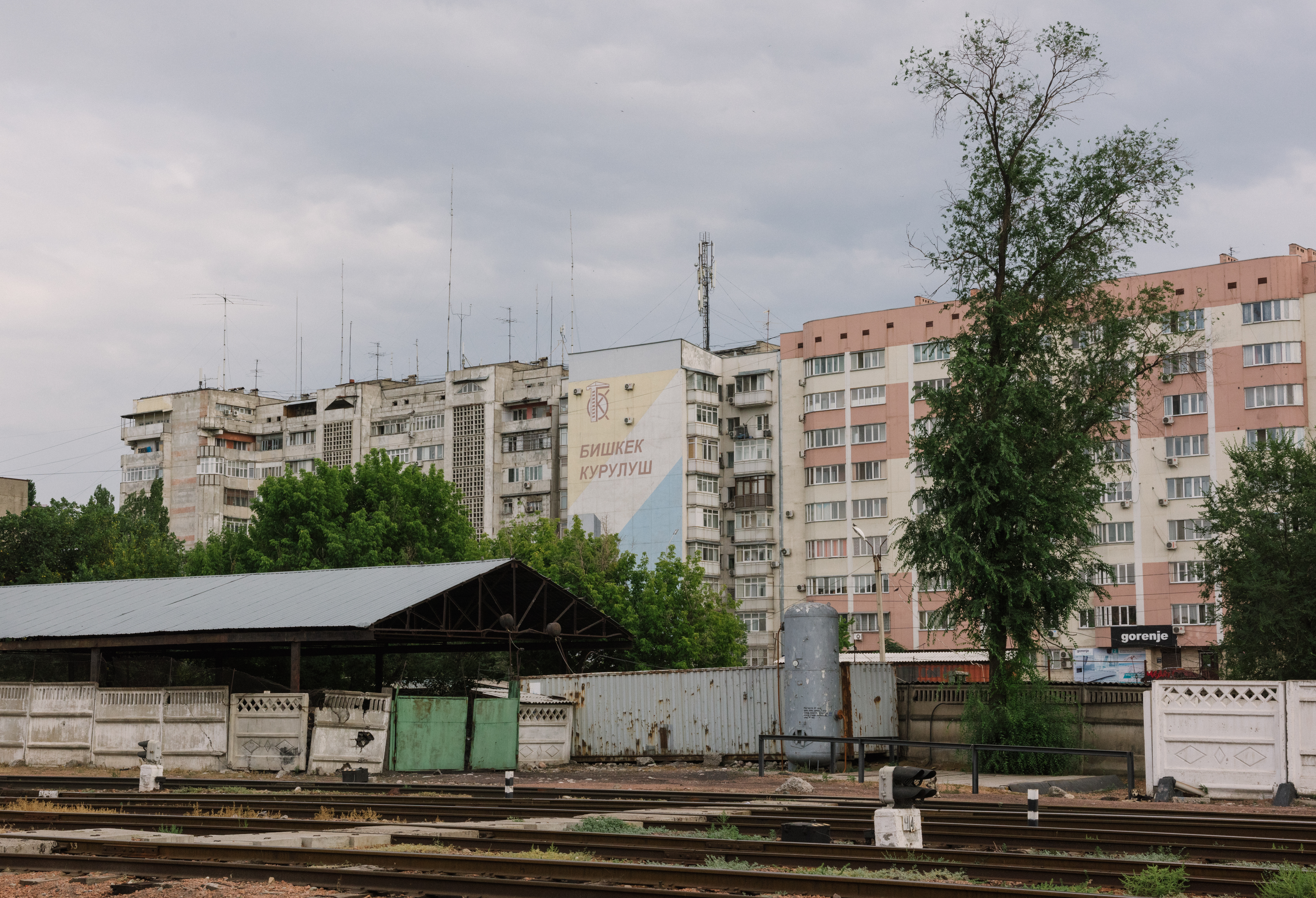
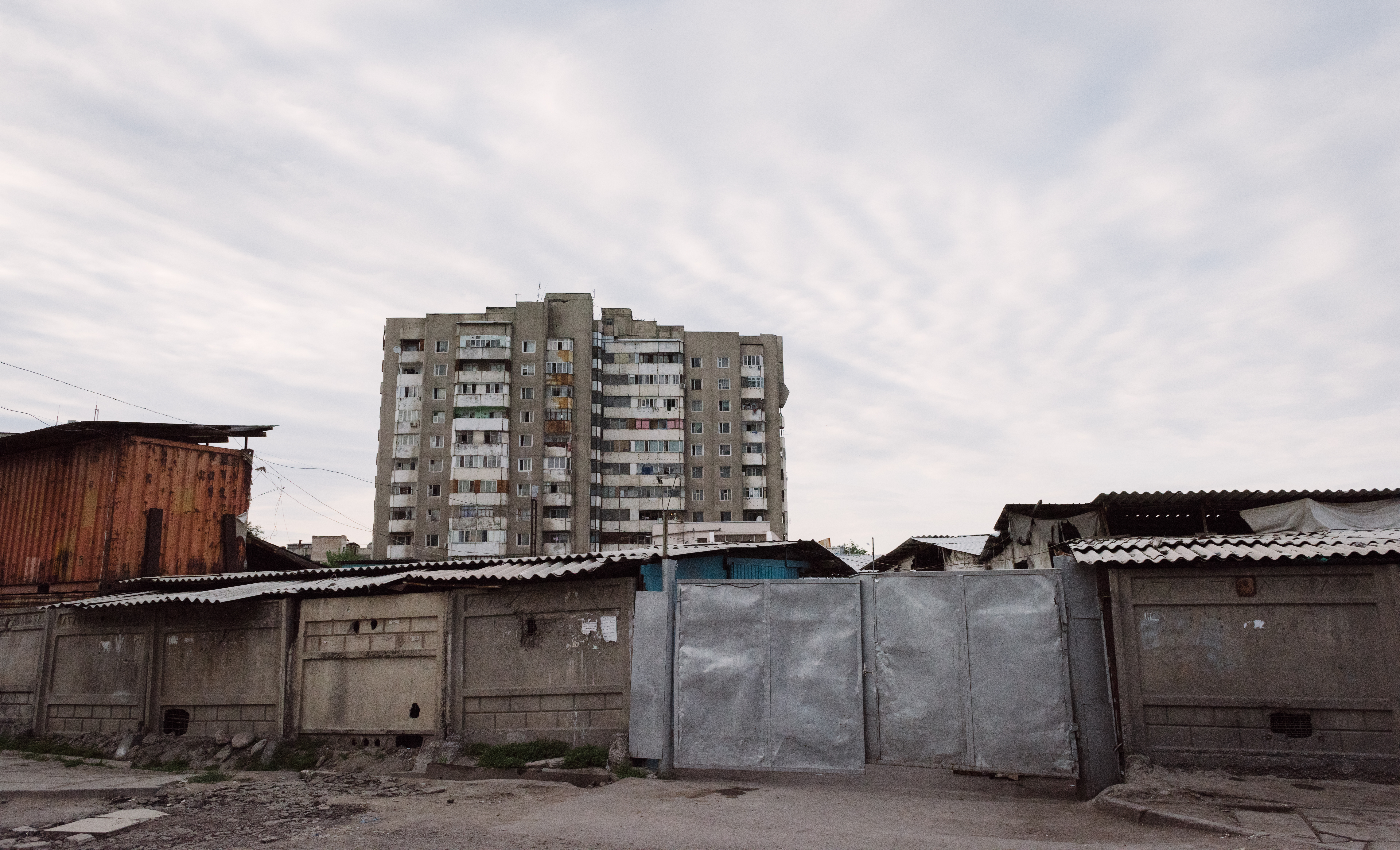
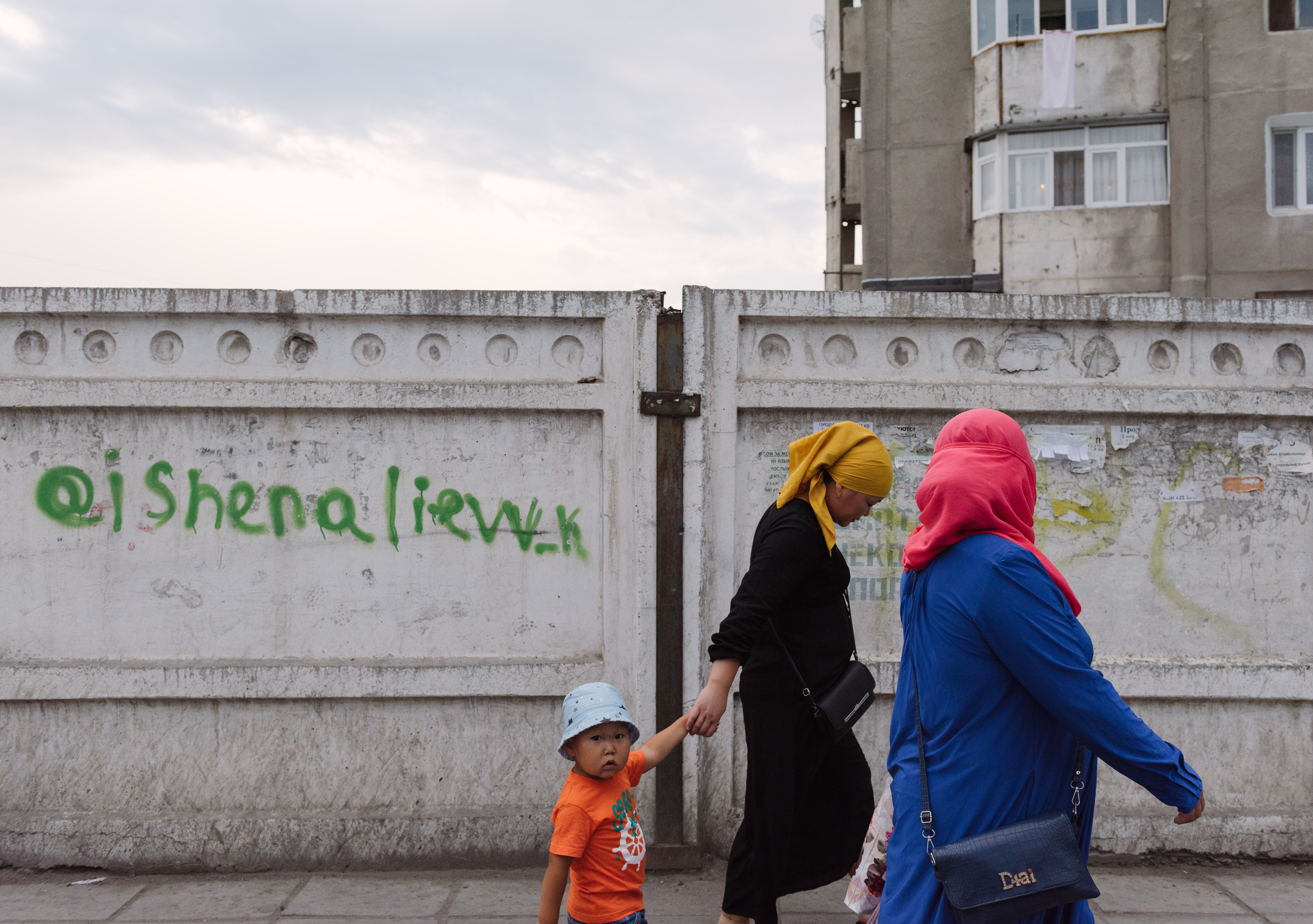
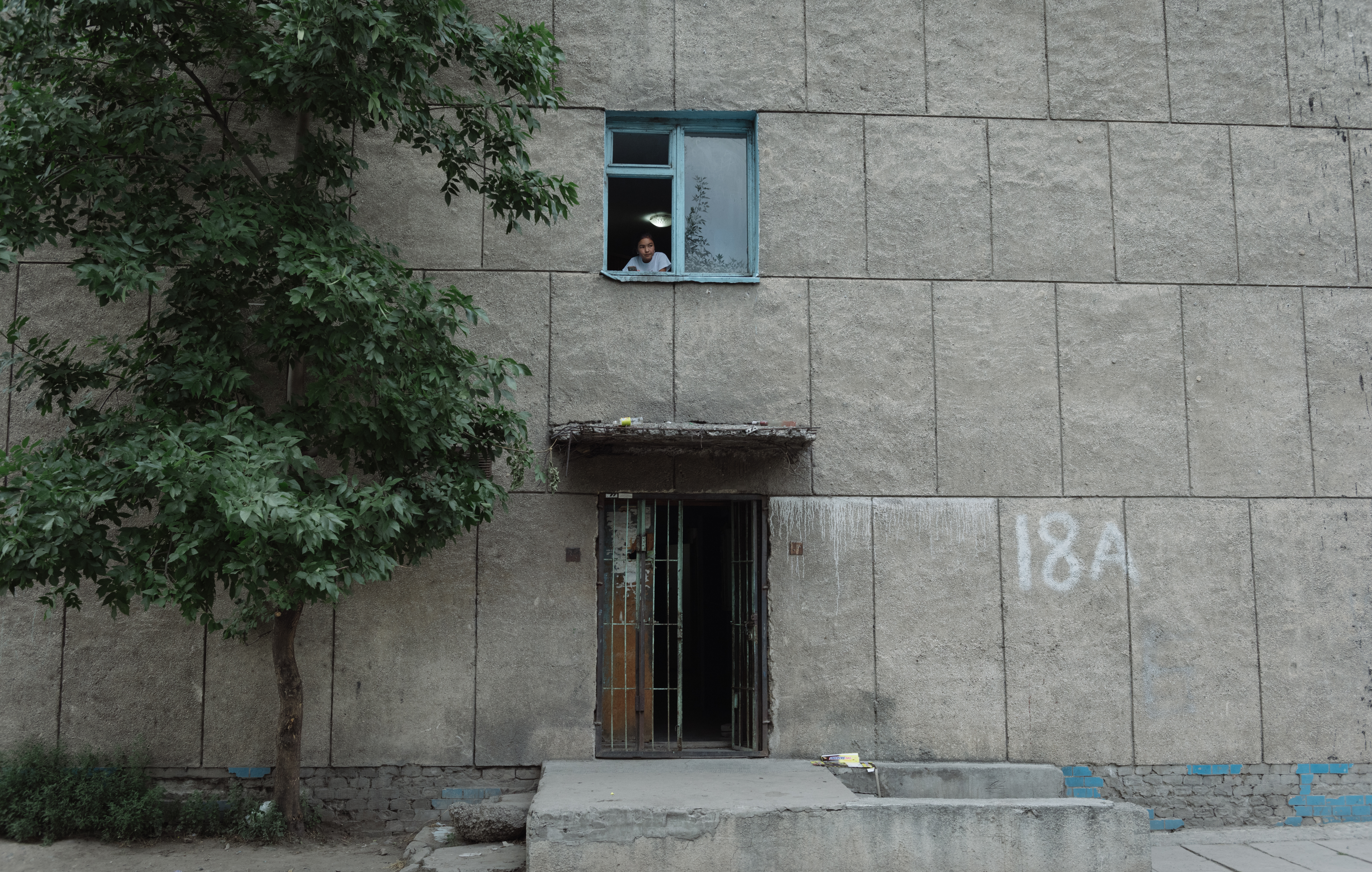
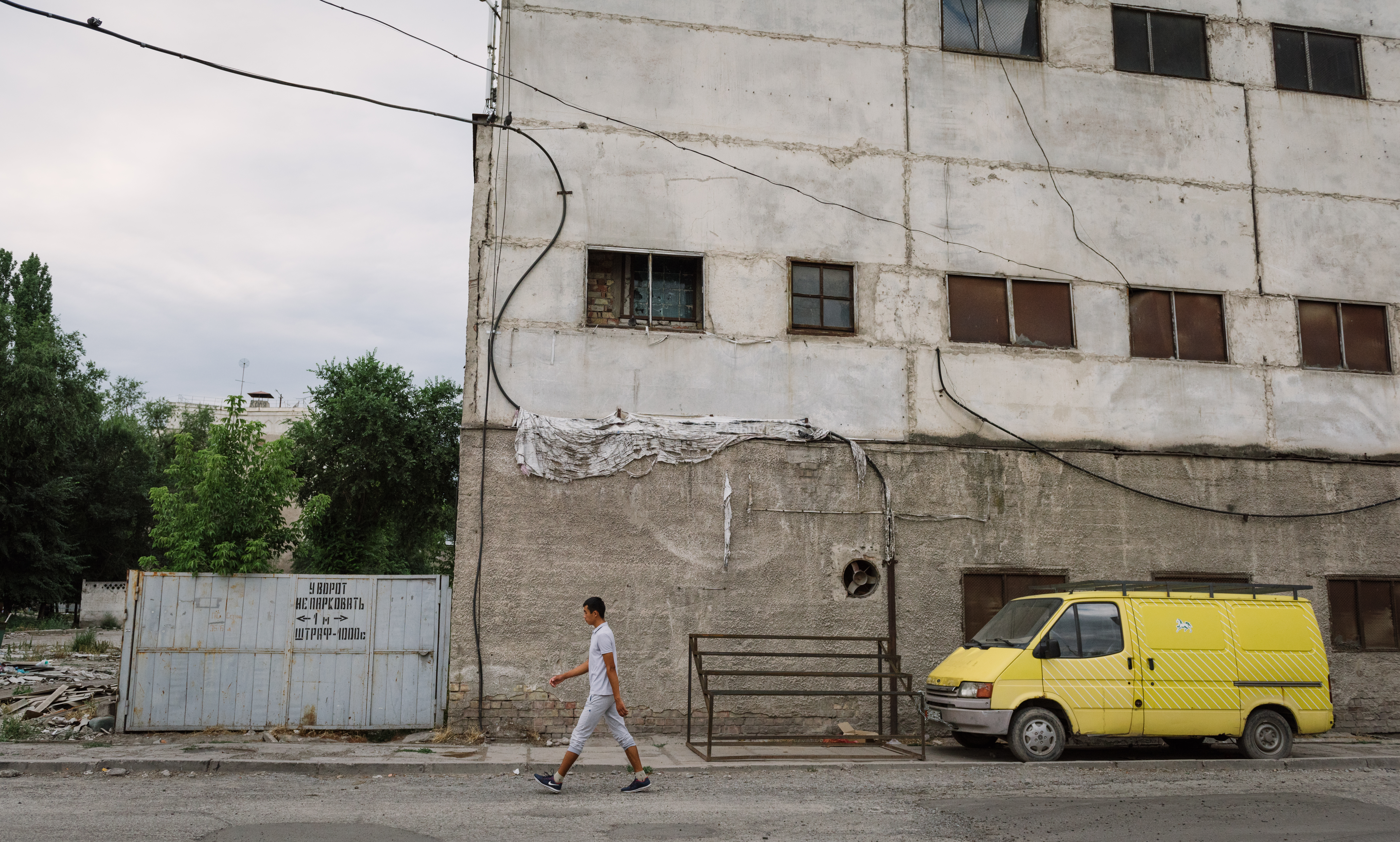
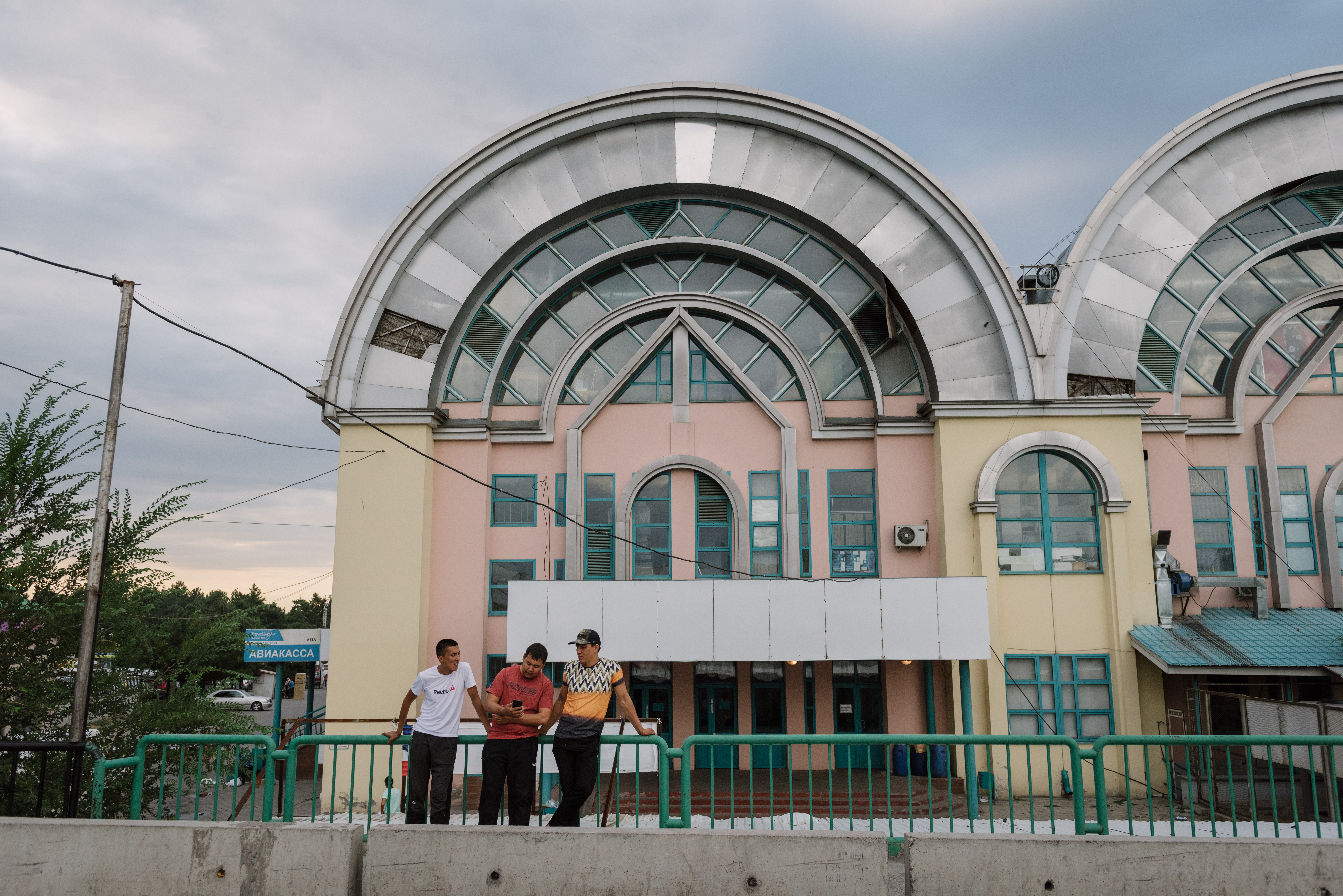
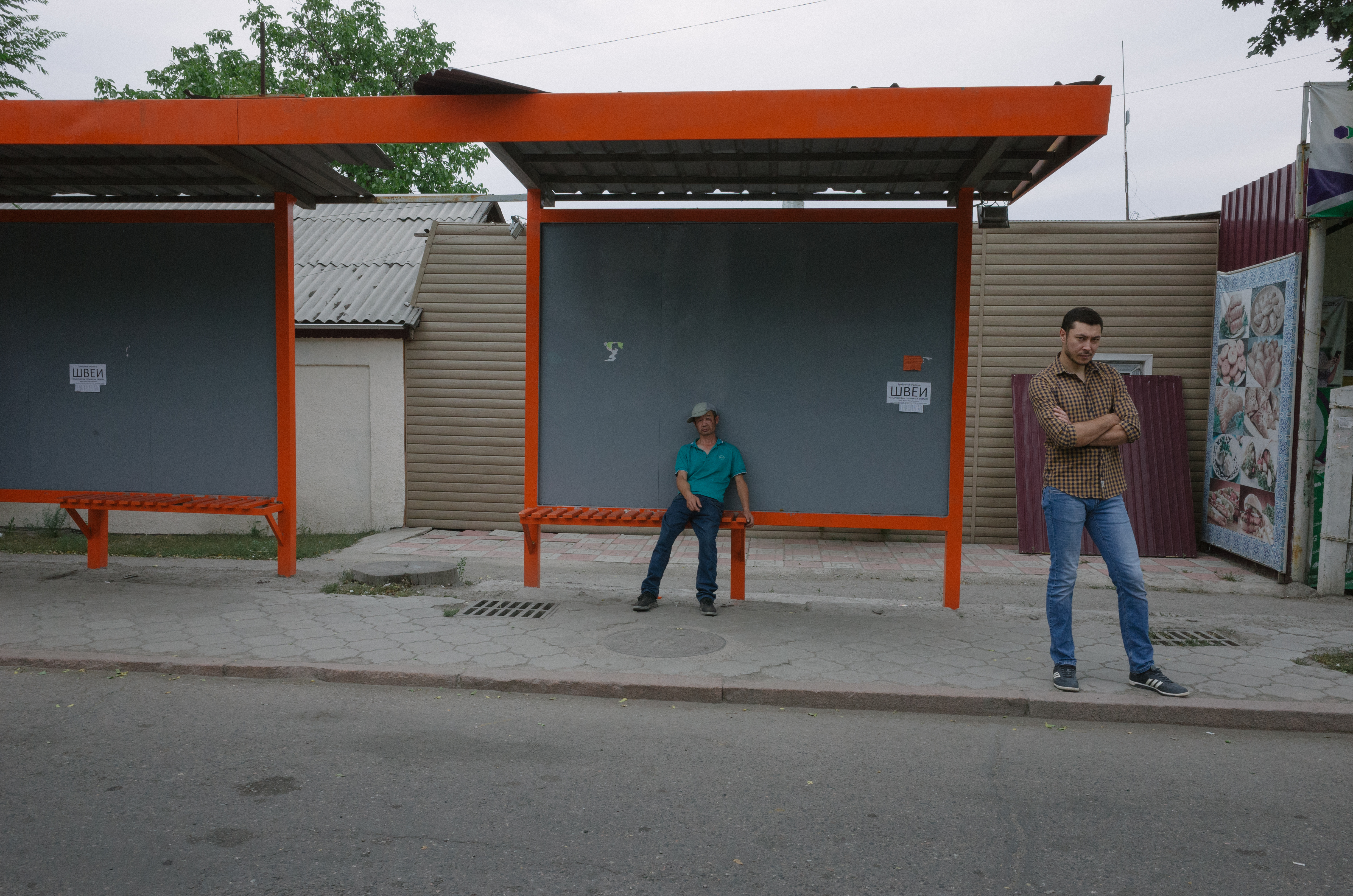
In addition to its architectural and natural beauty, Bishkek is also home to a number of museums and cultural centers that provide a glimpse into the city’s past. The State History Museum, for example, offers a fascinating look at the history of Kyrgyzstan and its Soviet past. Photographers can capture images of traditional costumes, historical artifacts, and other exhibits that provide a window into the country’s rich cultural heritage.
In conclusion, Bishkek is a city that offers a wealth of photographic possibilities. From its Soviet-era architecture to its natural beauty, there is no shortage of interesting subjects to capture. Whether you’re a professional photographer or an amateur with a passion for photography, Bishkek is a city that is sure to inspire your creativity.
-
Welcome to Hudek Photography
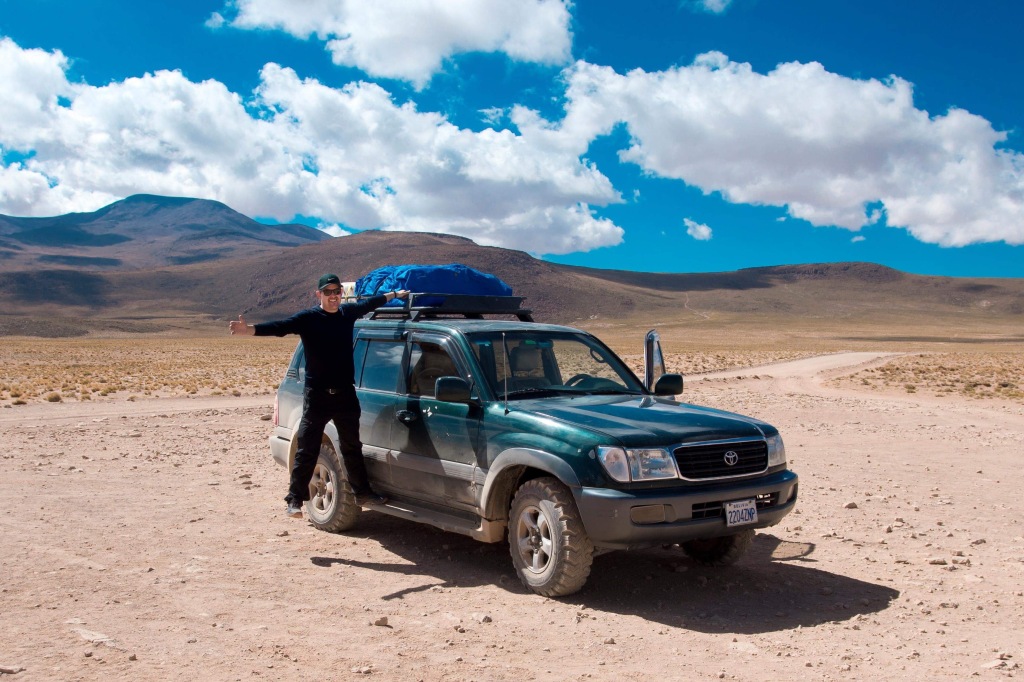
Welcome to my Hudek Photography blog! I am thrilled to bring you along on my journey as I explore the world through the lens of a camera. Photography is a powerful tool for capturing the beauty and diversity of the world around me, and I believe that travel and photography go hand in hand.
This blog is dedicated to the art of travel photography. I will take you on a visual journey to some of the most stunning and awe-inspiring places in the world. From the bustling cities of Europe to the breathtaking landscapes of Asia, I will showcase the best of what the world has to offer. My goal is to inspire you to get out and see the world, and to help you capture the beauty of your travels through your own lens.
I believe that everyone has the potential to be a great travel photographer. Whether you are a seasoned professional or a beginner just starting out, this blog is for you. My posts will include tips and tricks on how to take great travel photos, as well as insights into the art of photography and travel. I will also be sharing my own experiences and stories from the road, as well as showcasing the work of other travel photographers.
In addition to my travel photography, I will also be sharing articles about the best places to visit, the best food to eat, and the best things to do. I believe that travel is about more than just taking photos – it’s about experiencing new cultures, making new friends, and discovering new parts of the world.
So grab your camera and join me on this adventure! I can’t wait to show you the world through my lens.
Yours truly,
Nenad

 Life in Focus: Exploring the Diversity of Cultures Through the lens